





Pediatrics
Latest News
Advertisement
Latest Videos






Shorts

1:00
New Difamilast Ointment for Atopic Dermatitis
6 months ago
by
Saro Arakelians, PharmD

1:08
Why Children Suffer from Chronic Cough
7 months ago
by
Meera Gupta, MD, FAAAAI(+1 more)

0:32
Clinicians Face Challenges Amid Shifts in Immunization Guidance
8 months ago
by
Lora Sparkman, MSN, RN(+1 more)
0:32
Has Science-Based Guidance Changed at the Federal Level?
8 months ago
by
Lora Sparkman, MSN, RN(+1 more)

1:11
Why Denmark Does Not Recommend Universal Hepatitis B Vaccination for Infants
9 months ago
by
Morgan McSweeney, PhD(+1 more)
1:04
The Devastating Long-Term Effects of the Changing Hepatitis B Vaccine Recommendations
10 months ago
by
Morgan McSweeney, PhD(+1 more)
1:09
The Surprising Reason the Hepatitis B Vaccine Works Immediately After Birth
10 months ago
by
Morgan McSweeney, PhD(+1 more)
Podcasts

CME Content




















































































Advertisement
More News

Titilola M. Afolabi discusses how gaps in pediatric-specific evidence shaped her path into research and highlights the interdisciplinary studies that have defined her career.

Zilganersen, an antisense oligonucleotide targeting glial fibrillary acidic protein, is cleared for pediatric and adult patients across all ages.

Pediatric and obstetric groups expand high-risk criteria and extend vaccination windows as federal vaccine guidance remains unsettled.

A subsequent dispute between state and federal officials over the deaths' classification has thrust the state into the center of a national vaccine policy fight.

The approval makes ustekinumab the first non-TNF-alpha monoclonal antibody available for both major forms of pediatric inflammatory bowel disease (IBD).

Its targeted PDE4 mechanism, favorable safety profile, and supportive pediatric data make it a meaningful long-term treatment addition.

Genglycos wins accelerated approval to cut daily cornstarch reliance in patients aged 8 and older with the rare metabolic disorder.

As case counts rise in the current outbreak, pharmacists must be prepared to counsel patients regarding management, including pediatric patients who require unique considerations.
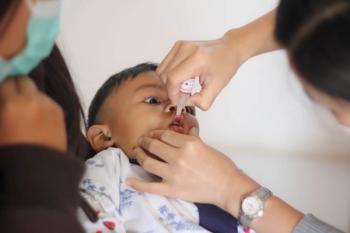
Findings published in Lancet Child & Adolescent Health arrive as a new US executive order shifts rotavirus vaccination to shared clinical decision-making.

Adding family-based behavioral treatment to standard care nearly doubled clinically meaningful weight loss in kids in the TEAM UP trial.
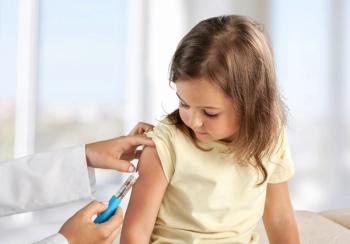
The findings point to persistent vaccine hesitancy and access gaps in the years since the COVID-19 pandemic, with authors calling for stronger clinician recommendations and school-based vaccination sites.

A study finds low-income and minority families are likely among those experiencing consequences from reduced measles, mumps, rubella, and varicella (MMRV) vaccine uptake amid the worst surge in US measles cases in decades.
The FDA expanded Wilate's approval for routine prophylaxis to reduce bleeding episodes in children younger than 6 years with von Willebrand disease, supported by phase 3 WIL-33 data showing low annualized bleeding rates and favorable tolerability.
The FDA clears roflumilast, a PDE4 inhibitor, for once-daily steroid-free plaque psoriasis care in kids ages 2+.

FDA Approves Risankizumab for Pediatric Plaque Psoriasis, Psoriatic Arthritis
Published: | Updated:
The approval adds a 55-mg prefilled syringe for weight-based dosing and makes risankizumab the first IL-23 inhibitor cleared for pediatric patients weighing less than 40 kg.
The new indication is for patients aged 12 and older with unresectable or metastatic SS who received prior chemotherapy and are positive for various genetic subtypes.
With this approval, Capvaxive is the only PCV specifically indicated and studied in the US for use in this patient population.

A new Lancet study provides the first plausible evidence that a national package of food labeling, marketing restrictions, and school food policies can reduce excess weight among young children.
The integrated CGM is now indicated for individuals 2 years and older who do not use insulin.

What began as a modest survey has grown into one of the most trusted barometers of frontline pharmaceutical expertise in the country.

Afrezza is the only ultra rapid-acting inhaled insulin approved by the FDA to improve glycemic control in children, adolescent, and adult patients with diabetes.
FDA approves benralizumab for hypereosinophilic syndrome, driven by NATRON phase 3 clinical trial data showing fewer flares and improved fatigue.

Newborn vitamin K shot refusals rise, boosting bleeding risk; learn neonatal safety facts and how the vitamin K shot prevents deadly VKDB.
This approval marks the first high-efficacy B-cell depletion therapy approved for pediatric patients 10 years and older.

A new study describes the high symptom burden carried by pediatric long COVID patients and highlights integrative medicine's role in their care.
Advertisement
Advertisement
Trending on Pharmacy Times
1
Semaglutide Normalized Liver Fat in Most Adults With Obesity
2
Reframing Statins and Brain Health Around Stroke Prevention
3
mRNA Reenters the Mainstream
4
Phase 3 Trial Finds Adding Monoclonal Antibody to mRNA Vaccine Improves COVID-19 Immunization Tolerability
5