





Pediatrics
Latest News
Advertisement
Latest Videos







Advertisement
More News

The treatment's approval was supported by positive evidence from the phase 1/2 CHORD clinical trial.

New Yale University research offers reassurance for pregnant patients and their clinicians, although evidence of lasting structural damage remains a concern.

Dupilumab becomes the first biologic approved for children aged 2 to 11 years with uncontrolled chronic spontaneous urticaria, marking a significant expansion in treatment options and pharmacist-led care considerations.

Ecopipam reduces Tourette tic relapse risk by approximately 50% with durable control and no movement-related adverse effects.
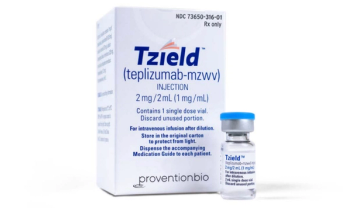
FDA Expands Teplizumab-mzwv Approval to Delay Stage 3 Type 1 Diabetes in Children as Young as 1 Year
FDA approval expands teplizumab-mzwv to patients 1 year and older, helping delay type 1 diabetes onset for children with stage 2 diabetes.

Gwen Nichols shares her dream of changing the landscape of pediatric cancer research and care.

This decision builds upon the drug’s initial approval for adult patients and introduces a new therapeutic option for clinicians treating pediatric populations with rapid heart rate disturbances.

Educate patients to help avoid duplicate acetaminophen intake and prevent interactions, and know when to consult their physician.

The trial's success offers the first robust evidence for targeted pharmacologic intervention in adolescent oHCM.

The FDA removed the age requirement from the neffy 1-mg label, allowing use based solely on weight and expanding access to younger pediatric patients at risk for anaphylaxis.

CDC flags a late respiratory syncytial virus (RSV) rise, while the NFID urges spring vigilance, vaccines, and monoclonals to protect infants and older adults from this virus.

The safety and effectiveness of marne-cel were established in an open-label, single-arm, multicenter phase 1/2 clinical trial.

The approval is a milestone for rare disease that has lacked treatments capable of crossing the blood-brain barrier and introduces a new class of agent that pharmacists will need to understand.

Swapping 30 minutes of teen sedentary time for vigorous activity or extra sleep cuts insulin resistance by 15%, aiding type 2 diabetes (T2D) prevention.

Sharon Nachman, MD, equips pharmacists with clear, evidence-based talking points to address vaccine hesitancy and help parents navigate the confusion created by the legal battle over childhood immunization schedules.
Review drug disposal options and discuss proper medication storage when dispensing.
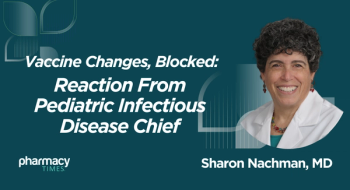
Sharon Nachman, MD, division chief for pediatric infectious disease at Stony Brook Children's Hospital, shares her reaction to the court ruling blocking the scaled-back childhood vaccine schedule.

A federal judge halted HHS Secretary Robert F. Kennedy Jr's rollback of childhood vaccines, freezing ACIP's overhaul and immunization votes amid a medical society lawsuit.

Novo Nordisk's Nicky Kelepouris, MD, discusses the REAL8 trial, the expanded pediatric indications for once-weekly somapacitan, and the pharmacist's role in supporting families navigating long-term growth hormone therapy.

FDA approves secukinumab for adolescents 12 years and older with moderate to severe hidradenitis suppurativa, offering the first IL-17A option and new hope for earlier relief.

Rapid RSV testing in pediatrics cuts unnecessary antibiotic use in young children with viral lung infections.

Ongoing measles outbreaks highlight the impacts of reduced vaccination rates and heightened public distrust in health experts.

New AAAAI data spotlight oral remibrutinib for CSU, next-generation peanut allergy therapies, infant microbiome prevention, and GLP‑1 receptor agonists linked to fewer asthma flares.

Navepegritide becomes the first and only once-weekly treatment to increase linear growth in children with achondroplasia.

Lomitapide demonstrated substantial LDL cholesterol reductions in a pivotal trial.
Advertisement
Advertisement
Trending on Pharmacy Times
1
Pneumonic Plague: What Pharmacists Need to Know About Treatment
2
Could Cemdisiran Keep Patients With Myasthenia Gravis Out of the Hospital?
3
FDA Approves Pritelivir for Refractory HSV Lesions in Immunocompromised Adults
4
FDA Approves First Once-Monthly Subcutaneous Olanzapine LAI for Adults With Schizophrenia
5