































































































The FDA approves ruxolitinib cream for treating atopic dermatitis in children, offering hope for millions affected by this chronic skin condition.
The FDA approves ruxolitinib cream for treating atopic dermatitis in children, offering hope for millions affected by this chronic skin condition.

A new study reveals fluoride in tap water enhances cognitive performance, debunking claims of its link to neurodevelopmental delays and lower IQ.

New research reveals significant nonrespiratory complications in hospitalized children with influenza, highlighting the need for improved clinical awareness and antiviral treatment.

Counsel patients about effective remedies for pediatric colds, sore throats, and safe OTC options for adults with hypertension to alleviate symptoms.

Amoxicillin is a favorable choice for outpatient use in pediatric patients given its relatively narrow spectrum of activity and palatable formulation.

Home monitoring enhances pediatric asthma management, boosting patient engagement and awareness while providing valuable medical feedback for better control.

A nasal vaccine against whooping cough shows promise in blocking infection and enhancing respiratory immunity, offering a needle-free solution.
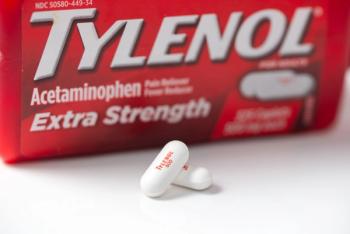
Recent analysis reveals no significant link between maternal acetaminophen use and increased autism or ADHD risk, challenging previous health claims.

Linaclotide has been approved to treat patients 7 years and older with irritable bowel syndrome with constipation, becoming the first treatment for this indication in this age group.

Maternal COVID-19 infection raises concerns about neurodevelopmental disorders in children, emphasizing the need for effective fever and infection management during pregnancy.

The FDA has approved doxecitine-doxribtimine powder for the treatment of patients with thymidine kinase 2 deficiency developing symptoms at or before the age of 12.

In children and adolescents, reinfection with COVID-19 increased the risk of worsened long COVID outcomes.

Environmental factors significantly influence the rising rates of type 2 diabetes in children.

If approved, SYD-101 would have been the first FDA-approved treatment for pediatric myopia, offering hope to millions of affected children in the US.

The mean time intervals between injection and complete retinal vascularization were similar between the biosimilar and its reference product.
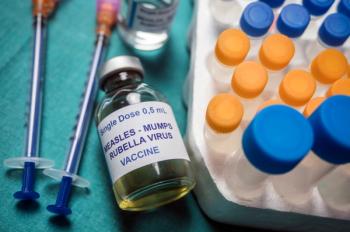
Researchers highlight the critical link between school vaccination rates and measles outbreaks, urging targeted public health strategies to combat misinformation and improve MMR coverage.
This is the first pediatric FDA approval for golimumab, according to the manufacturer.
The approval is supported by findings from the INTEGUMENT-PED trial and the INTEGUMENT-OLE long-term extension study.

The angiopoietin-like-3-targeting treatment received an expanded indication for individuals aged 1 through 5 years, building on earlier approvals in older populations.

A federal pricing pact with Pfizer and an executive order on pediatric cancer AI may reshape affordability and evidence pathways for pharmacists and patients.

Recent FDA approval of nirsevimab and clesrovimab have transformed RSV prevention in infants, prompting new recommendations from the CDC and AAP and replacing the long-standing role of palivizumab.

The FDA approves guselkumab, the first IL-23 inhibitor for pediatric psoriasis and psoriatic arthritis, enhancing treatment options for children.

Pediatric flu cases surge, revealing alarming rates of encephalopathy.

However, experts say that a causal relationship between acetaminophen and autism has not been established.

Careful selection of pharmacotherapy and close monitoring are crucial to ensuring safety and efficacy.