
















































































A maternal inflammatory diet during pregnancy raises the risk of offspring developing type 1 diabetes, highlighting the impact of nutrition on early health.
A maternal inflammatory diet during pregnancy raises the risk of offspring developing type 1 diabetes, highlighting the impact of nutrition on early health.

The study found biosimilar initiation rose to nearly 42% from 2016 to 2023.

Compared with prior intravenous formulations, the autoinjector is a more accessible administration method for children and their caregivers.
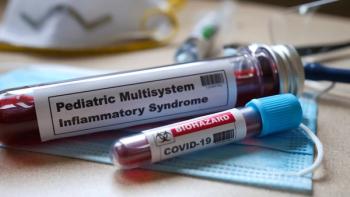
Glucocorticoids alone were found to reduce treatment failure and fever duration, but the combination with intravenous immunoglobulin (IVIG) significantly reduced the need for adjunctive immunotherapy following treatment.
The FDA approves garadacimab-gxii, a treatment for hereditary angioedema (HAE), offering convenient monthly self-injections for patients 12 years and older.
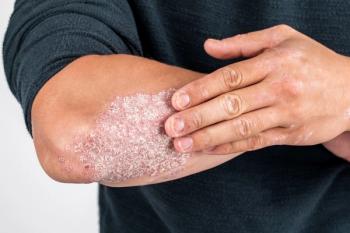
The subcutaneous infusion is indicated for pediatric patients aged 6 to 17 years who weigh less than 60 kg.
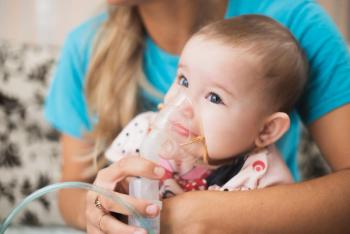
The FDA approves clesrovimab-cfor, a new RSV vaccine, offering infants effective protection against severe respiratory illness during their first RSV season.
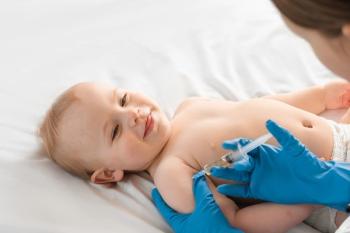
V114, a 15-valent pneumococcal conjugate vaccine (PCV), provided better protection against serotypes 22F and 33F compared with 13-valent PCV (PCV13).
The formulation allows for individualized treatment in children with adrenocortical insufficiency.
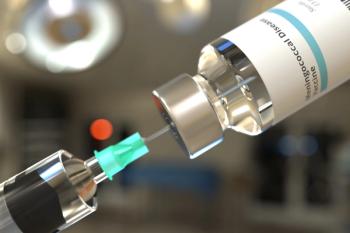
The FDA approved the MenQuadfi vaccine for young children, enhancing protection against invasive meningococcal disease and its severe complications.
The change is poised to impact countless individuals who may have sought a COVID-19 vaccine this upcoming respiratory season.
RSV vaccines for pregnant women and infants require careful timing and administration.

This indication is for adult and pediatric patients aged 12 and older with plaque psoriasis of the scalp and body.

The phase 3 REAL8 trial shows once-weekly Sogroya effectively improves growth in children with growth disorders, offering a promising alternative to daily injections.
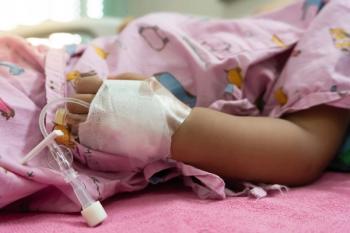
Additional intravenous immunoglobulin (IVIG) treatment shows promise for patients with Kawasaki disease who are resistant to infliximab, potentially matching the efficacy of second IVIG doses in patients resistant to IVIG.

The approval expands the therapy’s indication to children as young as 7 years.
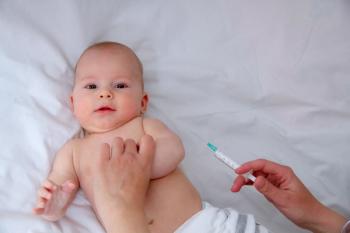
Explore the latest advancements in RSV vaccination strategies for newborns, focusing on maternal immunization and post-birth protection options.


Necrotizing enterocolitis (NEC) is a life-threatening illness that is characterized by the inflammation of the intestinal lining, which can lead to intestinal perforation.

The agent targets B7-H3, a commonly overexpressed protein in diffuse intrinsic pontine glioma (DIPG).

Research reveals a significant link between maternal anemia and increased risk of congenital heart defects in infants, highlighting the need for effective prevention strategies.

Research reveals that children face significant long-term health risks, including kidney, gastrointestinal, and cardiovascular issues, after COVID-19 infection.

Ochsner Children’s Hospital, in partnership with ISMP, has launched a fellowship to advance pediatric medication safety through hands-on training in key competencies, national safety strategies, interdisciplinary collaboration, and innovative tools such as AI and data dashboards.
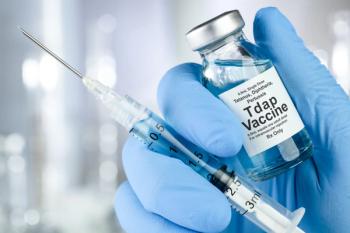
Experts attribute the increase of pertussis cases to declining DTaP vaccination rates.

Children who received antibiotics between birth and 2 years of age were more likely to develop food allergies, allergic rhinitis, and asthma, but not neurodevelopmental conditions.