





The authors note that further research is needed to clarify cost-effectiveness, long-term adherence, and psychosocial impacts of oral immunotherapy.

Antibiotic Use in Infants and Young Children May Increase Risk of Allergic Conditions
The authors note that further research is needed to clarify cost-effectiveness, long-term adherence, and psychosocial impacts of oral immunotherapy.
Eculizumab, a humanized monoclonal antibody, was first approved for adults with generalized myasthenia gravis in 2017.

The cancers linked with per- and polyfluoroalkyl substance (PFAS) exposure included nonastrocytoma gliomas, acute myeloid leukemia, and Wilms tumors.

The treatment is currently undergoing evaluation in an investigational preclinical program and is projected to be in human trials in 2026.
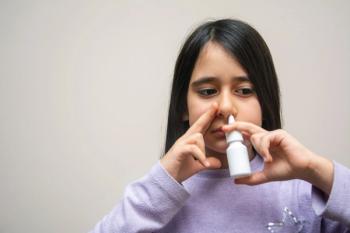
According to a news release, this marks the first significant innovation in epinephrine delivery for this patient population is more than 35 years.

The action follows pooled data from 2 studies that enrolled patients with hemophagocytic lymphohistiocytosis (HLH)/macrophage activation syndrome (MAS) in Still disease.
The updated indication now includes pediatric patients aged 5 through 11 years.

Health care professionals and patients must recognize that rapid administration of adrenaline is the only first-line treatment for anaphylaxis.

Officials urge vaccinations as mobile vaccine drives ramp up to contain the outbreak.

Although more research is needed in pediatric patients, biosimilars could improve treatment access and reduce costs.
Curbing RSV and its complications can reduce health care costs associated with its treatment.

In children aged 1 to 3 years, the VP250 peanut patch was superior to placebo in the desensitization to peanuts and increasing the peanut dose that triggers allergic symptoms.

Improvements in baseline for markers of hemolysis (indirect bilirubin, lactate dehydrogenase, and haptoglobin) were observed only in the mitapivat arm.
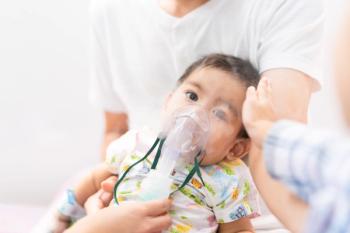
Coinfection with RSV and hRV is linked to a higher prevalence of lower respiratory tract infections, according to new data.

New data from the longest known trial of pediatrics and adolescents in the postacute phase of COVID-19 show they are at a heightened risk of gastrointestinal tract symptoms.

The authors are optimistic that these findings may help develop defenses to prevent food allergies in at-risk infants.

Pharmacists can help patients and their caregivers manage seizures, assess seizure control, and recommend appropriate treatments such as phenobarbital or rescue medications.

After gradually consuming increased doses of peanut butter, children who could initially tolerate about half a peanut could consume 3 tablespoons without an allergic reaction.

Reductions in cerebellar volume were associated with cognitive deficits and lower kidney function in those with CKD.

Pharmacists can recommend vitamin D supplements and vitamin D-rich foods to support healthy pregnancy outcomes.
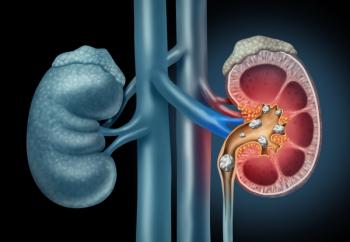
ABO-101 is supported by preclinical data that demonstrated significant reductions in urinary oxalate in PH1 disease models.

Often an indicator of fibrosis or damage to the heart, late gadolinium enhancement was found to be unaffected by the administration of intravenous immunoglobulin (IVIG) in pediatric patients with myocarditis.
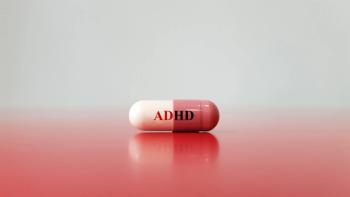
Prescription stimulant dispensing was greatly impacted by the COVID-19 pandemic and drug shortages.

Atopic dermatitis significantly impacts quality of life, and requires personalized management through trigger identification, skin barrier maintenance, and a range of topical, oral, and biologic therapies to reduce symptoms and prevent flare-ups.

Apitegromab is a muscle-targeted therapy for improvement of motor function in individuals with spinal muscular atrophy.