The first AHA endocarditis update in 11 years expands outpatient options, with a bigger role for pharmacists.
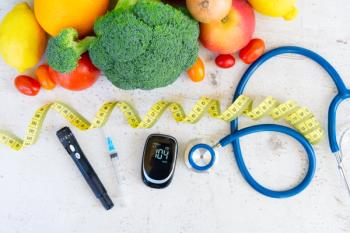
Continuous glucose monitoring (CGM) significantly reduces the risk of high birth weight in babies born to mothers with gestational diabetes.
Gestational diabetes is a type of diabetes that is first diagnosed during pregnancy, which affects how the body uses glucose. It can cause high blood sugar levels that may impact both the pregnancy and the baby’s health. One potential complication of gestational diabetes is high birth weight. Babies weighing 9 pounds or more are at increased risk of birth injuries, getting stuck in the birth canal, or requiring a cesarean-section delivery.
Researchers from the Medical University of Vienna found that continuous glucose monitoring (CGM) in women with gestational diabetes could reduce the risk of a newborn with an above-average birth rate.1-3
The study authors, who published their results in The Lancet Diabetes & Endocrinology, noted multiple advantages of the digital method over self-monitoring blood glucose using finger pricks.1,2
"Continuous glucose monitoring via a sensor placed under the skin allows patients to check their blood sugar levels at any time. This enables them to make specific adjustments to their lifestyle or insulin therapy, which can have a positive impact on the course of their pregnancy," Christian Göbl, lead study author, Department of Obstetrics and Gynecology, MedUni Vienna/University Hospital Vienna, said in a news release.2
Researchers noted that data on the impact of real-time CGMs on reducing adverse pregnancy outcomes in women with gestational diabetes is limited. In this open-label, parallel-group, multicenter, randomized controlled trial (NCT03981328), investigators aimed to compare the proportion of large-for-gestational-age (LGA) newborns between women using CGMs and those using self-monitoring of blood glucose (SMBG), or finger pricks.1,2,4
CGMs differ from SMBG in that they offer constant detailed glucose readings that are delivered through a device or read through an app on a smartphone, while glucometers provide instant readings after a finger prick in a single point-in-time result.1
In the study, a total of 375 women with gestational diabetes were included and randomly assigned to the real-time CGM group or the SMBG group with intermittent finger pricks.1,2
The primary end point of the study was the proportion of LGA newborns, based on the Perinatal Institute’s GROW customized birthweight percentiles. Secondary end points included the need for glucose-lowering medication, CGM metrics, and other maternal and neonatal outcomes not related to blood glucose.1,2
The results demonstrated that LGA infants were less common among mothers using real-time CGMs compared with those using SMBG, with only 4% of women giving birth to an above-average weight child in the CGM group compared to 10% in the SMBG group. Findings demonstrated that the average birth weight percentiles were lower in the real-time CGM group, showing that children were less likely to have excessive growth.1,2
The researchers also observed a higher number of small-for-gestational-age (SGA) newborns in both study groups, suggesting that very strict blood sugar management could be associated with an increased risk of insufficient fetal growth. However, the difference in SGA was not statistically significant, and the study authors noted that further investigation is needed.1,2
“In any case, our results suggest that real-time glucose monitoring systems can improve pregnancy care—especially for women who benefit from more intensive therapy," Tina Linder, the first study author from the Department of Obstetrics and Gynecology, MedUni Vienna/University Hospital Vienna, discussed. "At the same time, the optimal blood glucose target values still need to be precisely defined in order to avoid both overgrowth and undergrowth of the fetus."2
Stay informed on drug updates, treatment guidelines, and pharmacy practice trends—subscribe to Pharmacy Times for weekly clinical insights.
Subscribe