In the phase 2 ZUPREME 1 trial, the once-weekly amylin analog was well tolerated, with nausea mostly mild and limited to dose escalation.
Pharmacists debate the effectiveness and ethics of GLP-1 agonists for pediatric obesity, highlighting the need for balanced treatment approaches.
Two pharmacists on opposite sides of the issue of using glucagon-like peptide-1 (GLP-1) agonists in pediatric patients went head-to-head in a lively debate that was collegial and fierce.
Speaking to a packed room at the American Society of Health-System Pharmacists 2025 Midyear Clinical Meeting and Exhibition in Las Vegas, Nevada, Norman E. Fenn III, PharmD, BCPPS, BCPS, FASHP; and Kelly L. Matson, PharmD, BCPPS, went back and forth over this topic in an engaging presentation that was highly researched and full of opinions. Both speakers began their respective times at the microphone with some variation of "I have lots of respect for my esteemed and educated colleague, but [they are] wrong," while both smiled widely. It was clear that these speakers enjoyed debating each other, and neither was going to give an inch.
Opening the session was Matson, who asserted within minutes that GLP-1 agonists are much more effective than any other treatment in reducing weight in pediatric patients and used data from clinical trials to back up her argument. On the other side of the debate was Fenn, who cited the lack of transparency around lifestyle factors in the data and the fact that weight gain in pediatric patients after stopping GLP-1 agonists was immediate and significant. At one point, Fenn said, "You can make the statistics say whatever you want."
Matson certainly knew what she wanted the statistics to say, and she began pulling them out immediately: 15 million children in the US aged 2 to 19 years, or about 1 in 4, have obesity, and that number has risen consistently. Hispanic boys and non-Hispanic Black girls make up the most significant portion of this number, and the risk of obesity increases as family income decreases.
She then outlined the basics of intensive health behavior and lifestyle treatment (IHBLT) for obesity: a face-to-face, family-based program focusing on nutritional and physical changes in activity over 3 to 12 months, usually not covered by insurance, with at least 26 hours needed to be even minimally effective and over 52 hours in the program required for any significant body mass index (BMI) reduction. "That's difficult, right?" she asked. "Transportation issues, loss of school, loss of work.... What if you're in a rural area? This needs to be face-to-face; you [might] not find that program [locally]. ... That's a huge barrier."
GLP-1 agonists remove those barriers to weight loss, Matson argued. She cited the increased prescriptions for these drugs in adolescents, which have skyrocketed over 500% since 2020. She was clear that any pharmacotherapy for weight loss in adolescents should be "as an adjunct to health behavior and lifestyle treatment" and only for patients older than 12 years whose BMI is in the 95th percentile, or as low as the 85th percentile if the patient has at least 1 obesity-related comorbidity. "The guidelines are specific about when to add GLP-1s," she said, adding that comorbidities and adverse effects need to be closely monitored.
Upon reaching the microphone for the first time, Fenn immediately stated that he hoped to change some minds in the room. He cited guidelines from the American Academy of Pediatrics, which released its first comprehensive pediatric obesity guidelines in 2023; Fenn considers them aggressive. "They're talking about children as young as 2 years of age," he said. "That's a very early age to give somebody a weight complex...[and] there's no real evidence or data looking at things [in] kids under 2 years of age."
Fenn, too, looked at social determinants of health and risk factors for obesity, but said IHBLT should be the mainstay of obesity therapy for pediatric patients, along with behavioral counseling. He repeatedly cited the lack of standardization in clinical data regarding lifestyle management, which was often not well defined in protocols or well tracked among enrolled patients in the US (Europe, he said, has much better standards and tracking of this information). He also cited the need for practitioners to assess a patient's readiness to change, including family involvement and support, which he said was critical to any weight-loss journey.
Where these strategies were not successful in impacting weight loss, Fenn preferred methods already approved in adolescents, such as bariatric surgery, where appropriate, or metformin, which has the greatest body of evidence and has data supporting its safe use in children as young as 6 years. He cautioned against treating weight alone and ignoring comorbidities that are preexisting or may develop over time, especially depression and eating disorders.
A significant barrier to the use of GLP-1 agonists compared with other treatment methods, Fenn said, is cost. The skyrocketing prescription rate is likely to stop insurers from covering them as an antiobesity drug. "You can be on it, but it's a $500 co-pay every month, and it doesn't contribute toward your deductible. And a lot of [insurance companies] are pursuing this.... And then what happens if you lose insurance, or it comes off your insurance?" he said, citing a news story from April 2025 that said Medicare and Medicaid were not expected to cover the drugs in 2026 to support his argument (more recent news stories conflict with this information, but were not cited by the presenters).2
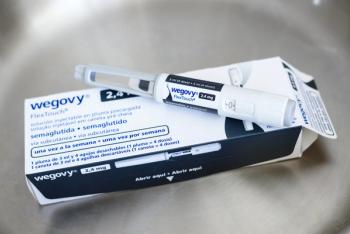
Matson said she agreed there are patients for whom bariatric surgery and metformin may be appropriate, but that they cannot compare with the sustained and immediate results patients see with GLP-1 agonists. She cited data from numerous clinical studies of liraglutide (Victoza; Novo Nordisk) and semaglutide (Ozempic, Wegovy, Rybelsus; Novo Nordisk) that showed statistically significant improvements compared with metformin or placebo.
Fenn followed right on her heels with data showing statistically significant weight gain following the end of the trials, when adolescent patients stopped the drugs. "This is potentially a lifelong therapy, and you're putting a 6-year-old on it. I don't know about you guys, but we try to de-escalate pharmacotherapy as soon as we can in children," he said. "We know these kids are going to gain weight anyway, because they're growing and developing.... How's [GLP-1 agonist use] going to affect puberty? How's it going to affect growth?... We don't have those long-term data."
Matson countered that living with obesity throughout childhood and teenage years made patients vulnerable to bullying and depression; Fenn countered that the gastrointestinal adverse effects of their use were not likely to improve that situation, but sustained lifestyle change would have a far greater long-term impact without placing young people on a medicine they would likely need to use for years.
Ultimately, Matson and Fenn exemplified the difficult balance that pharmacists must strive to achieve when treating pediatric and adolescent patients with obesity. GLP-1 agonists are a powerful tool, and their advantages must be weighed against a host of ethical concerns. Their debate underscored the need for practical, effective, multipronged approaches to treating pediatric obesity.
Stay informed on drug updates, treatment guidelines, and pharmacy practice trends—subscribe to Pharmacy Times for weekly clinical insights.
Subscribe