

Modeling in Canada suggests price drops of up to 70% could make dual glucagon-like peptide-1 (GLP-1) RA/SGLT2 inhibitor therapy the preferred strategy for high-risk patients with type 2 diabetes (T2D).
Modeling in Canada suggests price drops of up to 70% could make dual glucagon-like peptide-1 (GLP-1) RA/SGLT2 inhibitor therapy the preferred strategy for high-risk patients with type 2 diabetes (T2D).

When a PA is incomplete or missing the right documentation, the rejection lands at the pharmacy counter, not the prescriber's desk.

The warning has prompted new CDC recommendations for prevention and molecular diagnostic testing.

Most medically complex adults can be vaccinated, but determining when and with which product may require additional assessment.

Nearly half of US adults fall short on this essential mineral. Here’s what to recommend.

Andrew Bzowyckyj, PharmD, explains how the CKM framework turns albuminuria, ejection fraction, and inflammation into patient-specific risk stratification.

Inlexzo (gemcitabine intravesical system) reshapes NMIBC care: bladder‑dwelling therapy, J9183 billing, and coordinated pharmacy‑urology safety steps.

The combination also produced a 78.6% complete response rate in heavily pretreated patients with R/R mantle cell lymphoma following BTK inhibitor therapy.

There are specific, appropriate uses of AI that support pharmacy students and residents without compromising the integrity of their own work.

Pharmacy's location-based title reflects an unfinished professional transition that provider status and privileging, not renaming, must complete.
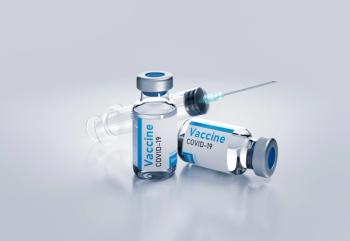
mRNA vaccines are just one of several vaccine platforms available to patients.

Robust reporting and analysis of medication errors allows health care institutions to identify systemic vulnerabilities, revamp workflows, and build a resilient infrastructure.

Timed clinician prompts plus patient reminders boost annual LDCT follow-up to 75%, highlighting workflow fixes that close lung cancer screening gaps.

From double-dipping GLP-1s to off-label pioglitazone, Susan Cornell, PharmD, breaks down where the metabolic dysfunction-associated steatotic liver disease (MASLD) drug evidence stands today.

Phase 3 MajesTEC-9 findings show teclistamab monotherapy significantly improves progression-free survival and overall survival compared with PVd or Kd.

Though COVID-19 is responsible for fewer deaths and less disease burden, it still represents a formidable threat among seasonal respiratory infections.

Pharmacists can educate patients on preventive measures to avoid heat-related illnesses.

Educate patients about psoriasis pharmacotherapy options and monitor for medication adherence

The designation highlights an emerging strategy targeting TNFR2-mediated immune suppression in heavily pretreated platinum-resistant ovarian cancer.

Early trial data suggest zongertinib shrinks HER2‑mutant NSCLC brain metastases, highlighting CNS control and pharmacist guidance.

IRA reshapes Medicare drug costs: Part B negotiations loom, pharmacies adapt, and patients gain Part D caps—see impacts on oncology care and access.

New recommendations move noncore shots to shared clinical decision-making, but a court stay keeps day-to-day pharmacy practice unchanged.

A phase 4 study found that a suzetrigine-based multimodal pain regimen provided favorable postoperative pain control, with 76.1% of patients recovering without opioid rescue medication.

A first-in-class RNA degrader targeting MYC mRNA showed preclinical antimyeloma activity, offering a potential new strategy for targeting a historically difficult-to-drug driver of multiple myeloma.

Incrementalism is out of favor, and a wholesale move toward professional judgment is underway.

New trials explore glucagon-like peptide-1 receptor agonists for alcohol, nicotine use disorder, and smoking cessation.

Oncology pharmacists unite care teams like World Cup midfielders—coordinating safe care and supporting patients through hope, setbacks, and dignity.

NICE’s family history–based referral criteria identified just 4.4% of women under 50 who developed breast cancer within 10 years.

A 61,000-woman Danish cohort found overweight or obesity trajectories from 6 years of age tracked with lower odds of childbirth by the mid-20s.

Integrated access to the state immunization registry helped a Discount Drug Mart pharmacist avoid an unnecessary pneumococcal vaccine and strengthen patient trust.