

Anthony Ishak, PharmD, explains how the PREVENT risk estimator helps pharmacists calibrate dose intensity and move stage 2 patients to combination therapy.
Anthony Ishak, PharmD, explains how the PREVENT risk estimator helps pharmacists calibrate dose intensity and move stage 2 patients to combination therapy.

The expanded approval of leniolisib makes it the first approved treatment for pediatric patients with activated phosphoinositide 3-kinase delta syndrome.

Carole R. Berini, PhD, and Saamir Pasha, MPH, of Ontada discuss a model designed to estimate missing baseline ECOG performance status in advanced prostate cancer and the validation needed before it can support broader real-world evidence research.

Contraceptive access gaps driven by federal rollbacks, provider shortages, and stalled state legislation could be narrowed by letting trained pharmacists prescribe birth control independently.

Cancer diagnoses among civilians exposed to 9/11 dust keep rising, with strained health programs struggling to meet growing needs.

Peer Reviewed
Long-term use of PPIs—and, to a lesser degree, histamine 2 receptor antagonists—may increase the risk of bacterial infections, including C difficile and pneumonia, underscoring the need for pragmatic prescribing.
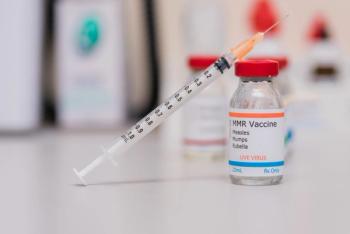
With childhood immunization rates sliding and outbreaks accelerating, pharmacist-led counseling and vaccine administration can boost vaccination rates.

Once-daily oral deucrictibant extended-release significantly reduced hereditary angioedema attacks compared with placebo in the pivotal phase 3 CHAPTER-3 trial.

A Danish registry study found that COVID-19 infection was linked to a lower, not higher, risk of subsequent type 1 diabetes (T1D) in unvaccinated individuals younger than 30 years.
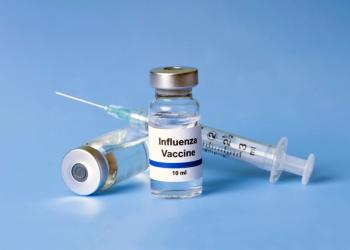
A high-dose vaccine cut hospitalizations for flu, pneumonia, and cardiorespiratory disease in older adults with asthma, COPD, and other chronic lung conditions.

The data support GPRC5D-directed CAR T-cell therapy as a potential option following prior BCMA-targeted treatment.

Peer Reviewed
Investing in formalized technician education not only supports competency development but also strengthens workforce stability.
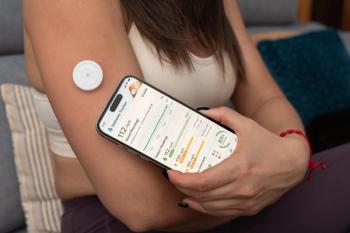
Student pharmacists have the unique position to encourage patient glucose monitoring through continuous glucose monitors (CGMs) and pilot initiatives to address provider, racial, and cost barriers.

The DAPA ACT HF-TIMI 68 analysis shows early, sustained congestion relief and rising diuretic efficiency through 2 months.

The FDA expanded the accelerated approval of sevabertinib to include treatment-naive adults with locally advanced or metastatic nonsquamous NSCLC harboring HER2 tyrosine kinase domain-activating mutations.

The investigational IL-33–targeting monoclonal antibody tozorakimab reduced moderate to severe COPD exacerbations across two phase 3 trials, including among patients with low blood eosinophil counts.

Health systems are being urged to reconcile inventory immediately, as the affected vials are commonly stocked for anaphylaxis and septic shock emergencies.

The phase 3 DeLLphi-305 trial found that the first-line maintenance therapy improved overall survival in extensive-stage small cell lung cancer (ES-SCLC) compared with durvalumab alone.

A 5-level model for classifying AI-enabled pharmacy systems may help health systems advance to new levels of pharmacy autonomy.

Pharmacists rethink retirement: use compound growth, start early, and define the life you want—so your savings plan fits your future.

Lurking under the surface of inroads made toward better reimbursement and expanded scope of practice are major workforce supply challenges.

Camizestrant is the first cancer therapy guided by a ctDNA resistance mutation detected before imaging shows disease progression.

Tim Ulbrich, PharmD, breaks down the 5 foundational components that pharmacists need in place before chasing more advanced financial optimization.
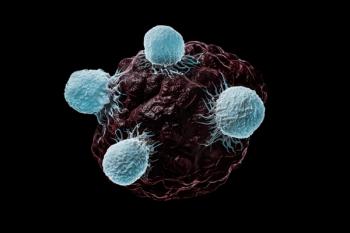
Preclinical research identifies tumor-secreted PRDX1 as a potential “redox checkpoint” that suppresses T-cell activity and may contribute to resistance to immune checkpoint inhibitors.

The Cleveland Clinic team's real-world findings presented at ESC 2026 are hypothesis-generating and need prospective confirmation but point to a low threshold for OSA screening.
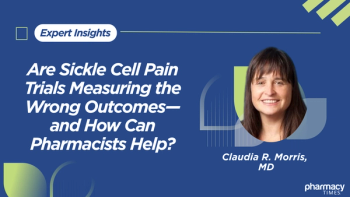
In an interview with Pharmacy Times, Claudia R. Morris, MD, lead investigator and author of the phase 3 STArT trial and a pediatric emergency medicine physician at Children’s Healthcare of Atlanta, discussed the need for more meaningful end points in sickle cell pain trials, future research targeting acute chest syndrome, and how pharmacists can improve the collection of opioid-use data.

Titilola M. Afolabi discusses how gaps in pediatric-specific evidence shaped her path into research and highlights the interdisciplinary studies that have defined her career.

Clear governance, appropriate oversight, and alignment among technology, policy, and payment will be essential.
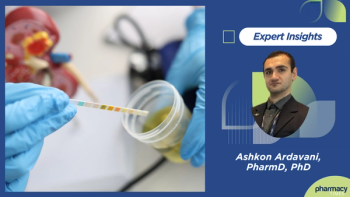
Publication, conference dissemination, and guideline inclusion are needed for uptake, which has historically been poor for chronic kidney disease (CKD) outcome sets.

A single-center study found similar 12-month total weight loss whether or not patients used a glucagon-like peptide-1 (GLP-1) receptor agonist before surgery.