
Decode carcinogens: IARC hazard vs risk, what "possibly" means, and how pharmacists ease aspartame, meat, and phone fears.
Decode carcinogens: IARC hazard vs risk, what "possibly" means, and how pharmacists ease aspartame, meat, and phone fears.

Mattew Lei, PharmD, BCOP,breaks down the FDA approval of subcutaneous isatuximab-irfc via the CirCLIQ on-body injector.
Garetosmab-grts cut new heterotopic ossification lesions by 90% or more at 56 weeks in the phase 3 OPTIMA trial.
Intismeran autogene plus pembrolizumab significantly improved recurrence-free and distant metastasis-free survival over pembrolizumab alone.
Findings published in Lancet Child & Adolescent Health arrive as a new US executive order shifts rotavirus vaccination to shared clinical decision-making.
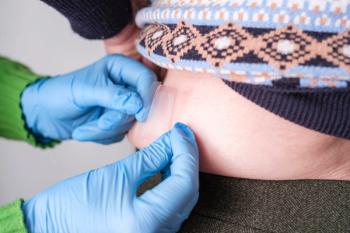
The patch detected fentanyl and automatically delivered dose-responsive naloxone in laboratory and mouse studies, offering a potential strategy for addressing unwitnessed opioid overdoses.

New data link T2DM and prediabetes to more numerous, more severe symptoms, especially postmenopause.

Learn how common meds, immunosuppressants, steroids, anti-CD20 biologics, and antivirals change vaccine timing for the best.

Beyond financial considerations, the emotional meaning of retirement is an often-forgotten question.
Jennifer Griffin, PharmD, MS, outlines a listening-first approach to vaccine-hesitant patients and explains how delegating immunizations and non-clinical tasks to trained technicians has transformed her pharmacy's workflow.
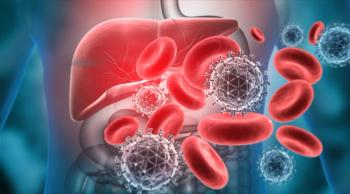
A nationally representative analysis found serologic immunity to hepatitis A and B was limited among US adults, including populations at elevated risk.
Framing systemic inflammation as a “slow burn” helps patients see why SGLT2 inhibitors and GLP-1s work across diabetes, heart failure, and CKD.
In an interview with Pharmacy Times, Scott Soefje, PharmD, MBA, BCOP, FCCP, FHOPA, discussed how Inlexzo and increasingly complex urologic cancer therapies are driving closer coordination between urology and oncology pharmacy.

New ACC statement urges pharmacists to weigh cognition and frailty in every older adult's cardiovascular regimen.

Chronic kidney disease (CKD) in diabetes is often caught late. Standardized eGFR and UACR screening plus thoughtful sequencing can slow progression and cut CV risk.

Without an identifiable cure, pharmacists must prioritize prompt diagnosis and individualized symptom management.

The bill raises broader questions about pharmacist recognition as frontline care providers—not mere medication dispensers.
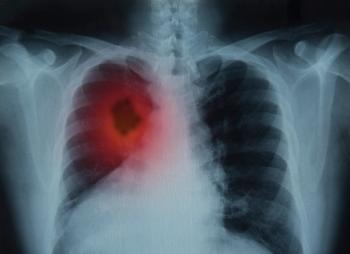
First-line trastuzumab deruxtecan significantly delayed disease progression in HER2-mutant advanced NSCLC.

Adding family-based behavioral treatment to standard care nearly doubled clinically meaningful weight loss in kids in the TEAM UP trial.
From dietitian referrals to setting realistic weight-loss expectations, Cornell maps the pharmacist's place on the MASLD team.
UNC Health's Stacey Cutrell breaks down the PREVENT calculator, secondary-cause screening, and special-population guidance for pharmacists.

The all-oral combination of osimertinib and savolitinib significantly improved progression-free and overall survival following osimertinib resistance.

Topiramate, an antiseizure medication, has an off-label indication for cocaine use disorder and it received a conditional recommendation with a low certainty of evidence.
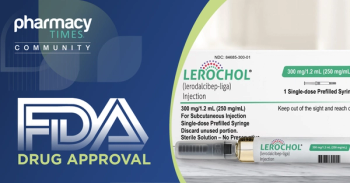
The agency's decision pairs a new self-administration device with label language tying LDL-C lowering to cardiovascular outcomes.

New research shows COVID vaccine hesitancy wanes, but burnout rises.
Every diagnosis comes with a workload for patients.
From patient selection to prior authorization: Tim Pflederer, MD, on delivering guideline-directed CKD care beyond the 15-minute visit.
Amid 2026 vaccine schedule changes, Trump executive order and vaccines spark confusion—see what’s legal, why AAP guides the childhood vaccine schedule.

The approval is supported by clinical data from 2 studies.
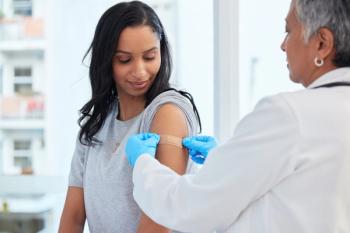
Pharmacists play a key role in translating COVID-19 variant surveillance data into patient-centered counseling on vaccine efficacy.