
FDA Approves Insulin Efsitora, Once-Weekly Basal Insulin Injection for Adults With T2D
Published: | Updated:
Insulin efsitora alfa-gobe (Onswik; Eli Lilly and Company) is designed to deliver steady basal insulin levels over a full 7-day duration.
Insulin efsitora alfa-gobe (Onswik; Eli Lilly and Company) is designed to deliver steady basal insulin levels over a full 7-day duration.
Vallerie McLaughlin, MD, explains why the ERS update strongly recommends sotatercept for patients with pulmonary arterial hypertension (PAH) who don't reach low-risk status on initial therapy.

Long-term CASSIOPEIA Registry results show that daratumumab maintenance supports sustained minimal residual disease negativity in transplant-eligible patients with newly diagnosed multiple myeloma.

Imaging data from the CONTENTed study suggest the type 2 inflammation that drives severe asthma may affect more than the airways.

Infection prevention during bispecific antibody treatment requires pharmacists to coordinate baseline screening, antimicrobial prophylaxis, immunoglobulin monitoring, vaccination, and rapid evaluation of suspected infections.

A pharmacy practice professor explains how GLP-1s may blunt reward signaling tied to drinking and why pancreatitis risk belongs in counseling.
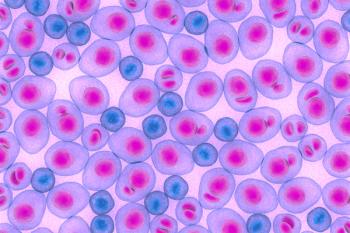
For as long as practicing oncology pharmacists have been in the field, multiple myeloma has carried a standard caveat: treatable, not curable. Now that is changing.
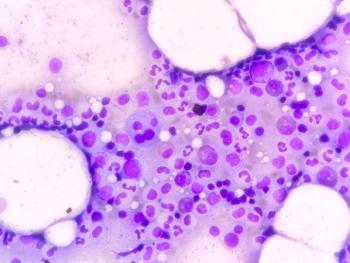
Linvoseltamab drives deep, MRD-negative responses in high-risk smoldering multiple myeloma, raising earlier-treatment and payer coverage questions.

Evidence suggests that psilocybin-assisted therapy for those who have not responded to standard interventions may be beneficial.
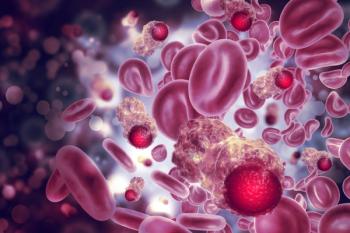
A phase 1/2 analysis found rapid, deep responses with mezigdomide plus elranatamab in patients with relapsed or refractory multiple myeloma, but the small cohort and limited follow-up require cautious interpretation.
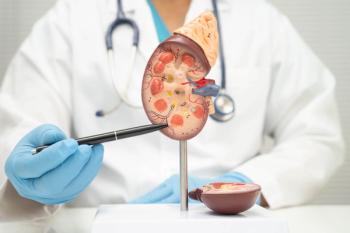
Renal benefit appeared only in patients with albuminuria in a 75,455-person BMJ analysis, whereas sulfonylureas signaled faster decline without it.

Authors of a pharmacist-directed transitions-of-care study discuss what drives pneumococcal vaccine hesitancy and how pharmacists can build systematic vaccine screening into inpatient workflows.
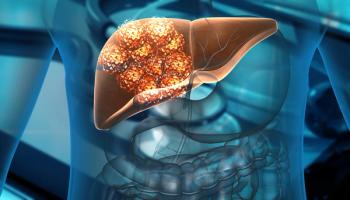
An investigational glypican-3–directed CAR T-cell therapy engineered to express IL-15 and IL-21 produced a complete response lasting at least 1 year in a child with chemotherapy-resistant metastatic hepatoblastoma.
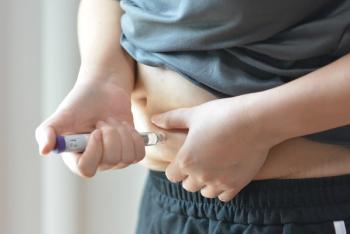
The investigational once-weekly dual GLP-1/GIP receptor agonist, engineered with signaling bias at both receptors, met both primary end points at 48 weeks.

Investigational anti-amyloid monoclonal antibodies may offer a novel pathway to disease reversal.

Increasingly, pharmacists are leading the obesity management team.

HYPERION trial data now support sotatercept within a patient's first year of pulmonary arterial hypertension (PAH) diagnosis, cutting clinical worsening risk by 76% compared with placebo.

A stewardship program combining EHR alerts and pharmacist-led education offers a replicable model for reducing bleeding risk.

A panel of cardiology pharmacists discussed the diagnostic red flags, evolving treatment landscape, and expanding pharmacist role central to identifying and managing ATTR-CM.

Phase 3 CERVINO results show that monthly etentamig significantly improved PFS and response rates compared with investigator-selected therapy in patients with previously treated multiple myeloma.
EMBER-3 data show switching to the combination at progression nearly doubled PFS versus imlunestrant alone in ESR1-mutated advanced breast cancer.

Tim Cernohous of Cencora explains why patient trust no longer guarantees satisfaction—and how automation and better communication can close the gap with mail order.

Statin initiation after colorectal cancer treatment was associated with only modest survival differences after investigators accounted for biases that can exaggerate benefits in observational research.
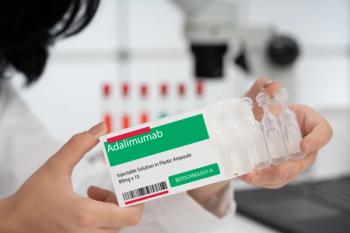
Eight Humira biosimilars have been launched, but payer formularies and interchangeability rules decide what dispenses.

Weight-based norepinephrine dosing did not improve time to goal MAP, and median dose was similar compared with non–weight-based dosing in patients with septic shock.
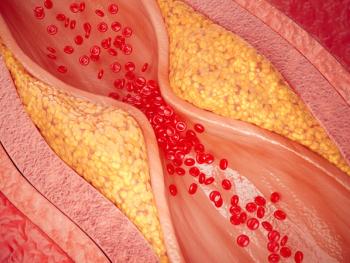
At NEIAP 2026, Kelsey Norman, PharmD, walked through how VESALIUS-CV, Lp(a)HORIZON, and CKM guidelines change pharmacist-led lipid care.

The panelists emphasized that selecting a therapy is only one step toward improving outcomes for patients with heart failure.
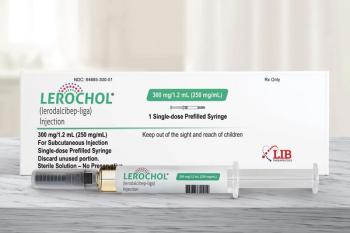
A new device and expanded label tie LDL-C lowering to reduced cardiovascular risk.

Pharmacists can educate patients about staying up to date on immunizations and discuss fall prevention strategies.

Experts from the NEIAP 2026 Annual Forum share how pharmacists are driving hypertension, lipid, cardiorenal, obesity, and CDTM care as primary clinical decision-makers.