
FDA Approves Rusfertide, First Hepcidin Mimetic for Polycythemia Vera
Published: | Updated:
Rusfertide gives adults with polycythemia vera a first-in-class option to cut phlebotomy dependence and control hematocrit.
Rusfertide gives adults with polycythemia vera a first-in-class option to cut phlebotomy dependence and control hematocrit.

Suzetrigine postoperative pain data grows, but buprenorphine access gaps persist; naloxone patch and sickle cell pain trial reshape nonopioid care.
From enlicitide to Lp(a)-lowering siRNAs, a look at the add-on therapies helping high-risk patients reach stricter LDL targets below 55 mg/dL.

Pharmacist Jennifer Goldman on why expectation-setting, GI counseling, and nutrition drive glucagon GLP-1 persistence and long-term success.

Tarlatamab targets DLL3 in lung cancer; learn step-up dosing, CRS/ICANS monitoring, and pharmacy tips to keep patients safely on therapy.
IPD survivors face years of sharply elevated recurrence risk, yet vaccination remains low.
Craig Beavers, PharmD, breaks down CARDIO-TTRansform, SINGLE-AF, and POET II—and what each means for anticoagulation, stewardship, and monitoring.
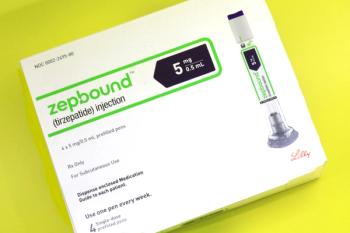
Real-world data show sustained tirzepatide use offset its cost by 12 months in adults older than 55 years, with fewer hospital and ED visits.
Bictegravir/lenacapavir (Bixlenvo) offers the first single-tablet option for many patients with HIV currently receiving complex antiretroviral regimens.
Mounjaro becomes the first GIP/GLP-1 receptor agonist cleared to lower MACE risk, based on the SURPASS-CVOT head-to-head trial.

Experts gather for a roundtable on the rare, delayed toxicities associated with ciltacabtagene autoleucel in relapsed/refractory multiple myeloma.
The updated formula targets the JN. 1-lineage XFG variant and begins shipping immediately to pharmacies, hospitals, and clinics nationwide.

Brepocitinib (Lisraya), a once-daily TYK2-JAK1 inhibitor, is the first oral therapy approved for adults with the rare autoimmune disease.

Early-phase trial data showed antitumor activity in heavily pretreated metastatic colorectal cancer.

If Heidi Overton is confirmed, the FDA nominee's views on abortion pills, vaccines, and drug review could reshape pharmacists' daily work.

Ivonescimab plus chemotherapy significantly improved overall survival compared with durvalumab plus chemotherapy in patients with previously untreated advanced biliary tract cancer.
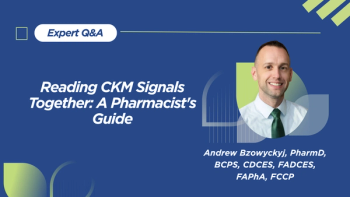
Andrew Bzowyckyj, PharmD, explains how pharmacists can use albuminuria, ejection fraction, and inflammation to drive earlier CKM risk stratification and patient care.
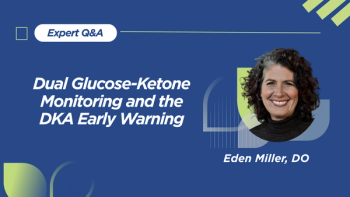
A diabetologist who lives with type 1 diabetes weighs in on real-time ketone monitoring and what it means for at-risk patients.

Investigators say the nanoparticle candidate's speedy manufacturing process and slow-mutating target could reshape how the field responds to emerging flu strains.
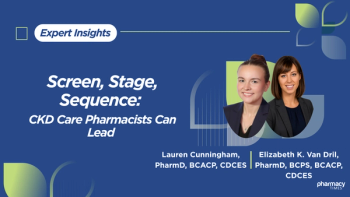
Kidney-protective therapy is now layered. How pharmacists screen, stage by KDIGO, stagger ACE/ARB, SGLT2, GLP-1, and finerenone, and cut CV risk.

New AUGMENT-101 data clarify revumenib dosing with food, antacids, and antifungals.

CK0803 is an investigational allogeneic cord blood–derived regulatory T-cell therapy designed to target neuroinflammation in amyotrophic lateral sclerosis.
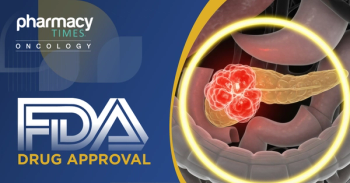
Daraxonrasib, an oral RAS inhibitor, was approved for adults with metastatic pancreatic adenocarcinoma after prior systemic therapy or when multiagent systemic therapy is not appropriate.
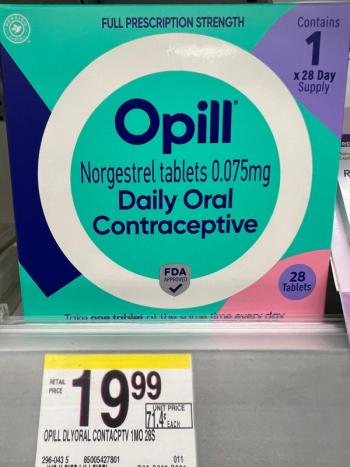
New data show Opill reaches uninsured, rural, and younger patients—putting pharmacists at the center of daily dosing counseling.
Older triglyceride drugs manage only 10% to 30% reductions; newer injectables go far further, with FCS as their first key role.
The FDA has expanded the approval of dolutegravir expands access to a second-generation integrase inhibitor for infants in the neonatal period.
Stacey Cutrell, PharmD, BCACP, CDCES, on the PREVENT calculator, screening for secondary causes, intensive BP targets, and fixing stubborn blood pressure.
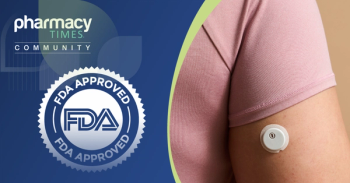
Abbott's Libre Duo 10 Day tracks both glucose and ketones to flag rising DKA risk in people with diabetes 2 years and older.

Sunburn and tanning signal DNA damage—learn SPF 30+ sunscreen tips, reapplication, and medication photosensitivity for skin cancer prevention.

The FDA has approved 2 zanidatamab-hrii–based regimens following phase 3 results demonstrating significant improvements in progression-free survival.