

News|Articles|July 27, 2026
Phase 3 Ravulizumab Trial Misses Primary End Point in Transplant-Associated Thrombotic Microangiopathy
Fact checked by: Justin Mancini
Listen
0:00 / 0:00
Key Takeaways
- Top-line results showed no statistically significant 26-week event-free survival benefit, defined by TMA-related clinical worsening or death, although a treatment-favoring trend was reported.
- Enrollment required HSCT within 12 months and persistent TMA ≥ 72 hours after initial management of potential triggers, with random assignment to ravulizumab or placebo plus best supportive care.
Ravulizumab-cwvz did not significantly improve 26-week event-free survival in adults and adolescents with HSCT-associated thrombotic microangiopathy.
Advertisement
High-level results from the phase 3 ALXN1210-TMA-313 trial (NCT04543591) revealed that ravulizumab-cwvz (Ultomiris; Alexion, AstraZeneca Rare Disease) did not achieve a statistically significant improvement in event-free survival compared with placebo among adults and adolescents with thrombotic microangiopathy following hematopoietic stem cell transplantation (HSCT-TMA).1
The primary end point was event-free survival through 26 weeks, defined as the time from random assignment until TMA-related clinical worsening or death. Although investigators observed a trend toward treatment benefit with ravulizumab, the difference compared with placebo did not reach statistical significance.1
Detailed efficacy and safety findings from the trial have not yet been presented. Alexion plans to present the results at a future medical meeting and is continuing discussions with regulatory authorities regarding the interpretation of the findings, including their evaluation alongside real-world evidence.1
Phase 3 Trial Evaluated Ravulizumab Plus Supportive Care
ALXN1210-TMA-313 was a global, randomized, double-blind, placebo-controlled, multicenter phase 3 trial evaluating ravulizumab in patients 12 years or older who developed TMA following HSCT. The study enrolled 146 patients across 18 countries.1,2 Eligible participants had undergone HSCT within the previous 12 months and had a diagnosis of TMA that persisted for at least 72 hours following the initial management of a potential triggering condition or medication.1
The trial included an initial open-label, single-arm stage to confirm the dosing regimen. In the randomized second stage, patients were assigned 1:1 to receive intravenous ravulizumab or placebo in addition to best supportive care for 26 weeks.1,2
Patients assigned to ravulizumab received loading doses on days 1, 5, and 10, followed by weight-based maintenance dosing beginning on day 15 and administered every 8 weeks. Patients were followed for an additional 26 weeks after completing treatment.1
In addition to event-free survival, key secondary end points included overall survival, nonrelapse mortality, and measures of TMA response. However, results for these end points were not included in the top-line announcement.1
The safety profile observed in ALXN1210-TMA-313 was reported to be consistent with the established safety profile of ravulizumab and with complications observed among patients undergoing HSCT. Specific rates of adverse events, serious adverse events, infections, treatment discontinuations, and deaths have not yet been disclosed.1
HSCT-TMA Can Cause Severe Organ Injury
HSCT-TMA is a rare, severe, and potentially fatal complication that can occur following stem cell transplantation. The condition is characterized by endothelial injury and the development of small blood clots within the microvasculature, potentially causing damage to the kidneys, cardiovascular system, gastrointestinal tract, and other organs.1,3
Clinical and laboratory findings can include thrombocytopenia, anemia, fragmented red blood cells or schistocytes, hypertension, and organ dysfunction. Symptoms may overlap with other posttransplant complications, potentially making early recognition and diagnosis challenging.1
Complement-system overactivation or dysregulation is believed to contribute to the development of HSCT-TMA. Conditioning regimens, infections, graft-vs-host disease, immunosuppressive therapies, and other transplant-associated complications may contribute to endothelial injury and complement activation.1
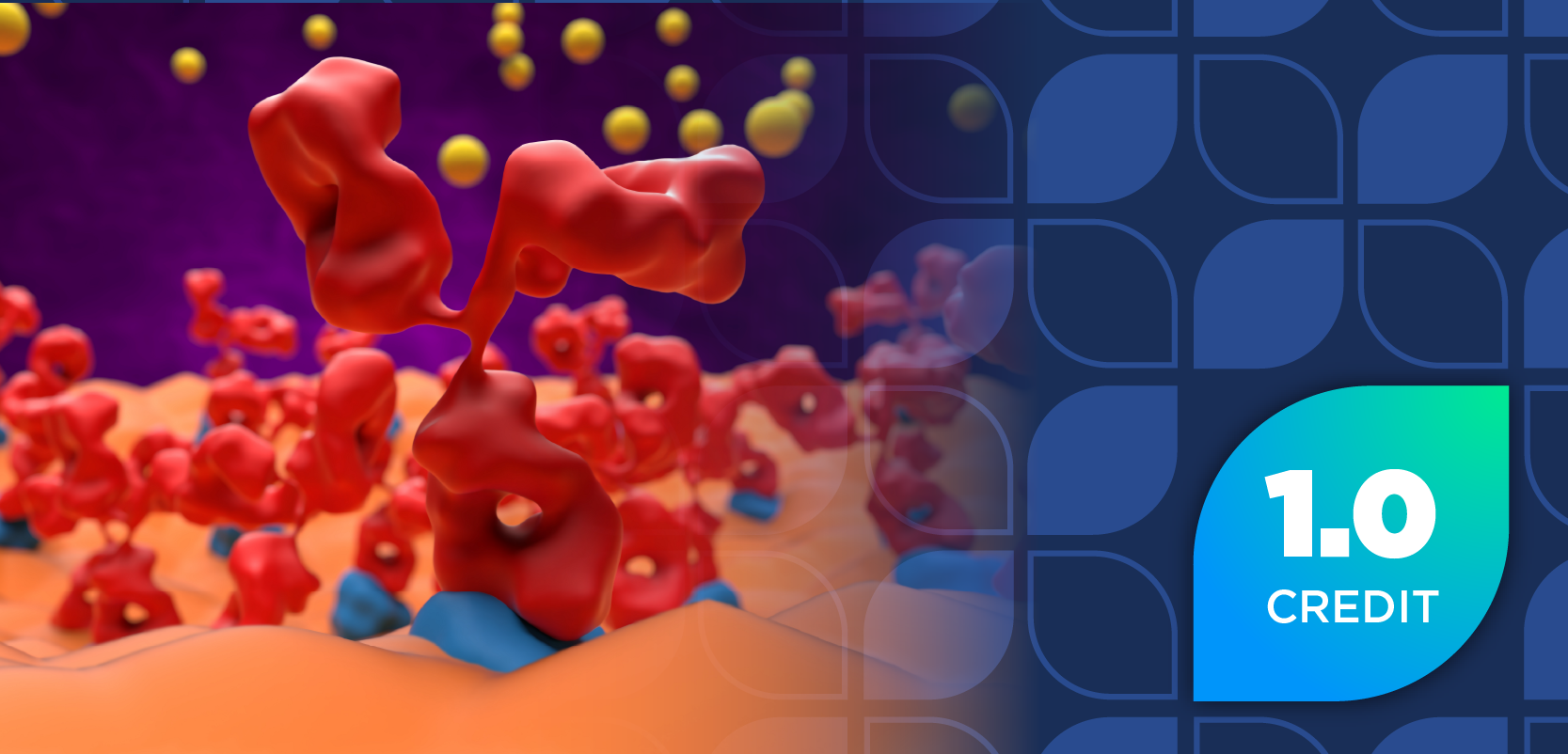
Ravulizumab is a long-acting monoclonal antibody that inhibits complement protein C5, preventing activation of the terminal complement cascade. The therapy is currently approved for several complement-mediated diseases, including paroxysmal nocturnal hemoglobinuria and atypical hemolytic uremic syndrome, but it is not approved for HSCT-TMA.1
Results From Separate Pediatric Trial Show Survival Findings
The negative finding in the primary end point in adults and adolescents is distinct from results observed in the phase 3 ALXN1210-TMA-314 pediatric trial. That global, open-label, single-arm study evaluated ravulizumab plus best supportive care in 41 pediatric patients ranging in age from 28 days to 17 years.1
In the pediatric trial, overall survival was 87.2% at 26 weeks and 73.4% at 52 weeks. Alexion described these results as clinically meaningful and is advancing regulatory submissions for ravulizumab in pediatric HSCT-TMA based on the phase 3 findings and an external-control study.1
The pediatric trial’s primary end point was complete TMA response at 26 weeks, measured through a composite of hematologic and renal parameters. The trial did not include a randomized placebo comparator, making its design and results different from those of the adult and adolescent study.1
Full Results Are Needed to Clarify Clinical Implications
The ALXN1210-TMA-313 findings emerge after the FDA approved narsoplimab-wuug (Yartemlea; Omeros) in December 2025 for adults and children 2 years or older with HSCT-TMA. Narsoplimab became the first FDA-approved treatment specifically indicated for the condition.3
Narsoplimab inhibits mannan-binding lectin-associated serine protease-2, a component of the lectin pathway of the complement system, whereas ravulizumab inhibits C5 within the terminal complement pathway. These therapies therefore target different components of complement-mediated inflammation and endothelial injury.
The FDA approval of narsoplimab was supported by findings from a single-arm, open-label study involving 28 patients, in which 61% achieved a TMA response. Response required improvement in laboratory markers—including lactate dehydrogenase levels and platelet counts—along with improvement in organ function or freedom from transfusion requirements.3
Complete findings from ALXN1210-TMA-313 will be necessary to assess outcomes beyond the missed primary end point, including overall survival, nonrelapse mortality, hematologic and organ responses, infection rates, and outcomes across clinically relevant patient subgroups.
The findings will also help clarify whether any patients with HSCT-TMA experienced clinically meaningful benefit from C5 inhibition despite the absence of a statistically significant improvement in the overall study population.
References
Update on phase III trial of Ultomiris in adults and adolescents with thrombotic microangiopathy after haematopoietic stem cell transplant. News release. AstraZeneca. July 27, 2026.
https://www.astrazeneca.com/media-centre/press-releases/2026/update-on-ultomiris-phase-iii-trial-in-hsct-tma.html Ravulizumab in thrombotic microangiopathy after hematopoietic stem cell transplant. ClinicalTrials.gov. Updated June 18, 2026.
https://clinicaltrials.gov/study/NCT04543591 FDA approves first drug to treat serious complication of stem cell transplant. FDA. Updated January 5, 2026.
https://www.fda.gov/drugs/news-events-human-drugs/fda-approves-first-drug-treat-serious-complication-stem-cell-transplant
Advertisement
Related Content
Advertisement





































































































Advertisement
Advertisement
Trending on Pharmacy Times
1
American Regent Recalls 3 Epinephrine Injection Lots Over Particulate Matter, Sterility Concerns
2
In-Hospital Dapagliflozin Speeds Decongestion in Heart Failure
3
Building a Strong Financial Foundation: 5 Pillars Every Pharmacist Needs Before Optimizing Their Financial Plan
4
CKD Outcome Set Elevates Patient-Reported Measures
5