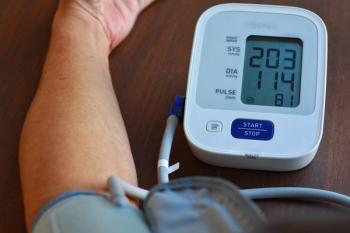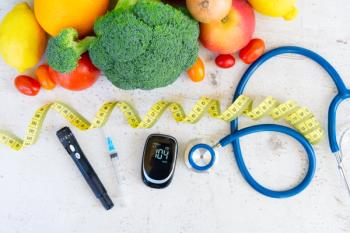
As accessible health care providers, pharmacists can raise awareness about the proper use of OTC blood glucose meters and continuous glucose monitoring devices.
Discover how ENAMEL revolutionizes oral care with eco-friendly, waterless toothpaste tablets made from clean, natural ingredients.
Jordan Harper, DMD, discusses how ENML was founded with a focus on environmental sustainability and clean ingredients, explaining that the company was inspired by the large number of non-recyclable toothpaste tubes that end up in landfills each year. He describes how removing unnecessary components—much like stripping vowels from the word “enamel”—guided the brand’s approach to eliminating preservatives, SLS, and other potential irritants in favor of all-natural, sensitivity-friendly ingredients. Harper also addresses common misconceptions about toothpaste tablets, emphasizing that they are simply a different delivery format for toothpaste and must still be used with brushing. He notes that ENML’s waterless, hydroxyapatite-based tablet was carefully formulated to feel like traditional paste while offering added benefits for plaque removal, and that patient education is key to helping consumers understand both how to use the product properly and why the tablet format can be effective and convenient.
Pharmacy Times: Toothpaste tablets are gaining traction with consumers. What inspired ENML to enter this space, and how do you see this format fitting into the broader oral care landscape?
Jordan Harper, DMD: So we founded ENML on the concept of wanting to be more eco- and environmentally friendly, while also using very clean ingredients. The tablet was the perfect kind of segue to get into that market space, because we throw away something like 1.5 billion tubes of toothpaste a year that get thrown into landfills and are not recyclable.
As we started going down this rabbit hole of creating this company, those statistics were quite alarming, and it was like, okay, we’ve got to do something. So there was something we thought was important—doing a waterless tablet for our products—because you’re not transporting water weight across the country or across the world, which also, ipso facto, makes it more travel-friendly too, because you don’t have to worry about TSA and all that stuff.
That’s kind of how we began the journey and landed on doing a tablet versus doing a traditional formulation of regular paste.
Pharmacy Times: From a dental perspective, what key formulation elements do you prioritize when developing toothpaste tablets to ensure they provide effective, everyday oral health benefits?
Harper: So the key with us was, and the reason we called our company ENML, we stripped out all the useless vowels out of the word “enamel,” and we did the same with toothpaste. The first thing we did was strip back what’s in toothpaste that’s totally unnecessary and not needed—preservatives and that type of thing—so that we could focus on all-natural ingredients, things that are only going to be beneficial and helpful for you and not cause any sensitivities.
We have no [Sodium Lauryl Sulfate] SLS. SLS is a very common tissue irritant in my business, so things like that that will potentially be irritants and problematic for patients, we wanted to remove those and just have the focus on clean, healthy ingredients. There is no fluoride, and there is a focus on a hydroxyapatite formulation that is beneficial to the teeth and the patient.
Pharmacy Times: Education is especially important with newer oral care formats. What are the most common misconceptions you encounter about toothpaste tablets, and how does ENML work to address them?
Harper: The most common misconception I would say I get is that people think they can just chew them and not brush their teeth. It is just a new delivery form of the paste you’re used to, right? I think the other misconception is that we were not the first to the tablet market, but I do think we executed it the best. There are tablets out there, and I get this from patients all the time. They’re like, “Oh, you created toothpaste tablets?” and I’m like, “Yeah.” And they’re like, “Well, I’ve tried toothpaste tablets that are terrible,” because they associate them with chalkiness and powderiness and all that stuff. Until they try ours, and they’re like, “Wait a minute, this is like actual toothpaste.” And it’s like, yeah, that’s the point. We spent a lot of time working on nailing the ratios of the ingredients so that when the consumer uses our product, that first time or two is a little different if you’ve never used a tablet before, but it truly does feel like paste. As far as overcoming those misconceptions, it’s just as simple as educating them and instructing them on how to use it properly and what the benefits are, because the powdery tablet actually does provide some benefit when it comes to plaque removal. You get a little bit of that grittiness, which will help remove some of the plaque on the teeth as well.
Stay informed on drug updates, treatment guidelines, and pharmacy practice trends—subscribe to Pharmacy Times for weekly clinical insights.
Subscribe