

Latest Conference Articles
Advertisement
Biological sex and societal gender factors independently—and differently—influence TBI mortality, discharge destination, and long-term cognitive recovery.
Advertisement
Despite the availability of 4 FDA-approved biologics, the majority of NMOSD patients remain on off-label rituximab.

The menopausal transition alters brain circuitry and estrogen signaling in ways that may elevate risk for Alzheimer disease.

Sex and gender differences remain critically underrepresented in traumatic brain injury clinical guidelines.

Real-world data show pharmacist-driven obesity care models may offer greater improvements in hemoglobin A1C and lipid parameters while supporting multidisciplinary, patient-centered care.
Advertisement

PCOS in female athletes often goes unrecognized due to atypical presentations, requiring careful differentiation, individualized management, and a multidisciplinary approach to protect both performance and long-term health.

Insights on the growth of sports pharmacy and the increasing demand for pharmacist expertise in athlete care.


There is a growing need to integrate pharmacists into sports medicine teams, where their expertise in medication safety, chronic disease management, and supplements can significantly enhance athlete care and performance.
Advertisement
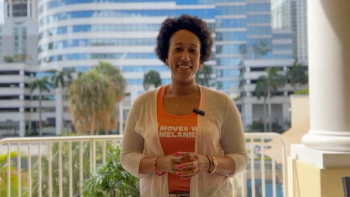
This interview highlights the importance of integrating holistic health, lifestyle coaching, and medication management to create more effective, patient-centered care.

Pharmacists play a critical role in bridging athlete performance and safety, emphasizing foundational health habits, addressing supplement misconceptions, and supporting mental health through frequent, trusted patient interactions.

Travis Tygart, JD, discusses the growing risks of supplements and the critical need for education and vigilance to protect athletes and uphold clean sport.
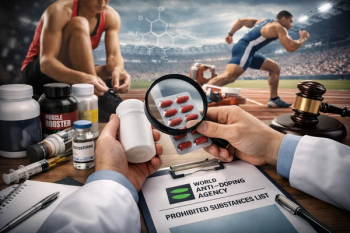

Nilhan Uzman, MS, BPharm, discusses how pharmacists elevate athlete care by guiding safe use of medicines and supplements, debunking “natural” myths, and strengthening clean sport teams.
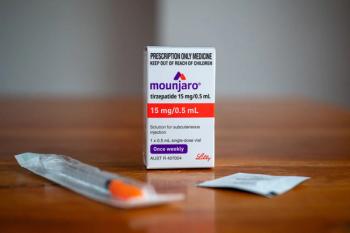
Jennifer Goldman, PharmD, highlights clinical trial data and practical strategies for pharmacists to support initiation, adherence, and adverse effect management with tirzepatide at the American Pharmacists Association Annual Meeting and Exposition.
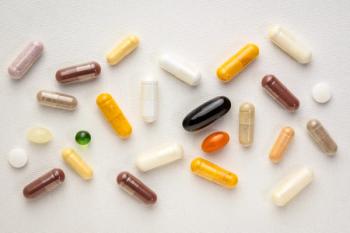
Pharmacists play a critical and evolving role in sports medicine by optimizing medication use, guiding safe supplementation, and delivering personalized, prevention-focused care to support athlete performance and overall health.
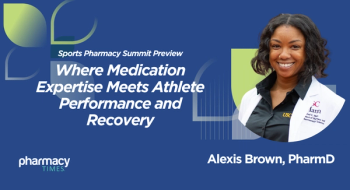
How pharmacists are uniquely positioned to support athlete health, performance, recovery, and regulatory compliance through medication expertise and interdisciplinary care.

Artificial intelligence, real-world data, and patient voices reshape pharmacovigilance, helping pharmacists spot risks faster and strengthen life cycle drug safety.
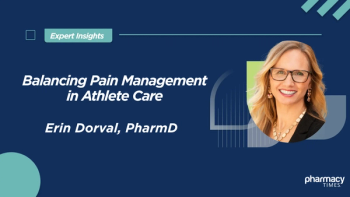
Erin Dorval, PharmD, highlights the pharmacist’s role in safe athlete pain management, emphasizing appropriate NSAID use, alternative therapies, and emerging trends such as personalized care and wearable-driven performance optimization.

Ahead of the Sports Pharmacy Summit, Erin Dorval, PharmD, highlights the pharmacist’s role in optimizing athlete performance and recovery through safe medication use, careful supplement evaluation, and a holistic, risk-minimizing approach to care.
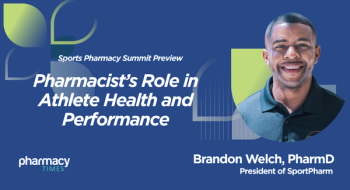
Brandon Welch, PharmD, highlights the expanding role of sports pharmacists in medication safety, anti-doping, and personalized athlete care.

At APhA 2026, Callan Bleick, PharmD, MSc, laid out a stark picture of antimicrobial resistance, vaccine-preventable disease resurgence, and updated treatment guidelines.

A FINEARTS-HF subgroup analysis shows patients with HFpEF and comorbid sleep apnea face a 43% higher adjusted cardiovascular risk.
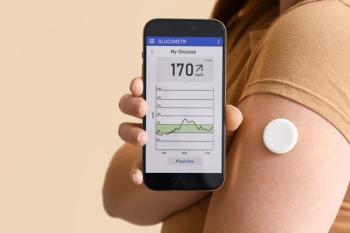
Clinical pharmacist specialists emphasized the pharmacist's role closing the gap between guideline recommendations and patient access to CGMs and automated insulin delivery.

In a phase 2a trial, the oral NLRP3 inhibitor VTX3232 significantly reduced systemic and liver inflammation markers—including hsCRP and IL-6—independent of weight loss, suggesting a promising new approach to lowering cardiovascular risk in patients with obesity.
A phase 3 trial found that the oral PCSK9 inhibitor enlicitide significantly outperformed existing oral therapies in lowering LDL cholesterol.
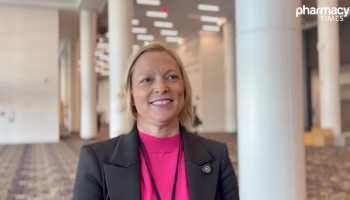
Kelly Gable, PharmD, shares how empathy, presence, and practical guidance can transform patient experiences beyond the medication plan.
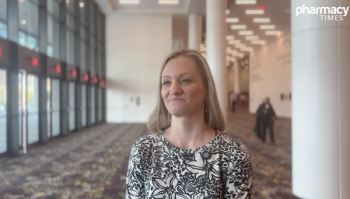
Alex Wolff, PharmD, BCOP, FHOPA, explains how patient populations, delivery models, and safety risks shape real-world implementation.
Advertisement
Advertisement
Trending on Pharmacy Times
1
New Bladder Cancer Regimens Reshape Treatment Across Disease Stages
2
FDA Approves Rebisufligene Etisparvovec as First Gene Therapy for Children With Sanfilippo Syndrome Type A
3
Radioligand Therapy Doesn’t Need to Be Risk-Free—It Needs to Be Worth It
4
FDA Reduces Monitoring Time for First Two Tarlatamab Doses
5