
New 2026 lipid guidelines push earlier screening, PREVENT risk scoring, and tougher LDL/ApoB targets with expanded nonstatin options.
New 2026 lipid guidelines push earlier screening, PREVENT risk scoring, and tougher LDL/ApoB targets with expanded nonstatin options.
New data from the phase 3 DeLLphi-304 trial suggest tarlatamab significantly improves intracranial efficacy outcomes, CNS progression-free survival, and overall survival in patients with relapsed small cell lung cancer (SCLC) and baseline brain metastases.
Jessica Dunne, PhD, discusses why adult type 1 diabetes (T1D) is frequently misdiagnosed as T2D in patients with gestational diabetes mellitus (GDM) and how autoantibody testing could close the diagnostic gap.

Phase 3 frontMIND phase 3 trial data show tafasitamab plus lenalidomide with R-CHOP boosts PFS and has manageable safety in high-risk newly diagnosed DLBCL.
Mary Katherine Cheeley, PharmD, BCPS, CLS, FNLA, highlights key data and events at the 2026 NLA Scientific Sessions.
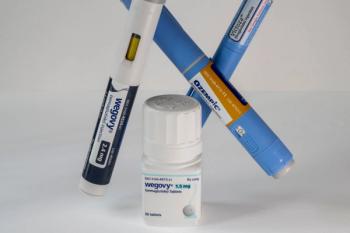
High-dose oral semaglutide pills boost A1C control and double-digit weight loss in diabetes and obesity trials, offering injectable-level results with daily convenience.
Jessica Dunne, PhD, discusses why adult T1D is frequently misdiagnosed as T2D and how autoantibody testing could close the diagnostic gap.
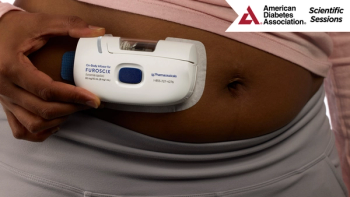
A post hoc analysis of the AT HOME-HF trial found lower hospitalization rates and longer time to admission among patients with diabetes treated with subcutaneous furosemide compared with usual care.
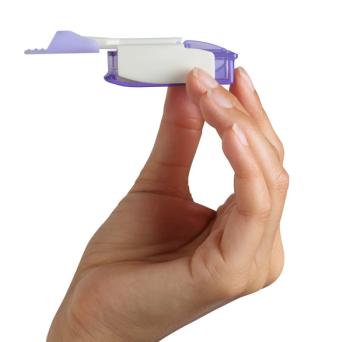
A poster presented at the 2026 ADA Scientific Sessions underscores the importance of individualized dose titration for patients with type 1 diabetes (T1D) utilizing Technosphere inhaled insulin.
New SYNCHRONIZE data signal broad metabolic and hepatic benefits.

A pilot survey presented at ADA Scientific Sessions found that although health care professionals reported high awareness of DSMES, important gaps in actual understanding remain.

Dave Dixon, PharmD, examines why SGLT2 inhibitor and GLP-1 uptake remain low and how pharmacists can bridge the gap between evidence and implementation.
Expert Lance Sloan, MD, MSE, FACE, FASN, FACP, FEAA, FASPC, discusses CATALYST trial data on mifepristone, glucagon-like peptide-1 receptor agonist (GLP-1 RA) resistance, and screening for hypercortisolism in uncontrolled type 2 diabetes (T2D).
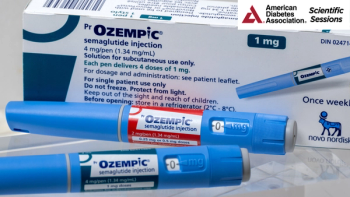
Adding semaglutide to existing regimens in older adults with inadequately controlled T2D significantly reduced HbA1c, fasting blood glucose, body weight, and blood pressure.
Targeted diabetes education improved pharmacists' confidence and competence in addressing clinical inertia, with survey data identifying leading causes of delayed treatment intensification in type 2 diabetes.
John Buse, MD, PhD, breaks down the 2026 American Diabetes Association (ADA) hyperglycemia guidance update, including earlier glucagon-like peptide-1 (GLP-1) receptor agonist and sodium-glucose cotransporter 2 (SGLT-2) inhibitor use and a broader holistic care framework.

Real-world ADA 2026 data shows bempedoic acid add-on lowers major heart risks in type 2 diabetes more than ezetimibe, despite smaller LDL drops.
Jillian Fetzner, MSN, APRN-CNP, described how integrating pharmacists into a collaborative practice agreement processed 3750 diabetes refill requests without provider involvement.
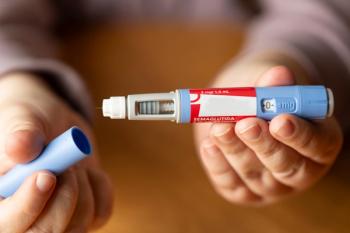
High-dose semaglutide shows improved kidney markers and lowers inflammation in obesity without diabetes, suggesting benefits beyond weight loss.
Dave Dixon, PharmD, breaks down the key cardiovascular and kidney risk management updates in the 2026 ADA Standards of Care and what they mean for pharmacy practice.
Alyson Myers, MD, explains why expanded telehealth access, technology equity, and pharmacist partnerships are essential — not optional.

Both slow and fast transition periods were safe and effective, with minimal adverse events.

A pharmacist-led refill authorization program in endocrinology eliminated 3750 refill requests from provider in-baskets in 2025.

ADA data show CGM plus pharmacist groups helps seniors with type 2 diabetes prevent hypoglycemia, boost confidence, and prompt safer meds.
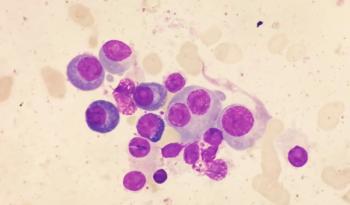
Elranatamab monotherapy produced a 92% overall response rate and a 45% complete response rate in patients with high-risk smoldering multiple myeloma, supporting the potential of BCMA-directed bispecific antibody therapy as an early intervention strategy before progression to active disease.

The inaugural Joint MAD-ID/SIDP Annual Meeting was a celebration of learning and networking and focused on the educational needs of infectious diseases pharmacist specialists.

Darovasertib plus crizotinib boosts survival signals and response rates in HLA-A2–negative metastatic uveal melanoma, with manageable safety.

Results from the SERENA-6 trial show that an early switch to the oral selective estrogen receptor degrader camizestrant combined with a CDK4/6 inhibitor improves progression-free survival 2, delays chemotherapy, and preserves quality of life.

The FDA granted Priority Review to the NDA for bezuclastinib plus sunitinib in previously treated advanced gastrointestinal stromal tumors (GIST).

Updated results from a phase 1 study showed that KLN-1010 produced reduced MRD-negative responses in all treated patients with RRMM.