

Pharmacists are central to implementing bispecific antibody therapies through clinical expertise, operational leadership, and care coordination.
Pharmacists are central to implementing bispecific antibody therapies through clinical expertise, operational leadership, and care coordination.
Fran Gregory, PharmD, outlines the expanding landscape of advanced therapies and the pivotal role specialty pharmacies play in bringing these complex treatments to community-based providers and patients.

Pharmacists support evidence-based treatment decisions, coordinate multidisciplinary care, and optimize precision oncology outcomes.

In a session at the Asembia AXS26 Summit, Harry Travis discusses how AI is transforming every step of the prescription process faster than the profession is prepared for.

Integrated EMR systems and coordinated pharmacy operations can streamline biomarker-driven treatment decisions and improve patient outcomes.

Pharmacists play a crucial role in the treatment of patients with chronic myeloid leukemia (CML) taking tyrosine kinase inhibitors.

Pharmacists can help standardize biomarker testing and improve access to targeted therapies in non–small cell lung cancer.

Pharmacists can help optimize TKI therapy in CML through education, adherence support, toxicity monitoring, and collaboration with care teams.

Bispecific antibodies are reshaping multiple myeloma care through improved safety and expanded outpatient use.

At AXS2026, pharmacy and health care leaders explored how AI is transforming specialty care and why standards, trust, and oversight must keep pace with innovation.

Craig Beavers and Kyle Fischer debrief on key late-breaking cardiovascular trials from the 2026 American College of Cardiology Scientific Sessions.

Combining AI-driven insights with human-first outreach can overcome the emotional and behavioral barriers driving specialty medication nonadherence.

Sports Pharmacy Summit unites global experts on anti-doping, supplement safety, and data-driven performance to protect athlete health.

Rapport Therapeutics' RAP-219 achieved seizure freedom in 24% of patients with drug-resistant focal epilepsy over 8 weeks in a phase 2 trial.
A cognitive neurologist outlines the current Alzheimer disease treatment landscape.

How community oncology practices are expanding access to innovative therapies while navigating reimbursement and care delivery challenges.


AI is delivering immediate clinical value in neurology—from ambient scribes and clinical decision support to trial recruitment and medical education.
A Harvard population health researcher presents findings linking adolescent food insecurity to a cluster of brain health risk factors.
Ecopipam reduces Tourette tic relapse risk by approximately 50% with durable control and no movement-related adverse effects.

AACR data show tumor molecular profiling finds actionable PIK3CA in breast and colorectal cancer, while ctDNA adds real-time monitoring in oncology.
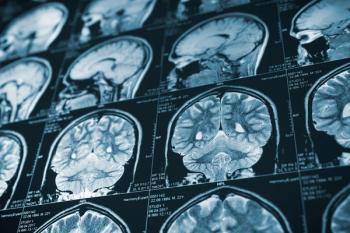
Phase 3 data show quarterly cemdisiran injections improve gMG symptoms, either and matches or outperforms all study end points compared to combination therapy.

Cannabidiol may have broader applicability across genetic developmental and epileptic encephalopathies (DEEs).

Bocunebart, a novel anti-PACAP antibody, targets a distinct neurological pathway from existing CGRP therapies.
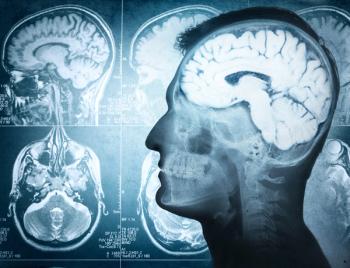
Phase 3 METEOROID shows IL-6 blocker satralizumab cuts MOGAD relapses 68%, with rapid onset and placebo-like safety.

Cemdisiran’s RNA-targeting mechanism is a compelling new option in the generalized myasthenia gravis treatment landscape.

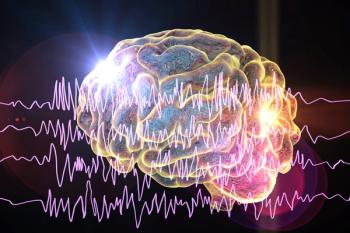
The research highlights the influence of hormonal changes on treatment selection and the need for more tailored, life stage–specific care.
The data, which were presented at the AAN 2026 Annual Meeting, support the agents’ neurological safety, but longer follow-ups and dedicated outcome trials are needed to confirm these findings.
Phase 3 SYMPHONY clinical trial data show reboxetine eases narcolepsy type 1 symptoms, improving functional impairment due to excessive daytime sleepiness (EDS) as well as mood symptoms.