Commentary|Podcasts|May 20, 2026

Innovations in Psychiatric Pharmacotherapy From the AAPP Annual Meeting

Three psychiatric pharmacists highlight trends in psychiatric pharmacotherapy that were shared at the AAPP 2026 Annual Meeting.

Key Takeaways

1. New psychiatric treatments are expanding options but require real-world context. Emerging therapies—such as sublingual dexmedetomidine, lumateperone, and xanomeline-trospium—offer novel mechanisms, improved tolerability, and alternative administration routes. However, clinicians are still determining where these agents fit in practice, making shared clinical experience and practical insights critical for informed use.

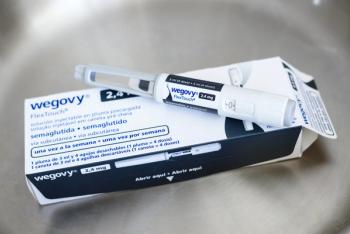
2. Innovative research is reshaping how clinicians think about psychiatric and substance use treatment. GLP-1 receptor agonists are gaining attention for substance use disorders, with early evidence suggesting they may reduce addictive behaviors by acting on reward pathways. While still investigational, this highlights a broader shift toward targeting underlying neurobiology rather than just symptoms.

3. Pharmacists play a central role in navigating evolving care models and improving patient outcomes. From optimizing clozapine monitoring after REMS changes to implementing long-acting injectable antipsychotics, pharmacists are key in balancing safety, access, adherence, and education. Their involvement is essential as treatment options become more complex and patient-centered.

In this episode of Pharmacy Focus, moderator Bob Haight, PharmD, BCPP, AAPP Annual Meeting director and past president of American Association of Psychiatric Pharmacists (AAPP), discusses the AAPP 2026 Annual Meeting with Archana Jhawar, PharmD, BCPP, clinical assistant professor at the University of Illinois Chicago; and Chelsea Di Polito, PharmD, BCPP, psychiatric clinical pharmacist at the University of Maryland, Baltimore. The discussion centers on emerging trends in psychiatric pharmacotherapy across diverse practice settings. A major focus is on newer psychiatric medications, including sublingual dexmedetomidine for acute agitation, which offers a novel, patient-friendly administration route and potential benefits for inpatient care. Additional discussion covers agents like lumateperone and xanomeline-trospium, with attention to their safety profiles, tolerability, and evolving roles in treatment. The speakers emphasize the importance of real-world experience in determining how these newer therapies fit into clinical decision-making, especially given considerations like cost, monitoring requirements, and patient-specific factors.

The episode also explores cutting-edge research and practice challenges, including the growing interest in GLP-1 receptor agonists for substance use disorders. While still considered “unproven but promising,” early data suggest these agents may reduce addictive behaviors by modulating reward pathways rather than through traditional metabolic effects. Additional highlights include evolving strategies for clozapine monitoring following REMS changes, where pharmacists play a central role in balancing safety and access, and advancements in long-acting injectable antipsychotics that improve flexibility, adherence, and patient-centered care. Across all topics, a consistent theme emerges: the expanding range of treatment options requires clinicians to stay informed, adaptable, and focused on individualized care. The speakers conclude that AAPP’s annual meeting provides a valuable forum for translating emerging evidence into practical strategies that can be immediately applied in clinical practice.

Read more about the AAPP here: https://aapp.org/ed/meeting/2026

Additional information on the AAPP Annual meeting can be found here: https://aapp.org/


Latest CME