Phase 2b data from EASD 2026 show the amylin-incretin combination also cut HbA1C by up to 2.9% in adults with obesity or overweight and type 2 diabetes.
Community pharmacists emerged as the critical clinical link in the modern patient care continuum
The Los Angeles Convention Center was filled with energy, networking, and insights from March 27 to March 30, 2026, as thousands of pharmacy professionals gathered for the American Pharmacists Association (APhA) Annual Meeting and Exposition. The theme of the meeting was clear: In an era of rapid pharmacologic advancement and shifting public health threats, the community pharmacist is no longer just a medication dispenser but also a high-impact clinical navigator for the health care system.
A major cornerstone of the meeting was the recognition of cardiovascular-kidney-metabolic (CKM) syndrome as an interconnected disease spectrum. Craig Beavers, PharmD, FACC, FAHA, FCCP, BCCP, BCPS-AQ Cardiology, CACP, a cardiovascular clinical pharmacist and vice president of operations at Baptist Health Paducah, emphasized that treating obesity, diabetes, hypertension, and kidney disease in isolation often fails to address the cross-system burden.1
“It doesn’t matter what setting we’re in. How do we better suit our patients and break down those silos?” Beavers asked attendees during his presentation. He highlighted the Predicting Risk of Cardiovascular Disease Events (PREVENT) calculator, noting that traditional risk scores can underpredict risk by 2 to 3 times in these patients.1
Real-world evidence presented in the poster hall reinforced this clinical necessity. One study conducted at McDowell’s Pharmacy in rural Rocky Mount, North Carolina, found that sustained pharmacist engagement led to a clear dose-response reduction in hemoglobin A1c. Patients with 6 or more pharmacist visits saw a reduction of 0.47 percentage points, nearly double that of patients with only 1 or 2 visits. Similarly, a stroke prevention service at Moose Pharmacy in Salisbury, North Carolina, demonstrated that motivational interviewing and biometric monitoring could shift 20% of high-risk patients into the low-risk category. These findings suggest that community pharmacies are the ideal “CKM intervention hub,” particularly in rural areas where access to specialists is limited.2
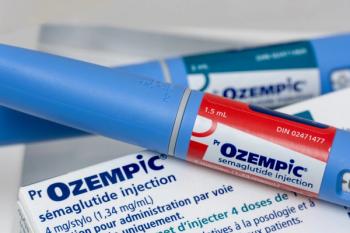
The explosion of glucagon-like peptide-1 (GLP-1) receptor agonists was another dominant topic, with Emily Eddy, PharmD, BC-ADM, CDCES, associate professor of pharmacy practice and director of clinical services at Ohio Northern University, declaring that these agents have evolved from helpful diabetes drugs to “real game changers.”3
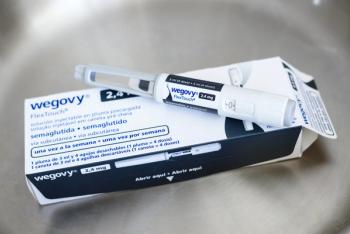
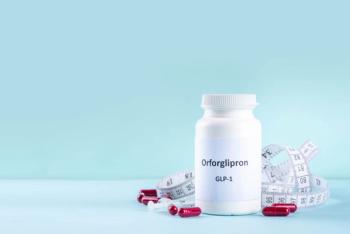
“I’ve now approached patients not just treating diabetes but treating underlying metabolic problems,” Eddy told the audience. She detailed the arrival of oral semaglutide 25 mg (Wegovy; Novo Nordisk) and the much-anticipated orforglipron (Foundayo; Eli Lilly and Company), a nonpeptide oral agent with no food or water restrictions—a major practical victory for patient adherence.3
Eddy’s session also looked beyond weight loss, highlighting the ESSENCE trial (NCT04822181), which showed semaglutide 2.4 mg could resolve steatohepatitis without worsening fibrosis in patients with metabolic dysfunction-associated steatohepatitis. She also touched on emerging data for alcohol use disorder and Alzheimer disease, areas of particular promise outside the weight loss and glycemic control spaces. Although some data are still early, Eddy noted that pharmacists are uniquely “poised to help people navigate all of that health information and make sure we’re making the right choices.”3
As pharmacotherapy evolves, so does the technology to deliver it. A session led by Katelyn O’Brien, PharmD, BCPS, CDCES, BC-ADM, a clinical pharmacist at Boston Medical Center, and Casey Wells, PharmD, BCACP, CDCES, CPP, an internal medicine and endocrinology clinical pharmacist at Mountain Area Health Education Center, addressed the paradigm shift of bringing automated insulin delivery (AID) and continuous glucose monitoring to the type 2 diabetes (T2D) population.4
Wells pointed out that over 80% of patients with T2D on multiple daily injections fail to meet hemoglobin A1c (HbA1c) goals. She challenged the traditional gatekeeping of pump therapy, stating: “People who have lower cognitive function, who are not carb-aware, who struggle with the diabetes math—these are not reasons to avoid AID therapy. These are exactly the reasons to recommend it.”4
The speakers emphasized that retail pharmacists are the front line for catching prescribing errors, such as incompatible pod kits, and should feel empowered to initiate the AID conversation with any struggling patient.
“The algorithm removed one of those barriers that was preventing her from getting to goal,” Wells explained, recounting a patient whose HbA1c dropped from 9.7% to 7.6% within 4 weeks of initiating AID.4
Finally, the evolving landscape of infectious diseases and antimicrobial resistance (AMR) provided a sobering reality check. Callan Bleick, PharmD, MSc, warned: “Bugs are adapting. They’re not taking a break.” She highlighted a 460% increase in
Bleick also addressed the resurgence of measles, with 2026 cases already on pace to break records, mostly among the unvaccinated. She called on pharmacists to serve as “infectious disease sentinels,” saying that because pharmacists encounter scores of patients with minor ailments daily, they can detect patterns of treatment failure or unusual infection clusters long before formal surveillance networks. “Stewardship doesn’t just happen in hospitals,” Bleick concluded. “It starts with us, at the pharmacy, in the everyday decisions and questions we ask.”5
As the APhA 2026 drew to a close, the takeaway for health care professionals was undeniable: The modern pharmacist is a critical clinical cornerstone of the US health system, charged with translating complex new evidence into tangible, lifesaving patient care.
5 months ago
Oral GLP-1 Orforglipron Is Approved for ObesityStay informed on drug updates, treatment guidelines, and pharmacy practice trends—subscribe to Pharmacy Times for weekly clinical insights.
Subscribe