

Data presented at ASCO 2026 show giredestrant plus palbociclib extends PFS in ER+/HER2– metastatic breast cancer; FDA approval is on the horizon.
Data presented at ASCO 2026 show giredestrant plus palbociclib extends PFS in ER+/HER2– metastatic breast cancer; FDA approval is on the horizon.

ASCENT-04 updated data show sacituzumab govitecan plus pembrolizumab extends benefit past progression in PD-L1+ metastatic TNBC.
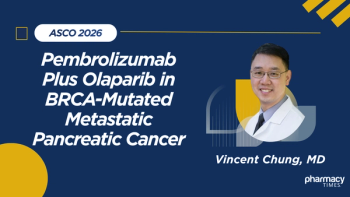
Findings from the SWOG S2001 trial show that pembrolizumab plus olaparib did not significantly improve progression-free survival compared with olaparib alone as maintenance therapy in patients with metastatic pancreatic cancer harboring germline BRCA1/2 mutations.
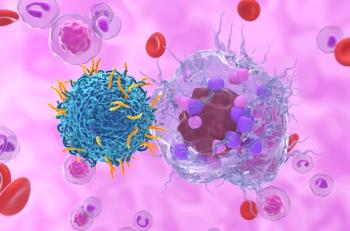
An RNA- and lipid nanoparticle–based platform derived from non-LTR transposons enables stable in vivo CAR T-cell engineering.

Elizabeth Budde, MD, discusses the phase 3 data behind the mosunetuzumab plus polatuzumab vedotin combination in the SUNMO trial.

Electronic patient-reported outcome (ePRO) monitoring platforms may improve symptom management, reduce hospitalizations, and help patients remain on cancer therapy longer through earlier intervention and continuous remote support.

ASCO 2026: Daraxonrasib boosts survival and PFS in metastatic pancreatic cancer vs chemotherapy, with better tolerability and quality-of-life preservation.

ASCO 2026 data show encorafenib plus cetuximab with FOLFIRI boosts response and PFS in BRAF V600E mCRC, complementing FOLFOX.

Findings presented at the 2026 Joint ASTCT + EBMT Basic and Translational Scientific Meeting offer potential therapeutic targets to reduce GI toxicity and GVHD.
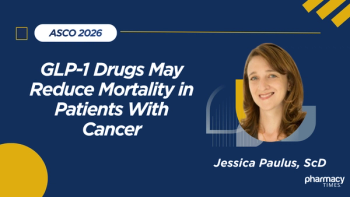
Jessica Paulus, ScD, discusses emerging real-world evidence suggesting GLP-1 receptor agonists may be associated with improved survival outcomes across several cancer types, while emphasizing the need for prospective clinical research.

Phase 3 SARC041 data show that abemaciclib sharply extends progression-free survival in advanced dedifferentiated liposarcoma, hinting at a new standard.

The trial met both dual primary end points of pathologic complete response and metastasis-free survival.
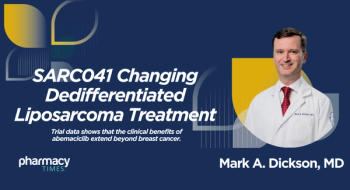
SARC041 data shows the clinical benefits associated with abemaciclib in the treatment of patients with incredibly rare diseases.
Apalutamide plus androgen deprivation therapy significantly increased the curative success of radical prostatectomy in patients with localized prostate cancer.

At ASCO 2026, GLORA investigators report on lisaftoclax as an addition to BTK inhibitors to deepen responses and delay progression in high-risk CLL/SLL.

Seven-year CROWN trial update shows lorlatinib delivers durable progression-free survival and strong brain control in ALK-positive NSCLC.

APP-led benign hematology consult programs helped community oncology practices significantly reduce time to first appointment while strengthening interdisciplinary collaboration with pharmacists and physicians.
DREAMM-9 data show belantamab mafodotin in TI NDMM delivers high responses, with longer dosing improving eye safety and quality of life.

Enfortumab vedotin combination delivers lasting complete responses in la/mUC.

ASCO 2026 data show perioperative enfortumab vedotin plus pembrolizumab boosts EFS, OS, and pCR in cisplatin-eligible MIBC.

ASCO 2026: Glofitamab monotherapy shows durable remissions in relapsed mantle cell lymphoma after BTKi, with manageable CRS.

At ASCO 2026, CHRYSALIS-2 data show amivantamab plus lazertinib extends survival in atypical EGFR-mutated NSCLC, reshaping first-line care.
New findings suggest that differences in immune reconstitution kinetics may drive variations in graft-versus-host disease incidence, infection risk, and overall survival.
This interview discusses emerging immunotherapy trends at the 2026 ASCO Annual Meeting, including cancer vaccines, cell-based therapies, ADCs, and AI-driven immune profiling tools poised to reshape oncology care.

Subgroup data show ofatumumab sharply cuts relapses, MRI lesions, and neurodamage markers in highly active relapsing MS vs teriflunomide.

Genetic analysis links low vitamin D and earlier menarche to higher AQP4-IgG NMOSD risk, reshaping prevention and sparking calls for diverse studies.

New data show ublituximab boosts MS quality of life fast and may start in 1 infusion for relapsing multiple sclerosis.

New data show cladribine tablets deliver strong relapse control and reassuring safety in older adults with relapsing multiple sclerosis, including 65 years and older.

Frexalimab shows 3-year MRI and relapse control in relapsing multiple sclerosis with stable immunity and reassuring safety.

Proteomic liquid biopsy technology may improve early breast cancer detection, guide targeted therapy selection, and support longitudinal treatment monitoring in oncology care.