
Evolocumab produced a 31% relative risk reduction in major cardiovascular events.
Evolocumab produced a 31% relative risk reduction in major cardiovascular events.
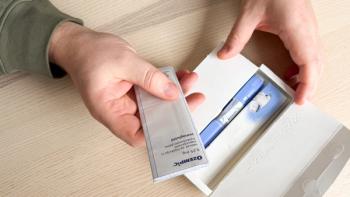
From a pipeline exploding with oral and injectable options to emerging evidence in liver disease, substance use disorder, and kidney disease, Emily Eddy, PharmD, laid out the full scope of incretin therapy's expanding reach at APhA2026.

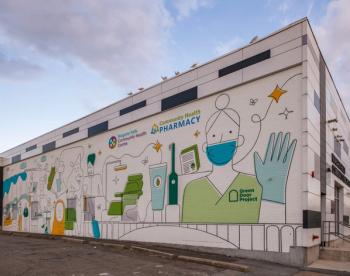
New data show that pharmacist-led interventions in independent community pharmacies can move the needle on A1C, blood pressure, and stroke risk, even in rural and underserved settings.

SCOUT-HCM trial showed that mavacamten reduced left ventricular outflow tract obstruction in adolescents with obstructive HCM.

The trial's success offers the first robust evidence for targeted pharmacologic intervention in adolescent oHCM.
The CADENCE trial showed that sotatercept reduced pulmonary vascular resistance and improved right ventricular function in CPC-PH.
Finerenone consistently reduces heart failure events and cardiovascular death regardless of ischemic heart disease history, according to the FINEARTS-HF trial.

The KARDINAL trial demonstrated meaningful angiotensinogen reduction with a novel monthly injectable therapy.
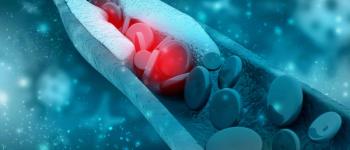
For decades, the medical community has operated under a reactive model for the most potent cholesterol-lowering drugs, largely reserving them for secondary prevention.
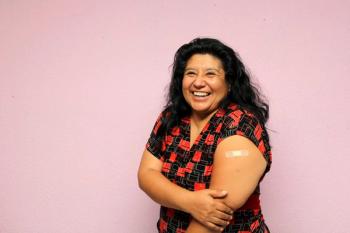
At APhA 2026, Damika Walker, PharmD, RPh, argued that closing stubbornly low adult vaccination rates requires a shift in how pharmacists approach every patient encounter.

The findings emphasize that when it comes to the complex machinery of human blood pressure, more drug is not always better.
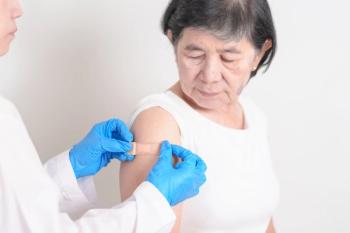
With updated recommendations for adults aged 50 and older, pharmacy teams are uniquely positioned to bridge gaps in care through community engagement and proactive clinical assessments.
The 2026 guidelines bring clinically meaningful updates to specific LDL-C targets, risk calculation, earlier intervention strategies, and expanded use of ApoB.
Gene and cell therapies are reshaping clinical workflows—and pharmacists are becoming essential guides in that shift.
Pharmacists and clinicians share strategies to streamline training, collaboration, and patient care with BTCEs.
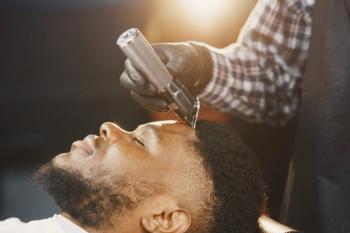
A community-based initiative is proving that the path to heart health for Black men may not start in a physician’s office, but in the barber’s chair.
Disease burden, monitoring strategy, and timing of therapy drive CRS risk and management.

Historically, dulaglutide was a preferred choice because it was proven to reduce major adverse cardiovascular events in the REWIND trial.
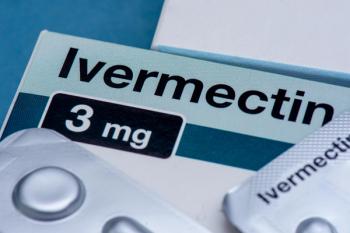
Ivermectin, fenbendazole, and mebendazole have gained traction as alternative cancer therapies despite a lack of clinical evidence.

The RECOVER-AUTONOMIC trial underscores the necessity of better clinical end points to assess interventions in the long COVID population.
Experts discuss immunotherapy overlap, nutrition challenges, and clinical judgment with GLP-1 RA use.

CHAMPION-AF may potentially lead to a shared decision-making process between a lifetime of medication and a one-time catheter-based procedure.
Formal preceptor leadership pathways can reduce RPD burden and improve resident support across programs.
Oncology pharmacists face profound ethical tensions, often without formal training to navigate them.

Survivor and pharmacist Kelly Gable, PharmD, BCPP, FAAPP, explains the overlooked challenges shaping patients’ day-to-day lives.

In a session at the American Pharmacists Association Annual Meeting, Craig Beavers, PharmD, FACC, FAHA, FCCP, BCCP, BCPS-AQ Cardiology, CACP, provided practical insights for pharmacists to optimize the care of patients with cardio-kidney-metabolic conditions.