

Amid the evolving landscape of MS treatments, there is an increasing emphasis on strategic approaches to early intervention and switching therapies.
Amid the evolving landscape of MS treatments, there is an increasing emphasis on strategic approaches to early intervention and switching therapies.

Phase 3 UTOPIA trial shows UGN-103 intravesical mitomycin after TURBT achieves 78% complete response with favorable safety.

ASCO pooled phase 3 data show that pirtobrutinib in treatment‑naive CLL/SLL delivers 93% responses, durable control, and low cardiac risk.
Joe DePinto of McKesson outlines the workflow barriers slowing CGT migration to community oncology, the reimbursement reforms needed to scale access, and the pharmacist’s pivotal role in making it all work.
Joe DePinto of McKesson discusses how payers, providers, and employers diverge on CGT reimbursement—and why outcomes-based payment models may hold the key to broader patient access.
Community pharmacists emerged as the critical clinical link in the modern patient care continuum

Real-world data reveal that moderate to severe depression is linked to poor control and adherence, and women are more likely to be impacted.
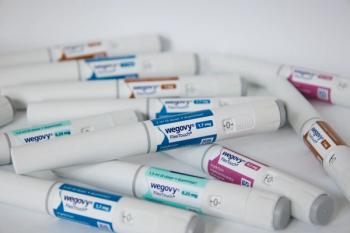
GLP-1 receptor agonists may reduce asthma flare-ups in nondiabetic adults with obesity, hinting at anti-inflammatory benefits.
Jessica Geiger, PharmD, weighs ketamine in palliative care—pain relief, opioid-sparing evidence, stigma, and safety considerations for hospice patients.

Ashlan Kunz Coyne, PharmD, MPH, discusses treating Pseudomonas–Stenotrophomonas coinfections, co-culture insights, and smart empiric therapy amid rising resistance.

Three psychiatric pharmacists highlight trends in psychiatric pharmacotherapy that were shared at the AAPP 2026 Annual Meeting.
Pharmacists push antimicrobial stewardship into clinics and long-term care, tackling antifungal resistance, rapid diagnostics, vaccines, and public health leadership.

Kunz Coyne expresses interest in antimicrobial stewardship discussions at the joint MAD-ID/SIDP meeting as clinicians continue refining their role in practice.

Pharmacists lead antifungal and antibiotic stewardship beyond hospitals, using rapid diagnostics, vaccines, and equity to curb resistance.
Technician-led strategies are accelerating antiretroviral therapy access and improving long-term adherence for patients with HIV.

In this debut episode Erica Marini and her colleagues discuss the critical role pharmacists play in complex neurologic care and the latest emerging therapies and research presented at the AAN 2026 Annual Meeting.

Expanding education, safety responsibilities, and patient support roles are elevating the importance of pharmacy technicians in cancer care.
Education, safety protocols, and evolving responsibilities are transforming the role of pharmacy technicians in cancer care.
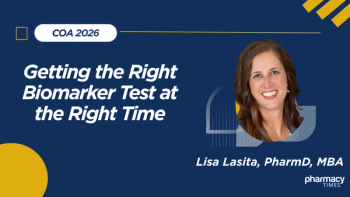
Optimizing biomarker testing workflows and pharmacist involvement can improve precision oncology decision-making in non–small cell lung cancer.
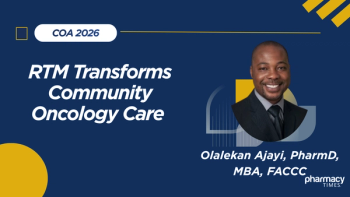
Remote therapeutic monitoring (RTM) improves patient outcomes, reduces hospitalizations, and supports sustainable oncology care delivery.

CVS Specialty leaders detailed how clinical expertise, predictive analytics, and EHR connectivity are accelerating therapy starts and improving patient outcomes.
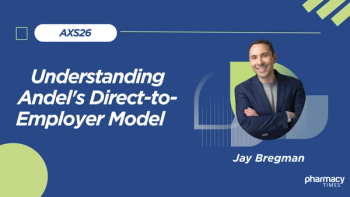
Andel's direct-to-employer model partners with Eli Lilly and other pharma companies to offer flexible, insurance-free GLP-1 access that benefits employers, patients, and manufacturers.

Data from COA highlight operationalizing novel therapies in community cancer care.
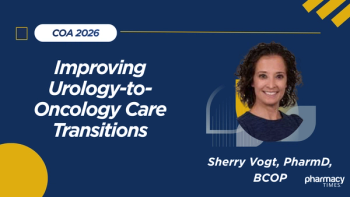
Pharmacists help prevent communication breakdowns and improve coordination across oncology care teams.
Advanced therapy innovations are transforming cancer care but are outpacing delivery systems and community providers with specialty pharmacy support are the key to bridging the gap.
The need for data-driven, multidisciplinary care and the critical role of pharmacists in managing the growing complexity of oncology treatment
Pharmacists are enabling the shift to outpatient bispecific antibody care through education, SOP development, and care coordination.

GoodRx CCO Laura Jensen discusses how e-commerce, GLP-1 demand, and a fragmented health care system are driving a new era of direct-to-patient, cash-based pharmacy access.

COA 2026 reveals how bispecific antibodies transform lymphoma care—outpatient workflows, SOPs, and infection vigilance shape safe BTCE delivery.

Postate cancer care shifts toward personalized, team-based management in an increasingly complex therapeutic landscape.