
This OPC interview discusses practice-changing updates from ASCO and EHA, including advances in bispecific antibodies, breast cancer treatment strategies, and multiple myeloma sequencing considerations.
This OPC interview discusses practice-changing updates from ASCO and EHA, including advances in bispecific antibodies, breast cancer treatment strategies, and multiple myeloma sequencing considerations.
Chris Van Norman discusses how technology, automation, and dedicated frontline teams keep the company's supply chain resilient and patient-focused.

This abstract was presented at the Oncology Pharmacists Connect (OPC) meeting in Austin, Texas, from June 18 to 19, 2026.

Oncology pharmacists step into precision care—tracking mRNA vaccines, frailty-guided supportive therapy, NGS actionability, and new thoracic targets.

Two pharmacy owners share real-world strategies for integrating artificial intelligence (AI) and automation to boost efficiency, expand clinical capacity, and elevate patient care.
Nancy Lyons, vice president and chief pharmacy officer at Health Mart, explains how McKesson Amplify and pharmacist-told patient care stories are driving advocacy wins for independent pharmacies at the state and federal levels.

New GI cancer data highlight emerging targeted therapies, ctDNA-guided surveillance, and pharmacist-led workflows to boost outcomes.
This interview discusses candidate selection, toxicity monitoring, access considerations, and evolving clinical applications of menin inhibitors in acute myeloid leukemia (AML).
How oncology pharmacists evaluate emerging clinical data, overcome implementation barriers, and stay current with rapidly evolving advances in precision oncology.

This abstract was presented at the Oncology Pharmacists Connect (OPC) meeting in Austin, Texas, from June 18 to 19, 2026.

This abstract was presented at the Oncology Pharmacists Connect (OPC) meeting in Austin, Texas, from June 18 to 19, 2026.

New breast cancer trial insights reshape metastatic care: Sacituzumab benefits broadly, oral SERDs lag, and denosumab every 12 weeks suffices.
Niki Shah, MHSA, MBA, CCHW, discusses how Project Oasis, a new diabetic retinopathy screening pilot, and the company's Community Health Worker scholarship program are working together to reduce barriers to care in under-resourced communities
From artificial intelligence (AI)-driven dispensing to specialty service diversification, Jaime Montuoro, PharmD, previews the education lineup at McKesson ideaShare 2026.

Oncology pharmacists decode 2026 ASCO/EHA breakthroughs, from breast cancer to myeloma, highlighting real-world steps for safer, faster care.
The growing role of biomarker-driven treatment selection in breast cancer and how pharmacists can help optimize therapy sequencing, toxicity management, and personalized care.
Key distinctions among bispecific therapies, toxicity management considerations, and the pharmacist’s role in safely implementing these agents across academic and community oncology settings.

McKesson ideaShare 2026 brings independent pharmacy's premier gathering to Denver, June 18-21, with Pharmacy Times on-site for exclusive interviews and coverage.

Minimal residual disease (MRD) negativity exceeded 90% with 100% response and no progression in patients with treatment-naive chronic lymphocytic leukemia/small lymphocytic lymphoma (CLL/SLL).

This abstract was presented at the Oncology Pharmacists Connect (OPC) meeting in Austin, Texas, from June 18 to 19, 2026.

This abstract was presented at the Oncology Pharmacists Connect (OPC) meeting in Austin, Texas, from June 18 to 19, 2026.

This is an encore presentation from the 2025 American Pharmacists Association Annual Meeting and Exposition in Nashville, Tennessee. This abstract was presented at the Oncology Pharmacists Connect (OPC) meeting in Austin, Texas, from June 18 to 19, 2026.

Data showed that talquetamab combined with daratumumab, with or without pomalidomide, significantly improved PFS, OS, response rates, and MRD negativity.

Identifying high-risk patients, optimizing lipid-lowering therapy, and helping patients achieve evidence-based targets remain critical to improving cardiovascular outcomes.
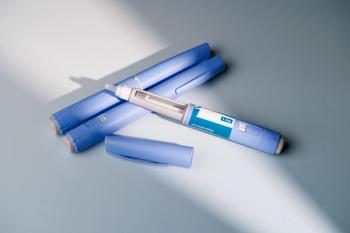
The ADA Scientific Sessions highlighted important advances across the diabetes treatment landscape.

Phase 3 REIMAGINE data presented at ADA 2026 show the amylin–GLP-1 combination bests semaglutide monotherapy across type 2 diabetes stages, with implications for pharmacist-managed diabetes care.
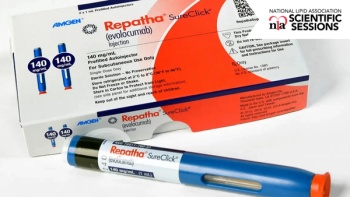
TIMI Study Group investigators presented new VESALIUS-CV data showing that intensive LDL-C lowering with evolocumab reduces major cardiovascular events, reinforcing the "lower is better, earlier is better" approach to lipid management.

European Hematology Association 2026 data show sonrotoclax plus zanubrutinib drives rapid, durable undetectable minimal residual disease in frontline chronic lymphocytic leukemia, even in patients with TP53 mutations and 17p deletions.

The landscape of cardiovascular prevention is shifting from a focus on surrogate biomarkers to a more granular, image-based assessment of actual disease burden.

Data presented at the 2026 European Hematology Association Congress continue to support venetoclax plus obinutuzumab as a first-line treatment for patients with chronic lymphocytic leukemia.