
Douglas Adkins, MD shares key data and findings from the phase 3 KEYNOTE-689 study.
Douglas Adkins, MD shares key data and findings from the phase 3 KEYNOTE-689 study.

A panel of health care experts at Asembia’s AXS25 Summit discussed the critical need for improved patient education and resources to help navigate complex financial assistance programs and health care plans.

The Inflation Reduction Act of 2022 (IRA) drug negotiation provisions will fundamentally reshape Medicare drug pricing, provider reimbursement, and health care delivery dynamics across Part B and commercial markets, according to panelists at Asembia’s AXS25 Summit.
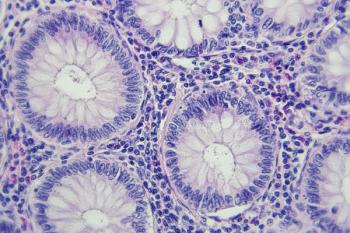
Sasha Watson, PharmD, BCOP, discusses the emerging role of circulating tumor DNA (ctDNA) in colon cancer, highlighting its potential to enhance precision oncology by improving early detection, guiding adjuvant therapy decisions, and monitoring disease recurrence and treatment resistance.

Explore the role of JAK inhibitors in myelofibrosis treatment, focusing on optimizing dosages and managing adverse effects for better patient outcomes.

Specialty pharmacies can leverage advanced analytics, AI, and comprehensive data insights to create targeted clinical programs.

Specialty distributors provide strategic partnerships that enhance pharmaceutical manufacturers' ability to bring innovative medicines to market.
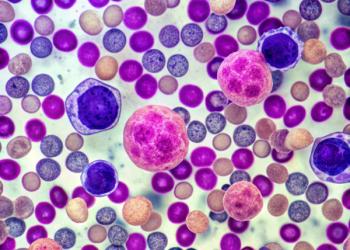
A phase 1b study demonstrated that continuous subcutaneous infusion of low-dose lenalidomide in patients with relapsed or refractory (R/R) multiple myeloma achieved promising efficacy with significantly reduced hematologic toxicity compared to conventional oral dosing.

Biomarker testing transforms non-small cell lung cancer treatment, enhancing outcomes through targeted therapies and next-generation sequencing for better patient care.

Artificial intelligence (AI) models enhance cancer cachexia detection, improving accuracy in predicting muscle atrophy and patient outcomes through advanced biomarker analysis.
As the cell and gene therapy pipeline expands, experts at Asembia’s AXS25 Summit emphasized the need for error-proof logistics, value-based access strategies, and coordinated reimbursement models.

At Asembia’s AXS25 Summit, Shea Hudson spotlighted how pharmacists are transforming into essential clinical partners through advanced technology, patient advocacy, and value-based collaboration.

Explore the latest advancements in chronic lymphocytic leukemia treatment, focusing on BTK and BCL2 inhibitors, monoclonal antibodies, and patient management strategies.

Experts emphasize the need to understand patient journeys, navigate complex value chains, and strategically match the right patients with groundbreaking therapies.

Experts share operational challenges and patient care implications of the Inflation Reduction Act's (IRA) drug pricing reforms.

A novel orally bioavailable RIPTAC therapeutic targeting the p53-Y220C mutation demonstrates selective cancer cell killing by inducing proximity between mutant p53 and an essential protein, offering a promising new strategy for treating historically untreatable tumors.

Hyperglycemia is a common and significant adverse effect of PI3K and AKT inhibitors in hormone receptor-positive (HR+) breast cancer.

Rising costs of these therapies challenge affordability and access.
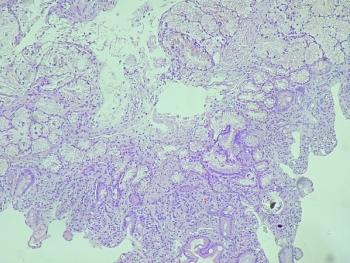
The phase 2 ROME trial demonstrated that combining tissue and liquid biopsies to guide tailored therapy in advanced solid tumors significantly improves survival outcomes compared to standard of care or single-biopsy approaches, highlighting the value of dual profiling in precision oncology.

Study shows a significant decline in breast cancer mortality across multiple subtypes.

Experts at Asembia’s AXS25 Summit discussed the economics of specialty pharmacy for rare diseases, addressing high treatment costs and strategies for balancing innovation.

Integrating community pharmacists into specialty pharmacy care can enhance patient access, address physician shortages, and expand pharmacists' roles in delivering high-quality clinical services, according to experts at Asembia’s AXS25 Summit.


Acneiform rash is a common adverse effect of EGFR-targeting therapies.

Dostarlimab in the neoadjuvant setting yielded a 100% clinical complete response in patients with rectal cancer.

A phase 2 trial showed that using ctDNA to guide adjuvant pembrolizumab therapy after surgery effectively cleared minimal residual disease and reduced recurrence in patients with resected mismatch repair-deficient (dMMR) solid tumors.

The study found that 4 weeks was the ideal time point to test for cTDNA.
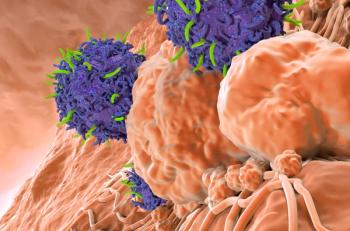
Certain antibiotics may have a more significant impact on CAR T-cell efficacy and toxicity.

AI may help to accurately classify pediatric sarcoma subtypes using digitized pathology images, potentially improving diagnosis and treatment accessibility across diverse health care settings.