
FDA clears teclistamab plus daratumumab after first relapse, delivering striking PFS gains—plus practical tips to manage CRS, ICANS, and infections.
FDA clears teclistamab plus daratumumab after first relapse, delivering striking PFS gains—plus practical tips to manage CRS, ICANS, and infections.

EPCORE trial data show epcoritamab plus lenalidomide and rituximab delivers responses in relapsed/refractory follicular lymphoma with outpatient dosing.

Ipsen discontinues tazemetostat after SYMPHONY-1 safety signals; pharmacists and FDA guide next steps for EZH2-mutant follicular lymphoma patients.
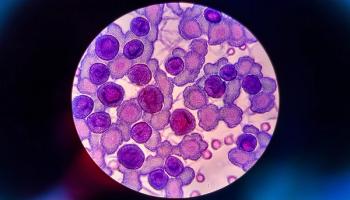
Belantamab mafodotin reenters clinical practice after FDA reapproval, signaling new potential for difficult-to-treat myeloma.

Expert shares notable findings presented at the 2025 IMS Annual Meeting.

Glofitamab-GemOx improves survival in transplant-ineligible patients with R/R DLBCL.

Pharmacists enhance patient care in multiple myeloma by focusing on infection prevention, CRS management, and optimizing outcomes with T-cell engagers post-CAR T.

An expert discusses the promising results of elranatamab as a consolidative therapy for relapsed/refractory multiple myeloma, enhancing patient outcomes.

Glofitamab-GemOx improves survival in transplant-ineligible patients with R/R DLBCL.

The data highlight novel therapies and biomarkers shaping personalized cancer care.

The long-term outcomes from the CARTITUDE-1 trial in multiple myeloma and durable complete response data from the STARGLO trial in diffuse large B-cell lymphoma can be significant for these disease states.

Matthew Lei, PharmD, BCOP, highlights the value of community, collaboration, and innovation at the HOPA Annual Conference.

Peer Reviewed
This article reviews the efficacy and safety data for bispecific T-cell engagers and the practical considerations for their implementation across various types of practice sites for the historically difficult-to-treat relapsed/refractory B-cell lymphoma population.
Peer Reviewed
Integration of these agents requires supportive care considerations for cytokine release syndrome, neurotoxicity, infection, and antigen-specific toxicities to ensure optimal care of patients with multiple myeloma receiving T-cell–engaging therapies.

June 16th 2026