




Biosimilars
Latest News
Advertisement
Latest Videos









Advertisement
More News

Kimberly Maxfield, PhD, discussed pharmacist’s role to aid patients when switching to a biosimilar

Biosimilars in the pharmacy benefit are as effective as their reference drug, but it’s important for the pharmacist to clarify this to patients.
The biosimilar landscape is growing, but the FDA should leverage analytical data to efficiently determine the quality of these products and propel them toward approval, according to a session at the Academy of Managed Care Pharmacy’s Nexus 2023 conference.

The FDA is the only authority that can designate a biosimilar as interchangeable with its reference product, which requires that the product has similar clinical results for the same indication.
Jensen notes that although she expects there will be a lot of FDA approvals in 2023 and 2024, there likely will not be another biosimilar “boom” until 2025.
Following the results of a meta-analysis that reviewed biosimilar trial design and endpoints, investigators urge for greater biosimilar uptake initiatives.

Continuous innovation is required in various technological aspects to effectively manage the challenges of vast clinical data.
In the first systematic review using statistical methods, investigators found switching from a reference biologic to a biosimilar was comparable in safety, but no conclusion on immunogenicity could be drawn.
The House Committee members examined pricing tactics by PBMs and how they are harming patients across the country.
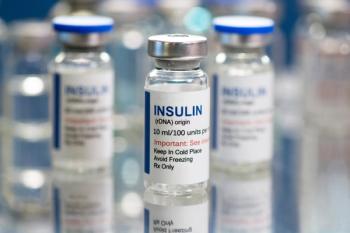
Insulin glargine-yfgn is more affordable than the reference product and patients do not require prescriber authorization switch.
Nuances can lead to frequent areas of confusion.

A collaborative exercise with 16 health care organizations nets millions in savings.
The "interchangeable" designation has created confusion around the difference between biosimilars designated as interchangeable and those that are not.
Clinicians raise concerns about immunogenicity, product quality, and reimbursement for biosimilars.

The importance of findability, accessibility, interoperability, and reusability has become even more significant to academics as government agencies increasingly require data openness and accessibility for funding eligibility.

Manufacturers must find the right balance in drug pricing, so that medications are appealing to both public and private insurers while still remaining profitable throughout their lifecycle.
Enhanced utilization of biosimilar products can have significant impact on reducing the overall cost of health care and potentially reducing out-of-pocket costs for patients.

The seamless integration of artificial intelligence and machine learning has the potential to accelerate research and enhance efficiency in a new era of personalized medicine.
Perhaps the most significant development in the pharmaceutical industry in decades, crops of biosimilars are being approved and are ready for distribution. What lies next, in terms of legislation and the impact on pharmacists, remains to be seen.
The FDA is the first regulatory agency globally to approve natalizumab-sztn as a biosimilar for natalizumab.

The Mylight phase 3 trial confirmed that there was no clinically meaningful differences between aflibercept and its reference biologic, Eylea, for patients with wet macular degeneration.

The launch of adalimumab biosimilars are expected to affect spending in the immunology space.

Pharmacists will have the opportunity to use their knowledge of biosimilars to reinforce their benefits, safety, and efficacy.

Many studies with a stated goal of advancing child health care in administratively-defined minors have no clinical value and may even harm young patients.

Although SB5 is an effective treatment for plaque psoriasis, it is recommended that patients consider the potential risks and adverse effects.
Advertisement
Advertisement
Trending on Pharmacy Times
1
Flu Vaccination Linked to Fewer Severe Outcomes in Older Adults, Fewer ED Visits in Children
2
Combined Cardiometabolic Biomarker Burden Tracks CKM Progression
3
FDA Approves Awiqli, Once-Weekly Insulin, for Children Aged 10 Years and Older With T2D
4
Kidney Week 2026: What to Know for Nephrology's Biggest Meeting
5