




Biosimilars
Latest News
Advertisement
Latest Videos







Advertisement
More News

FDA Approves Ustekinumab-kfce as Sixth Biosimilar to Stelara
Published: | Updated:
The biosimilar is approved for the treatment of Crohn disease, ulcerative colitis, plaque psoriasis, and psoriatic arthritis.

However, the monthly expenditure was not significantly associated with the financial incentives.
There were 2 main types of switches, including switching to rituximab subcutaneous and switching among different intravenous rituximab treatments.

Ocrelizumab (Ocrevus; Genentech) is used for the management and treatment of multiple sclerosis.

Pegfilgrastim (Neulasta; Amgen) treats neutropenia that is caused by cancer medications and helps the bone marrow to create new white blood cells.

HLX14 (Organon) is an investigational biosimilar to denosumab (Prolia/Xgeva; Amgen).

Pharmacists play a key role when it comes to medication substitution, especially for interchangeable biosimilars where allowed by state law.

The FDA previously accepted the biologic license application for CT-P13 as a subcutaneous formulation.

In April 2024, the FDA approved ustekinumab-aekn as a subcutaneous injection for the treatment of moderate to severe plaque psoriasis and active psoriatic arthritis.
Imuldosa has received approval for all indications of its reference product, including ulcerative colitis, psoriatic arthritis, and Crohn disease.

Sarah Hudson-Disalle, PharmD, highlights the significant impact of EHR automation on biosimilar access and costs.

Formularies have become one of the biggest barriers to realizing the cost-saving potential of biosimilars.
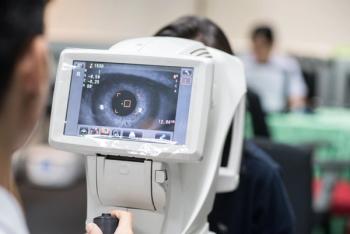
In May 2024, the first biosimilars for aflibercept were approved, which included aflibercept-jbvf (Yesafili; Biocon Biologics), known as MYL-1701P.
Ustekinumab is a human monoclonal antibody targeting the cytokines interleukin (IL)-12 and IL-23, which play a rule in the inflammatory and immune responses.

Clayton Irvine, PharmD, MBA, MS, notes that although these options help to lower the cost of care, quick, widespread implementation remains difficult.

Additional education can address ambivalence for patients and providers, which can start at the pharmacist level, as they are essential sources of information for patients.
For biosimilars to overcome these entrenched market dynamics, they must not only compete on price but actively work to build a network of support among providers and patients.

Investigators obtained real-world evidence to evaluate the clinical outcomes of non-medical switching from the infliximab (Remicade; Janssen Immunology) to a biosimilar.

P043 is currently approved for patients 6 years and older with moderate to severe persistent allergic asthma whose disease is inadequately controlled with inhaled corticosteroids.

High-cost novel therapies challenge payers and patients, while biosimilars help balance affordability.
The guidance, if finalized, would revise considerations about switching studies for proposed interchangeable biosimilars.

Biosimilar etanercept (Sunshine Guojian Pharmaceutical) showed similar therapeutic outcomes compared with etanercept (Enbrel; Amgen) specific to rheumatoid arthritis.
The biosimilar space continues to grow, with key focuses around retina and oncology, but adoption remains slow in the United States.

The treatment is indicated to improve and maintain visual acuity in individuals with neovascular age-related macular degeneration.

Investigators find that this could suggest the biosimilar uptake alone may not be a complete measure of the market competition and lowering prices.
Advertisement
Advertisement
Trending on Pharmacy Times
1
Flu Vaccination Linked to Fewer Severe Outcomes in Older Adults, Fewer ED Visits in Children
2
Combined Cardiometabolic Biomarker Burden Tracks CKM Progression
3
FDA Approves Awiqli, Once-Weekly Insulin, for Children Aged 10 Years and Older With T2D
4
Kidney Week 2026: What to Know for Nephrology's Biggest Meeting
5