



With the FDA approval and launch of the first interchangeable biosimilar in the United States in 2021, retail pharmacists are poised to play an increasing role in the future uptake of biosimilars.
With the FDA approval and launch of the first interchangeable biosimilar in the United States in 2021, retail pharmacists are poised to play an increasing role in the future uptake of biosimilars.

In an interview with Pharmacy Times®, Chelsee Jensen, PharmD, pharmaceutical formulary manager at Mayo Clinic, discusses biosimilar usage in health systems and challenges that come with it.
In an interview with Pharmacy Times®, Eric Tichy, PharmD, MBA, BCPS, FAST, FCCP, Vice Chair of Pharmacy/Formulary at Mayo Clinic, discusses some formulary trends in biosimilars at the Academy of Managed Care Pharmacy Annual Meeting.
Shannon Hough, director of ClinReview and Clinical Content for McKesson, discusses the advantages of including pharmacy staff as part of the care team when payer or drug availability challenges arise.

Shannon Hough, director of ClinReview and Clinical Content for McKesson, discusses the advantages of including pharmacy staff as part of the care team when payer or drug availability challenges arise.
Shannon Hough, director of ClinReview and Clinical Content for McKesson, discusses the growing shift to biosimilars in oncology and the impact of increased access and reduced financial burden for patients on medication adherence.
A patient’s ability to pay for specialty medications will continue to be an issue because drug costs are prohibitive and add barriers to accessibility.
The health care company’s analysis evaluates non-specialty and specialty drugs, biosimilars, medication affordability, and the cost of administering COVID-19 vaccines.
The study met its primary goal by demonstrating pharmacokinetic equivalence in patients who switched multiple times between treatment with the 2 medicines.

Study shows that high infliximab trough levels linked to a low risk of relapse after switching to subcutaneous infliximab in patients with inflammatory bowel disease.

But 3 main challenges stand in the way of their adoption: patent litigation, patient and physician concerns, and rebates and reimbursements.
More aggressive competition and uptake could cause larger cuts, estimated at up to $124.5 billion between 2021 and 2025, according to the results of a RAND corporation analysis.

Insulin glargine-yfgn (Semglee; Viatris) presents the first opportunity for retail pharmacists to dispense a biosimilar to patients.
In the case reviewed, the pharmacy department created an interdisciplinary Biosimilar Task Force responsible for making decisions relating to the adoption of biosimilar therapies.

Dissimilarities include acceptance by third-party payers, applications, dispensation, prices, and use.
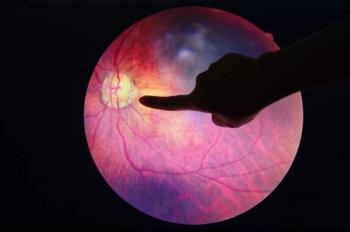
An anti-vascular endothelial growth factor therapy, ranibizumab prevents vision loss in patients with retinal vascular disorders, which can cause irreversible blindness or visual impairments in adults.
Cheryl Larson, president and CEO of Midwest Business Group on Health, discusses current efforts to manage drug spend and the high cost of specialty drugs on the market.
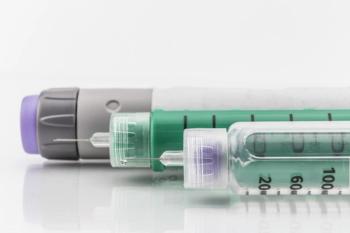
The introduction of a biosimilar insulin could result in major shifts in the accessibility and affordability of insulin for all patients.
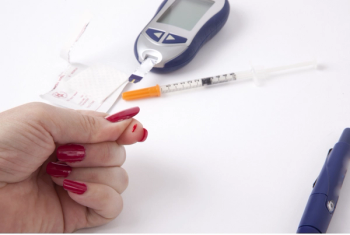
The availability of insulin biosimilars can bring high-quality, lower cost treatment options for pharmacists, physicians, payers, and patients alike.
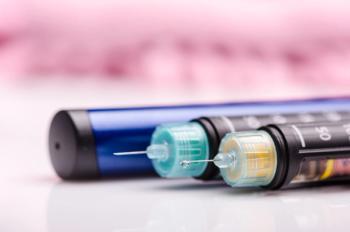
Insulin glargine-yfgn is the first interchangeable biosimilar product for the treatment of diabetes approved in the United States, which can provide patients with alternative, equally effective options for treating diabetes that could be more cost effective.

This week on Pharmacy Times, there are a number of important topics that will be covered and posted throughout the week.

The pipeline for biosimilar products in the United States includes at least 26 candidates in phase 3 trials for 13 reference therapies.
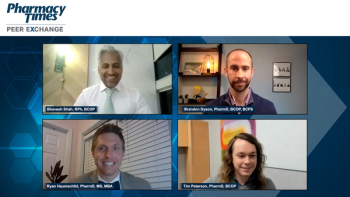
Bhavesh Shah, RPh, BCOP; Brandon Dyson, PharmD, BCOP, BCPS; Ryan Haumschild, PharmD, MS, MBA; and Tim Peterson, PharmD, BCOP, provide advice and strategies for adopting biosimilars into clinical practice.
The impact of the COVID-19 pandemic on the rate of biosimilar adoption in clinical practice, updates to NCCN guideline recommendations, and financial implications associated with the utilization of biosimilars.
The influence of provider buy-in for getting a biosimilar onto formulary and the role of providers in the incorporation of biosimilars are discussed.