



Biosimilars
Latest News
Advertisement
Latest Videos





Advertisement
More News
This shift brings new responsibilities and opportunities, from managing inventory changes to counseling patients on alternative therapies.
The designation was supported based on data from the randomized, double-blind, active-controlled phase 3 interchangeability study.
This approval marks bevacizumab-nwgd as the sixth reference product to bevacizumab (Avastin).

Tocilizumab-bavi received FDA approval in September 2023 as the first biosimilar to tocilizumab for the treatment of various adult and pediatric arthritis conditions.
The biosimilar is approved for all indications of the reference products, Prolia and Xgeva.

The launch of ustekinumab-stba following its FDA approval expands patient access to this therapy with a variety of indications.
Pharmacists play an essential role in counseling patients on biosimilar substitution protocols and following state regulations regarding interchangeable medications.
AI can streamline biosimilar adoption by simplifying prescribing decisions and reducing costs.
Adalimumab biosimilars differ from adalimumab in approved indications, concentration and dosage, and formulation.
FDA Approves Biosimilars Referencing Denosumab for Osteoporosis-, Cancer-Related Skeletal Events
Published: | Updated:
The new approval expands the portfolio of denosumab biosimilars, increasing access and improving costs for patients.

Although more research is needed in pediatric patients, biosimilars could improve treatment access and reduce costs.
Gaps in education about biosimilars, particularly among pharmacists, patients, and prescribers, are a significant barrier to wider adoption.

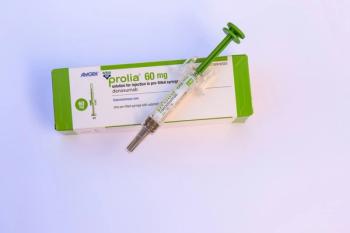
The approval in multiple indications is designed to improve access to effective, proven treatments for skeletal fractures, which can greatly reduce patient quality of life.

Rapid-Acting Insulin Biosimilar Receives FDA Approval for Diabetes
Published: | Updated:
Insulin-aspart-szjj (Merilog) is the first rapid-acting insulin biosimilar product approved by the FDA.

If approved, HLX11 could offer a more cost-effective alternative to pertuzumab for the treatment of human epidermal growth factor receptor 2-positive breast cancer.
Tocilizumab-anoh is expected to increase competition, improve patient access, and deliver cost savings in the treatment of various inflammatory conditions.
The approval includes indications for rheumatoid arthritis, giant cell arteritis, polyarticular juvenile idiopathic arthritis, systemic juvenile idiopathic arthritis, and COVID-19.

This marks the first US biologic license application filing acceptance for a biosimilar candidate to golimumab.

Biosimilar use is not linked to an increased risk of treatment failure among pediatric patients with inflammatory bowel disease (IBD).

The US health care market faces transformative changes in 2025, as biosimilars, GLP-1s, and new pharmacy economics reshape how benefit managers balance innovation with affordability.

Successfully integrating biosimilars into practices requires careful planning and execution, as they impact virtually all aspects of a practice.
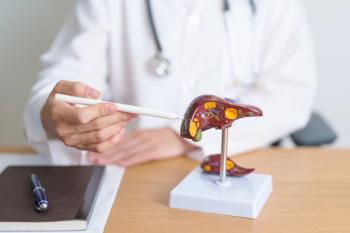
Serplulimab plus HLX04 demonstrates a favorable safety profile in patients with advanced hepatocellular carcinoma.

Adherence to thiopurine medications after 6 months of use was 87.9% under direct pharmacist care but 65.7% under general practitioner guidance.
Adoption barriers include insurance coverage, patient and provider education, and regulatory hurdles that require aligned initiatives across stakeholders.
Advertisement
Advertisement
Trending on Pharmacy Times
1
Flu Vaccination Linked to Fewer Severe Outcomes in Older Adults, Fewer ED Visits in Children
2
Combined Cardiometabolic Biomarker Burden Tracks CKM Progression
3
FDA Approves Awiqli, Once-Weekly Insulin, for Children Aged 10 Years and Older With T2D
4
Kidney Week 2026: What to Know for Nephrology's Biggest Meeting
5