




Biosimilars
Latest News
Advertisement
Latest Videos





Advertisement
More News
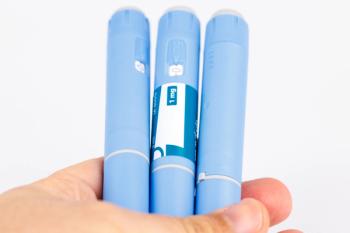
A new biosimilar, LY05008, shows comparable efficacy and safety to dulaglutide in managing type 2 diabetes mellitus (T2DM) in Chinese adults.

New research confirms that switching from tocilizumab to its biosimilar, Avtozma, maintains efficacy and safety in patients with rheumatoid arthritis (RA).
Pharmacists optimize biosimilar and 505(b)(2) use through collaboration, education, and integration.
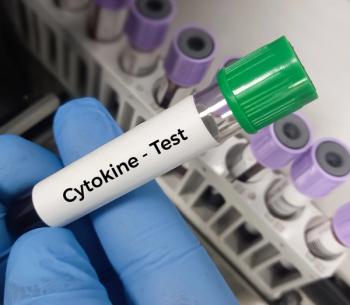
The FDA expands tocilizumab-anoh's approval for treating cytokine release syndrome (CRS), enhancing treatment options for patients aged 2 and older.

Herzuma shows promising efficacy and safety as a cost-effective biosimilar for treating HER2+ advanced gastric cancer, offering new hope for patients.

A recent study reveals Mvasi's comparable safety profile to Avastin for retinal diseases, highlighting the need for on-label biosimilars in ophthalmology.

Hospitals and health systems are adapting specialty and infusion pharmacy strategies to meet evolving payer mandates, rising costs, and shifting care models by expanding biosimilar use, optimizing prior authorizations, and integrating technology to enhance patient access and operational efficiency.

There were also no observed differences in retention rates or safety among patients with ankylosing spondylitis.

The biosimilar showed similar efficacy, pharmacokinetics, pharmacodynamics, safety, quality of life, and immunogenicity in patients with chronic spontaneous urticaria (CSU).
The agent, Kirsty, represents a more affordable alternative to Novolog.

Laura R. Bobolts, PharmD, BCOP, shares actionable strategies for oncology pharmacists to navigate biosimilar and 505(b)(2) drug implementation, manage payer and formulary complexities, and optimize cost-effective care delivery across oncology service lines.

Kirollos S. Hanna, PharmD, BCPS, BCOP, FACCC, FAPO, discusses how oncology pharmacists can lead value-based care efforts under the Enhanced Oncology Model (EOM) by improving care coordination, managing costs, aligning with performance metrics, and leveraging clinical data systems to enhance patient outcomes.
The study found biosimilar initiation rose to nearly 42% from 2016 to 2023.
Real-world data show that patients switching from Humira to biosimilars Hadlima and Hyrimoz achieve similar outcomes without hospitalization.


Some patients incorrectly believe that biosimilars compromise safety or efficacy.
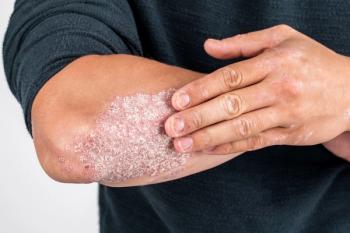
Study Confirms Interchangeability of Hulio, Biosimilar of Humira, in Severe Chronic Plaque Psoriasis
Hulio shows comparable efficacy and safety to Humira in treating chronic plaque psoriasis, supporting its FDA interchangeability status.
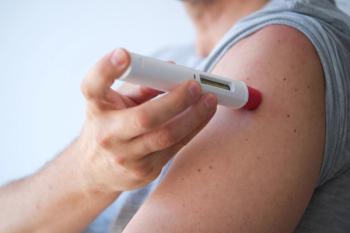
The subcutaneous infusion is indicated for pediatric patients aged 6 to 17 years who weigh less than 60 kg.

Biologics and biosimilars have a major role in modern medicine because of their clinical benefits and economic impact on patient care.
The FDA designated Hadlima as an interchangeable biosimilar to Humira, enhancing patient access and potential savings for various conditions.
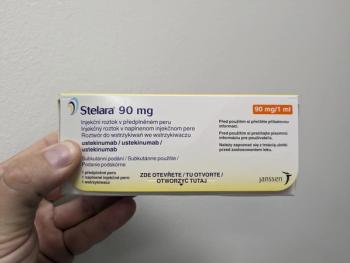
A new biosimilar to ustekinumab (Stelara) has been approved by the FDA, further expanding treatment options for patients with immune conditions such as plaque psoriasis and psoriatic arthritis.
Yuflyma gains FDA interchangeability with Humira, enhancing patient access to effective biosimilar treatments for various inflammatory conditions.
Advertisement
Advertisement
Trending on Pharmacy Times
1
Flu Vaccination Linked to Fewer Severe Outcomes in Older Adults, Fewer ED Visits in Children
2
Combined Cardiometabolic Biomarker Burden Tracks CKM Progression
3
FDA Approves Awiqli, Once-Weekly Insulin, for Children Aged 10 Years and Older With T2D
4
Kidney Week 2026: What to Know for Nephrology's Biggest Meeting
5