

Health systems are being urged to reconcile inventory immediately, as the affected vials are commonly stocked for anaphylaxis and septic shock emergencies.
Health systems are being urged to reconcile inventory immediately, as the affected vials are commonly stocked for anaphylaxis and septic shock emergencies.

Pharmacists rethink retirement: use compound growth, start early, and define the life you want—so your savings plan fits your future.

Lurking under the surface of inroads made toward better reimbursement and expanded scope of practice are major workforce supply challenges.

Tim Ulbrich, PharmD, breaks down the 5 foundational components that pharmacists need in place before chasing more advanced financial optimization.

The Cleveland Clinic team's real-world findings presented at ESC 2026 are hypothesis-generating and need prospective confirmation but point to a low threshold for OSA screening.

A single-center study found similar 12-month total weight loss whether or not patients used a glucagon-like peptide-1 (GLP-1) receptor agonist before surgery.

Learn how pharmacists guide older adults through polypharmacy with safer OTC choices and MTM reviews that prevent interactions and simplify regimens.

Long-lived monocyte-derived cells in the lung help sustain tissue-resident memory T cells after influenza infection, and researchers say the discovery could inform more effective nasal flu vaccines.

Milind Desai, MD, MBA, explains the domino effect linking obesity, obstructive sleep apnea, and hypertrophic cardiomyopathy—and why treating obesity may break the chain.

An ifosfamide shortage prompts cancer treatment concerns and new importation efforts.

Blood Cancer Awareness Month highlights types of blood cancer and how pharmacists flag multiple myeloma symptoms early, speeding referral and care.

A prespecified analysis found the PCSK9 inhibitor reduced total events 20% in high-risk patients with no prior heart attack or stroke.

Independent pharmacies should build documentation, watch rulemaking, and press for transparency terms in every contract renewal.

Pediatric and obstetric groups expand high-risk criteria and extend vaccination windows as federal vaccine guidance remains unsettled.

A real-world analysis of matched adults links glucagon-like peptide-1 (GLP-1) receptor agonist use to fewer major cardiovascular events, driven by a mortality benefit.

Both virtual and in-person interviews have their benefits.

Time-to-vaccination data from a large diabetes cohort reveal delayed, incomplete uptake of pneumococcal vaccination, with age and citizenship emerging as the strongest predictors.

Five "essential" outcomes, including medication error and adherence, should anchor every pharmacist intervention study in chronic kidney disease.
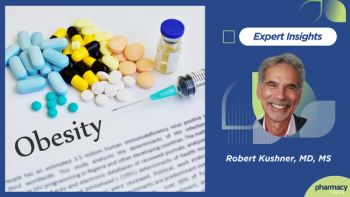
Glucagon-like peptide-1 (GLP-1) and GIP/GLP-1 agents are just the start: amylin- and glucagon-based mono-, dual-, and tri-therapies are on the horizon.

A subsequent dispute between state and federal officials over the deaths' classification has thrust the state into the center of a national vaccine policy fight.

A multicohort study finds divergent complication patterns and raises the prospect that millions are being treated for the wrong mechanism.

This FAQ describes what oncology pharmacists should know ahead of Gynecologic Cancer Awareness Month in September.

Pharmacists’ medication expertise can mitigate GI adverse effects and improve outcomes for patients beginning obesity pharmacotherapy

A Medicare GLP-1 bridge program marks 2026, while multiagonists like CagriSema are poised to lead the next wave of obesity therapy.
From statins after 70 to aspirin-free STEMI care, the pharmacist takeaway across 13 trials: identify disease earlier, treat precisely, deliver reliably.
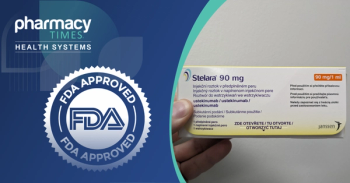
The approval makes ustekinumab the first non-TNF-alpha monoclonal antibody available for both major forms of pediatric inflammatory bowel disease (IBD).
From enlicitide to Lp(a)-lowering siRNAs, a look at the add-on therapies helping high-risk patients reach stricter LDL targets below 55 mg/dL.

Pharmacist Jennifer Goldman on why expectation-setting, GI counseling, and nutrition drive glucagon GLP-1 persistence and long-term success.
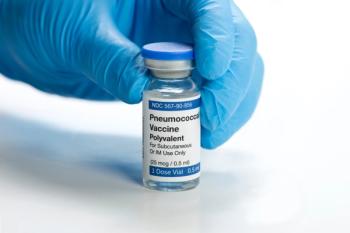
IPD survivors face years of sharply elevated recurrence risk, yet vaccination remains low.
Craig Beavers, PharmD, breaks down CARDIO-TTRansform, SINGLE-AF, and POET II—and what each means for anticoagulation, stewardship, and monitoring.