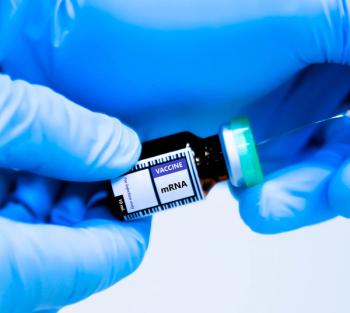
Despite the controversy surrounding mRNA's role in the COVID-19 response, the technology's broader promise—to prevent, treat, and even cure a host of diseases—is coming into focus.
Pharmacists are well positioned to clear the confusion on treatments for menopause through evidence-based counseling and individualized symptom management.
Menopause is a biological transition that affects 100% of women who reach midlife. More than 1 billion women globally are currently experiencing perimenopause, menopause, or postmenopause. In the United States, 1.3 million women reach natural menopause each year.1 Although menopause is not a disease, it is considered a health condition, as its symptoms—often uncomfortable—can be alleviated with treatment.
Historically, menopause has been viewed in very different ways. At times, it was considered a natural transition that was meant to be endured. At other times, it was treated as a medical problem or hormone deficiency. Today it is recognized as a major life stage affecting many systems of the body. Unfortunately for women, that shift in understanding took centuries to evolve.
Menopausal symptoms and experiences can vary widely. Women may encounter challenges in addressing their symptoms due to gaps in education and clinical care. Pharmacists are uniquely positioned to bridge the gap between lifestyle modifications and hormone replacement therapy (HRT) to improve patient outcomes.
Menopause, as a natural aging process, usually begins between the ages of 45 and 55 and lasts an average of 4 to 7 years. This biological process marks the permanent end of reproductive potential.2
Perimenopause is the beginning of the process when the ovarian egg supply is depleted, causing hormones to fluctuate erratically. The brain and aging ovaries lose their ability to communicate smoothly, causing a breakdown in the feedback loops that regulate hormones.3 The symptoms involved in early perimenopause include irregular periods, worsening premenstrual syndrome, and emotional volatility. Late stages of perimenopause include hot flashes and night sweats, brain fog, and heart palpitations.4
As perimenopause progresses, menstrual periods diminish. Menopause is the point in time when a patient reaches 12 months without a menstrual period. This is usually the time when vasomotor symptoms (hot flashes and night sweats) and sleep disturbances peak.4
Postmenopause encompasses the remainder of a woman’s life. Hormonal fluctuations stabilize, but the chronic lack of estrogen creates long-term physical shifts. Estrogen loss affects the vaginal tissue, resulting in thinning and dryness. This may cause burning, painful intercourse, and chronic urinary frequency and urgency. Metabolism slows, and fat distribution shifts away from the hips and thighs and toward the abdomen. Skin and hair changes result from reduced collagen production and include decreased skin elasticity, thinning scalp hair, and new facial hair. Estrogen deficiency accelerates bone loss, potentially leading to osteoporosis. The risk of cardiovascular disease is also increased due to the stiffening of blood vessels.5
Holistic and nonpharmacological treatments focus on nervous system regulation, nutritional changes, and lifestyle modifications to manage symptoms.
Hot flashes are brought on by sudden glitches in the brain’s internal thermostat. Calming the central nervous system can significantly reduce vasomotor-related symptoms. The most strongly recommended nonhormonal therapy, highly recommended by the Menopause Society is cognitive behavioral therapy. Specialized protocols teach patients to replace negative, catastrophic thoughts during hot flashes and optimize sleep hygiene, which significantly reduces the perceived impact and distress of hot flashes.6 Guided hypnotherapy deep-relaxation sessions have been successful in reducing the frequency and severity of hot flashes and night sweats.7
Adjusting nutrition can help stabilize energy and preserve tissue even while metabolic baselines naturally decrease. Adipose tissue traps heat. Therefore, weight loss can make it easier for the body to cool down, lessening the severity of hot flashes and night sweats. Following an anti-inflammatory diet of whole grains, lean proteins, vegetables, and healthy fats reduces insulin spikes (which exacerbate hot flashes) and supports heart health. Consuming whole soy foods, such as edamame, tofu, and tempeh, can provide mild, plant-based estrogens known as phytoestrogens. Avoiding vasomotor triggers, such as caffeine, alcohol, and spicy foods, may prevent the sudden vasodilation associated with hot flashes.
As estrogen depletion occurs, it is imperative that musculoskeletal function be preserved. Progressive resistance training through weightlifting and/or resistance bands a few times weekly can combat the accelerated bone density loss. Consistent walking, swimming, or cycling can preserve cardiovascular elasticity while combating the natural postmenopausal accumulation of visceral fat. Pelvic floor rehabilitation through Kegel exercises or with a pelvic floor physical therapist can reduce thinning of pelvic tissues. This can prevent urinary frequency and urgency and stress incontinence.8
Genitourinary Syndrome of Menopause is a progressive condition that causes the tissues of the vulva, vagina, and urinary tract to become thinner, drier, and less elastic and worsens over time if left untreated. Regular, over-the-counter hyaluronic acid vaginal moisturizers used consistently 2 to 3 times per week can help rehydrate tissues.9 To guard against microscopic tissue tearing, nonirritating water-based or silicone-based lubricants should be used generously during intimacy. This will also help alleviate painful friction.9
There is currently negative, inconclusive, or insufficient evidence regarding the use of soy extracts and derivatives, cannabinoids, and herbal supplements for the treatment of menopausal symptoms.6
Many patients turn to holistic herbal options, such as black cohosh, ashwagandha, evening primrose oil, and red clover, for symptom relief. Because dietary supplements are not required to undergo FDA approval for safety and efficacy before reaching consumers, this can result in inaccurate dosages, hidden pharmaceuticals, and contamination by heavy metals and toxins. These can cause severe organ damage and dangerous drug interactions.10
Menopausal hormone therapy, or HRT, exogenously replaces estrogen and progesterone lost during menopause and is highly effective when customized to a patient’s individual needs. HRT is the gold standard for the treatment of menopausal symptoms and should be used at the lowest effective dose for the shortest duration necessary to manage symptoms.11
HRT regimens are tailored to the patient’s uterine status. Estrogen-only therapy is indicated for women without a uterus, and combined estrogen/progesterone therapy is indicated for those with an intact uterus.
Therapeutic options include 17β-estradiol (oral, micronized, transdermal patch, gel, spray), conjugated estrogens, and synthetic conjugated estrogens. For genitourinary symptoms only, vaginal products are available as rings, tablets, and creams.
When data from the Women’s Health Initiative were published in 2002, claiming that HRT increased the risk of breast cancer, heart disease, and stroke, the use of HRT plummeted.12 The study has since been found to be flawed. When initiated within 10 years of menopause, HRT has been shown to reduce the risk of all-cause mortality and fracture. It has also been shown to reduce the risk of heart attack by 50%, provide a 64% reduction in cognitive decline, and lower the risk of Alzheimer disease by 35%.12
The risks associated with HRT are highly variable and based on age, timing of initiation, medical history, formulation, and delivery method.13 If estrogen is taken alone, without progesterone, in patients with a uterus, the risk of uterine cancer may rise. Long-term combined estrogen/progesterone therapy can increase the risk of breast cancer if used for more than 4 to 5 years. Oral estrogen tablets increase the risk of deep vein thrombosis, pulmonary embolism, and stroke.14 If HRT is initiated after the age of 60 years or more than 10 years post menopause, the risk of heart attacks, strokes, and cognitive decline increases.15
Pharmacists are well positioned to guide patients through the complex phases of menopause by combining clinical expertise and personalized care. Through tailored counseling, pharmacists can demystify HRT risks and benefits while optimizing nonhormonal lifestyle adjustments.
about 2 months ago
The Growing Role of Digital Health and Pharmacist Guidanceabout 2 months ago
Building a Life Where Work Is Optionalabout 2 months ago
The Main Street Pharmacy Access Act: A Small Bill Asking a Big Questionabout 2 months ago
The Hidden Work Behind Medication Adherence