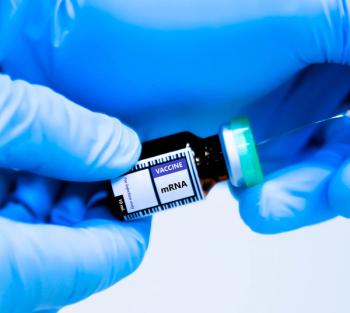
The data helps pharmaicts predict who will react strongly to mRNA vaccines—giving them a science-backed talking point during respiratory season.
Jerry P. Abraham, MD, MPH, CMQ, discusses why COVID-19 prevention strategies, including ensitrelvir for postexposure prophylaxis, remain essential for protecting vulnerable patients amid persistent summer transmission.
In an interview with Pharmacy Times, Jerry P. Abraham, MD, MPH, CMQ, a prominent family medicine physician, public health advocate, and leader in mobile street medicine connected with Charles R. Drew University of Medicine and Science (CDU) and Kedren Community Health Center in Los Angeles, California, discussed why COVID-19 prevention remains a critical public health priority even 6 years into the pandemic.
Abraham explained that summer surges are not unusual: COVID-19 has long shown geographic and seasonal variability, with case increases tied to travel, indoor gatherings, extreme heat, and the return to school, compounded by ongoing viral evolution. According to the CDC, infections are rising in 41 states.
Citing CDC estimates of 4.2 million to 12.7 million new US cases between October 2025 and July 2026, along with hundreds of thousands of hospitalizations, Abraham emphasized that COVID-19 continues to carry serious consequences, particularly for immunocompromised patients, older adults, and those with cardiovascular, respiratory, renal, or neurologic conditions. He noted that long COVID remains a persistent concern among his patients.
A major focus of the conversation was household transmission, which Abraham linked directly to the multigenerational living arrangements common in the South Los Angeles communities he serves. When homebound or medically vulnerable family members, such as grandparents, cannot avoid exposure from household members who come and go, "cocooning" strategies become essential. Abraham highlighted ensitrelvir's (Xocova; Shionogi) role in postexposure prophylaxis as a tool that pharmacists and clinicians can use to protect at-risk individuals after exposure.
For pharmacists, Abraham's remarks underscore an ongoing role in counseling patients, especially caregivers of vulnerable household members, on layered prevention strategies that extend beyond seasonal vaccination alone.