A suspected plague death in Russia has renewed attention on the rare infection. Here's how to spot pneumonic plague, and which antibiotics the CDC recommends.
Early immune signals can program longer-lasting lung-resident T cells—a potential breakthrough for influenza and COVID-19 vaccine design.
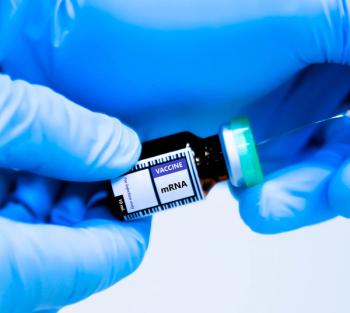
Current vaccines against respiratory viruses, such as influenza and SARS-CoV-2, are primarily designed to elicit neutralizing antibodies. Although effective for many pathogens, this strategy has well-documented limitations when viruses mutate rapidly, rendering existing antibody responses less effective and necessitating frequent reformulation. Vaccination strategies focused on generating a broad T-cell response may offer superior protection against pathogens that mutate rapidly, particularly where antibody escape variants have emerged, as seen with influenza and SARS-CoV-2.1,2
Compounding the challenge is a growing public health crisis: Flu vaccination rates among adults 65 years and older, the group at greatest risk of hospitalization and death, dropped from 52% in 2019-2020 to 43% in 2024-2025. With booster fatigue entrenched among patients, the scientific community is actively pursuing strategies that provide longer-lasting, broader protection with fewer doses.3
Researchers at the University of Wisconsin-Madison School of Veterinary Medicine have identified a promising new approach, published in Cell Reports. The study focuses on tissue-resident memory T cells (TRM), immune cells that reside in the lungs and airways as a first line of defense but have a notably short lifespan following respiratory infection or vaccination.4
“We have discovered essentially a mechanism that we can target—a new clue to generating long-lived T cells,” Marulasiddappa Suresh, PhD, DVM, MVSc, lead study author and professor in the Department of Pathobiological Sciences, said in a news release.4
Using an experimental vaccine model in mice, investigators compared 2 types of early innate immune signals: one mimicking a viral infection and another resembling a bacterial response. When a viral-like inflammatory signal was used, memory T cells declined rapidly. However, when a bacterial-like signal was triggered, the mice developed a distinct population of memory T cells that persisted for a significantly longer period and maintained protection for a longer duration.4
“When we had a virus-like inflammation, the memory T cells dropped off, and we quickly lost protection,” Suresh said. “But when we created a bacterial-like inflammation, the mice developed a different kind of memory T cell, which actually persisted longer and protected longer.”4
The longer-lived T-cell population displayed stem cell–like characteristics, including self-renewal and persistence over time. Strikingly, when vaccinated mice were subsequently exposed to live virus, these stem-like cells shifted into a conventional virus-fighting mode, combining durability with functional adaptability.4
“The duration of immunity is really, really important,” Suresh said. “Can we vaccinate fewer times, and can shots protect against new strains?”4
This finding adds important nuance to the broader field of TRM biology. Unlike TRM in other tissues, such as the skin, where residence appears lifelong, lung TRM numbers decline alongside a measurable decay in T cell–mediated protection following respiratory infection. The data may offer a mechanistic pathway to overcome this limitation.3
The study data also highlight the importance of the vaccine delivery route. Intranasal vaccination has demonstrated the ability to maintain lung CD4⁺ TRM populations for up to 20 months post immunization and to confer cross-protection against heterosubtypic influenza strains—protection that intramuscular vaccines have struggled to replicate at the mucosal level. Given the limitations of current systemic vaccines in inducing durable mucosal immunity, strategies aimed at eliciting lung-resident T cells hold great promise.5,6
“The best way to immunize against all our respiratory infections is to give through the normal route of infection,” Suresh emphasized.4
The current research was conducted in mice. The team plans to advance the model into nonhuman primates and systems that better reflect human immune diversity. Future work will also explore how to direct systemically vaccinated immune cells toward the lungs, potentially enabling conventional injection-based vaccines to confer stronger mucosal protection.
For pharmacists counseling patients on respiratory virus vaccines, these findings underscore the scientific momentum behind next-generation platforms that may one day reduce the need for annual boosters—and offer broader coverage across viral variants.