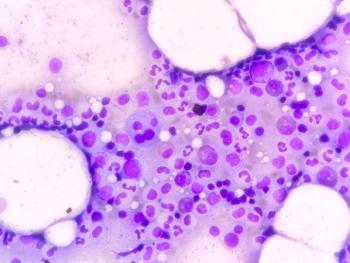
A phase 1/2 analysis found rapid, deep responses with mezigdomide plus elranatamab in patients with relapsed or refractory multiple myeloma, but the small cohort and limited follow-up require cautious interpretation.
This OPC interview discusses the growing importance of molecular testing, care coordination, and oral oncology therapies in optimizing outcomes for patients with gastrointestinal malignancies.
In this interview with Pharmacy Times at Oncology Pharmacists Connect in Austin, TX, Nick Capote, PharmD, MS, BCSCP, Executive Director, Ambulatory and Specialty Pharmacy Services, Boston Medical Center, discusses how advances in molecular testing and biomarker-driven treatment strategies are transforming care for patients with gastrointestinal cancers. Capote emphasizes the critical role of oncology pharmacists in facilitating timely access to testing, supporting referral pathways, and educating patients about the importance of precision medicine in treatment selection. He also highlights the growing operational complexity associated with targeted therapies, including treatment sequencing, coordination across care settings, specialty pharmacy access, and integration of oral and infused therapies.
Pharmacy Times: The treatment landscape for gastrointestinal malignancies has become increasingly complex with the emergence of biomarker-driven therapies and novel treatment approaches. Which recent advances do you believe are having the greatest impact on patient care today?
Nick Capote, PharmD, MS, BCSCP: I think the greatest impact on patient care comes from molecular testing and other screening strategies that help ensure patients are connected with the right providers at the right time. These approaches are essential for guiding patients to the most appropriate care pathways and treatment options.
There are 2 key components to this process. The first is patient education, helping patients understand why molecular testing and screening are important and how the results may influence their treatment journey. The second is maintaining a strong focus on outcomes by ensuring that patients are seen by the appropriate specialists in a timely manner.
Pharmacists play an important role in this process by helping coordinate care, facilitating referrals when needed, and supporting patients throughout the treatment pathway. Ultimately, ensuring that patients are connected with the right provider at the right time helps set them up for the best possible outcomes.
Pharmacy Times: As molecular testing becomes more integral to treatment selection in GI cancers, what role can oncology pharmacists play in ensuring appropriate biomarker testing and helping clinicians translate those results into treatment decisions?
Capote: This touches on 2 of the main themes we have discussed throughout the conference: access and education. Specifically, it relates both to access to therapies and access to the right provider at the right time, as well as the importance of communication and patient education.
Pharmacists can play a much greater role in influencing referral pathways and identifying patients who would benefit from seeing a physician, undergoing additional screening, or receiving the appropriate biomarker testing. These efforts can help ensure that patients receive the therapy that is most appropriate for them or optimize the treatment they are currently receiving.
In addition, pharmacists play an important role in educating patients about why these steps are necessary. Helping patients understand the value of testing, referrals, and treatment decisions encourages them to actively participate in their care. Supporting shared decision-making and guiding patients throughout their treatment journey are key ways pharmacists can help improve outcomes and enhance the overall patient experience.
Pharmacy Times: With more targeted therapies and combination regimens entering clinical practice, what are some of the key challenges pharmacists face when managing treatment-related toxicities, adherence, and patient education in this population?
Capote: There is a lot to unpack in that question because there are many coordination and operational considerations involved. One important aspect is ensuring that oral therapies and infused therapies are considered together and that the appropriate treatment sequence is built into the patient's care plan.
When it comes to systematizing these complex regimens within the electronic health record, it is important to ensure consistency across different sites of care. A patient may be seeing a specialist at a large academic center while also receiving treatment at a community practice. In those situations, it is critical that all members of the care team have visibility into the patient's health record and treatment plan, including the sequencing of oral and infused therapies.
Another important consideration is medication access. Not every treatment center has the ability to dispense all therapies directly, and some medications may be restricted to specific specialty pharmacies. As a result, teams may need to develop workflows for processes such as white bagging and other medication distribution pathways to ensure that patients receive the appropriate therapy without unnecessary delays.
Ultimately, successfully implementing these treatment plans requires extensive coordination, logistical planning, and attention to access-related challenges to ensure that patients receive the right therapy at the right time.
Pharmacy Times: Looking ahead, what developments in gastrointestinal oncology are you most excited about, and which emerging therapies or treatment strategies do you anticipate could further reshape the standard of care over the next few years?
Capote: In oncology, we have traditionally focused a great deal on infused therapies. These treatments can be complex from an administration standpoint, and they require careful consideration of the appropriate site of care and the resources needed to safely deliver complex infusions.
However, we are now seeing a growing number of oral therapies that either complement infused therapies or replace them altogether. As a result, there is an increasing need for specialty pharmacy support and oral therapy management to work alongside our physician colleagues and help optimize patient care.
In many ways, we shifted toward increasingly complex infusion-based treatments, and now we are seeing a movement back toward oral therapies. The outcomes associated with some of these agents have been very encouraging. For example, we saw exciting data with daraxonrasib in the RASolute-302 trial in pancreatic cancer. Although there are important toxicities that must be considered and managed, these findings highlight a broader trend within oncology.
Overall, we are seeing a greater presence of oral oncology agents across multiple disease states. This shift emphasizes the importance of ensuring access to these therapies and developing the infrastructure needed to monitor and manage them appropriately.