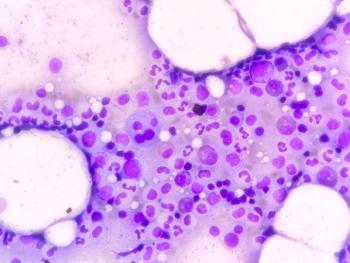
A phase 1/2 analysis found rapid, deep responses with mezigdomide plus elranatamab in patients with relapsed or refractory multiple myeloma, but the small cohort and limited follow-up require cautious interpretation.
The growing importance of comprehensive biomarker testing, toxicity management, and the expanding role of targeted therapies in early-stage thoracic malignancies.
In this interview with Pharmacy Times at Oncology Pharmacists Connect in Austin, TX, Amanda Cass, PharmD, BCPS, BCOP, Clinical Pharmacist Specialist, Vanderbilt-Ingram Cancer Center, discusses how precision medicine continues to reshape treatment strategies in thoracic oncology. She highlights the increasing importance of comprehensive molecular testing in early-stage lung cancer, particularly as emerging data support the use of targeted therapies for biomarkers such as RET, alongside established targets including EGFR and ALK. Cass also addresses practical challenges associated with biomarker testing, emphasizing the need for efficient workflows and timely turnaround of molecular results to ensure patients receive the most appropriate therapy.
Pharmacy Times: Precision medicine continues to reshape thoracic oncology. Which biomarkers are currently having the greatest impact on treatment decisions?
Amanda Cass, PharmD, BCPS, BCOP: Biomarkers have always been important in the treatment of lung cancer. However, based on the most recent data presented at ASCO, obtaining comprehensive molecular testing in patients with early-stage disease has become increasingly important.
For example, we now have data showing a benefit with 3 years of adjuvant selpercatinib in patients with RET-mutated disease. These findings reflect what we have already seen with targeted therapies in EGFR- and ALK-positive lung cancer. Historically, for some of these less common biomarkers, we often extrapolated from data generated in other molecular subgroups. However, we are now seeing larger studies specifically evaluating these smaller biomarker-defined populations.
These data continue to reinforce the importance of performing comprehensive molecular testing early in the disease course so that patients can be identified for the most appropriate targeted treatment strategies.
Pharmacy Times: What challenges do you see most often when implementing comprehensive biomarker testing in clinical practice?
Cass: When implementing comprehensive biomarker testing in clinical practice, one of the biggest challenges is turnaround time. A key question is whether testing is sent at the time of biopsy or whether the patient must first be evaluated by a medical oncologist before testing is ordered.
It is often important to wait for those results before initiating treatment to ensure that patients receive the most appropriate therapy. As a result, patient education is critical. Patients need to understand that results may take several weeks to return and that waiting for those results can be essential for selecting the right treatment strategy.
Ultimately, establishing an efficient workflow within the clinic is one of the most important aspects of implementing comprehensive biomarker testing. It is also one of the most difficult elements to operationalize successfully in routine practice.
Pharmacy Times: As targeted therapies and immunotherapies expand, what key considerations should pharmacists keep in mind when managing these patients?
Cass: When managing patients receiving targeted therapies and immunotherapies, one of the most important considerations for pharmacists is toxicity management. Early recognition and proactive management of treatment-related adverse effects are critical to patient care.
By identifying and addressing toxicities early, pharmacists can help patients remain on therapy longer and improve treatment adherence. This is especially important with newer targeted therapies and immunotherapies, which can have a significant impact on survival outcomes when patients are able to continue treatment as intended.
As a result, effective toxicity monitoring and intervention remain key areas where pharmacists can contribute meaningfully to optimizing patient outcomes.
Pharmacy Times: Looking ahead, what emerging developments in thoracic malignancies are you most excited about and why?
Cass: I think the most exciting development in thoracic malignancies right now is the increasing use of targeted therapies earlier in the treatment course. With the implementation of lung cancer screening programs, we are identifying many more patients with early-stage disease.
Historically, targeted therapies were primarily reserved for patients with advanced or metastatic disease. However, we are now seeing these therapies move into earlier stages of treatment, where they have the potential to make an even greater impact.
The emerging data are demonstrating that targeted therapies can improve outcomes and help prolong survival when used earlier in the disease course. As a result, we are beginning to see the full potential of precision medicine extend beyond advanced disease and into curative-intent treatment settings.