
Pharmacists can navigate career paths through passion, adaptability, and patient-centered soft skills.
Pharmacists can navigate career paths through passion, adaptability, and patient-centered soft skills.
AI is offering new ways to support pharmacists' decision-making and patient care.

Contraceptive options have expanded since 1960, with pharmacists today playing a growing role as prescribers of contraception and studies showing the benefit of pharmacist-driven contraception clinics.
Community pharmacies can enhance medication safety by proactively identifying risks and implementing targeted best practices.

Sally Arif, PharmD, BCCP, discusses her presentation on the critical role of pharmacists in addressing health disparities by improving communication, fostering cultural competence, and promoting pharmacoequity.

Nakia Eldridge, PharmD, MBA, shares insights for health system and community pharmacists attending the 2025 APhA Annual Meeting & Exposition.

Approximately 74% of patients with chronic rhinosinusitis with nasal polyps receiving depemokimab across 2 trials did not need additional intervention.

The 3CL protease inhibitor is designed to suppress the replication of SARS-CoV-2, preventing COVID-19 illness, even if a household member is infected.

Data from conference abstracts and presentations indicate that both preexposure prophylaxis methods continue to demonstrate efficacy.

Although the 16-week end point was not met, tezepelumab demonstrated meaningful effects in patients with chronic spontaneous urticaria (CSU) after 32 weeks.

A pilot program integrated oncology pharmacists into prior authorization workflows to streamline and expedite medication approvals.

Subcutaneous infusion reduces treatment times for patients and eases operational burdens for providers.

Policymakers and health care providers call for reforms to improve transparency, pricing, and patient access.

Specialty pharmacists are critical for enhanced management of clinical and logistical aspects of treatment.

Efficacy and tolerability of topical treatments can vary by region, particularly sensitive areas such as the face and neck.
At week 8, significantly more children, adolescents, and adults who applied 1.5% ruxolitinib cream versus vehicle achieved IGA treatment success.

Fred Saad, MD, discussed findings from the phase 3 ARANOTE and ARASENS trials.

The administration of immunotherapy in adjuvant, neoadjuvant, and perioperative settings offers distinct benefits and challenges in resectable cancers, with recent clinical trials highlighting its potential to improve long-term outcomes and the need for further research into biomarkers and combination strategies.

Nadofaragene firadenovec led to most patients with Bacillus Calmette-Guérin-unresponsive non-muscle invasive bladder cancer (NMIBC) experiencing a complete response (CR) at 3 months.

The FDA’s accelerated approval of lifileucel (Amtagvi; Iovance Biotherapeutics) marks a major milestone in immunotherapy for metastatic melanoma, building on decades of research in tumor-infiltrating lymphocyte therapy.
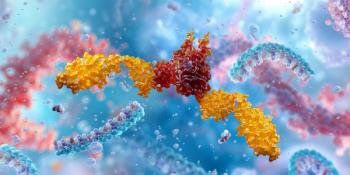
Immunotherapy pioneer James P. Allison, PhD, revolutionized cancer treatment by discovering immune checkpoint blockade, leading to significant advances in survival rates and ongoing efforts to optimize immuno-oncology strategies.

Melody Smith, MD, MS, discusses how microbiome modulation may influence CAR T-cell therapy toxicity and outcomes, highlighting potential future interventions and clinical integration challenges.

The AACR Immunotherapy Conference 2025 will provide pharmacists with the opportunity to engage with cutting-edge cancer immunotherapy research, explore advancements in treatments, such as immune checkpoint inhibitors and CAR T-cell therapy, and connect with key leaders in the field.

Melody Smith, MD, MS, discusses how the intestinal microbiome influences CAR T-cell therapy outcomes, highlighting the negative impact of certain antibiotics and the potential role of dietary interventions in improving treatment efficacy.

Nivolumab demonstrated a sustained disease-free survival benefit over placebo in high-risk muscle-invasive urothelial carcinoma (MIUC).

The data were presented at the 2025 ASCO Genitourinary Cancers Symposium.

C. Brooke Adams, PharmD, BCOP, discusses the evolving diagnostic criteria and management strategies for cytokine release syndrome (CRS) and immune effector cell-associated neurotoxicity syndrome (ICANS) in CAR T-cell therapy, highlighting advances in toxicity prevention and treatment selection.

Data from the phase 2 CABRAMET trial suggests the potential of cabozantinib for treatment of brain metastases from renal cell carcinoma (RCC).
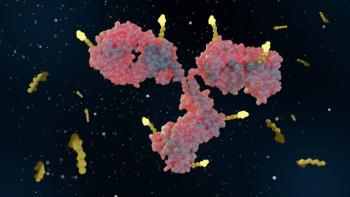
Enfortumab vedotin, trastuzumab deruxtecan, and disitamab vedotin were highlighted at the 2025 ASCO Genitourinary Cancers Symposium.
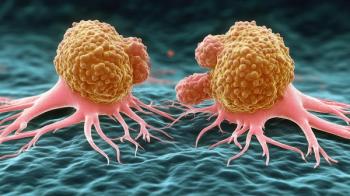
Panelists at the 2025 ASCO Genitourinary Cancers Symposium discussed challenges and new approaches to treatment.