

Multidisciplinary approaches are crucial in treating complex cancer patients, focusing on tailored therapies and symptom management strategies.
Multidisciplinary approaches are crucial in treating complex cancer patients, focusing on tailored therapies and symptom management strategies.
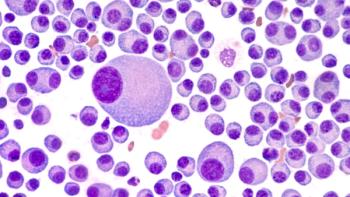
Pharmacists play a crucial role in optimizing CAR-T therapy outcomes by guiding bridging therapy decisions and enhancing patient safety through proactive collaboration.

Pharmacist-led refill authorizations enhance outpatient care, reduce physician burnout, and streamline pharmacy management in health systems, improving patient satisfaction.

Pharmacists enhance multiple myeloma care by managing cytokine release syndrome and advocating for safe vaccination strategies at ASH 2025.

Experts discuss the complexities of gene therapy for sickle cell disease, emphasizing patient support, psychosocial factors, and long-term care considerations.
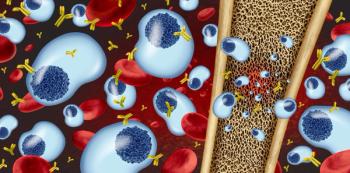
In an analysis of the intention-to-treat population of the BENEFIT study, investigators demonstrated improved sustained minimal residual disease negativity with the Isa-VRd regimen in newly diagnosed multiple myeloma (NDMM).
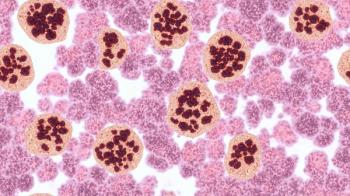
Experts at the ASH Annual Meeting and Exposition in Orlando, Florida, explored innovative strategies and treatments for improving outcomes in diffuse large B-cell lymphoma.

The American Society of Hematology (ASH) Annual Meeting and Exposition will feature the latest news, clinical trial updates, and key opinion leaders in the hematology field.

Emerging pharmacy trends will be highlighted at the American Society of Health-System Pharmacists (ASHP) Midyear 2025, including AI innovations, GLP-1 therapies, and evolving geriatric and neonatal care.
Discover how triple combination therapy for hypertension enhances cardiovascular health, as endorsed by the AHA and supported by pharmacists.

Olezarsen effectively lowers triglycerides and enhances cardiovascular health, especially when combined with fibrates, benefiting pharmacists and patients alike.

The findings from the BATURA clinical trial were presented at the 2025 ACAAI Annual Scientific Meeting.
New triglyceride-lowering therapy Olezarsen significantly reduces severe hypertriglyceridemia and acute pancreatitis risk, offering hope for patients.

The research further emphasizes the need for more attention on both chronic kidney disease (CKD) and mental health conditions.

Depemokimab shows significant improvements in asthma symptoms and peak expiratory flow, supporting its twice-yearly use for severe asthma management.
An expert highlights the need for early detection of aortic stenosis symptoms in elderly patients, urging pharmacists and clinicians to monitor subtle changes.
Biykem Bozkurt, MD, PhD, FACC, highlights the need for reliable activity monitoring in heart failure care, addressing challenges of digital wearables in clinical practice.

The Annual Meeting Highlighted Emerging Research on Hormone Therapy, Brain and Heart Health, Disparities in Menopause Care, and the Expanding Role of Pharmacists

New research reveals GLP-1 receptor agonists like semaglutide offer heart failure benefits beyond weight loss, emphasizing pharmacists' crucial role in patient care.
Pharmacists play a crucial role in holistic healthcare, enhancing patient care through education and collaboration with allied health professionals.
Danny Rischin, MD, reviews findings from the C-POST trial.

Patients with non–small cell lung cancer (NSCLC) had an objective response rate of about 77%.
Scott Tagawa, MD, professor of medicine and urology at Weill Cornell Medicine, discusses safety and tolerability findings observed to date, renal and hematologic considerations, and the role of pharmacists.
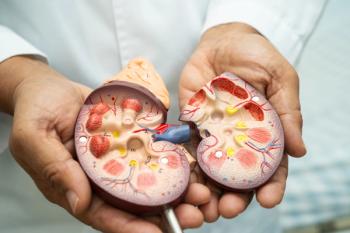
New findings reveal lorundrostat significantly lowers blood pressure and albuminuria in patients with chronic kidney disease, enhancing standard treatment efficacy.

New research reveals similar severe outcomes for adults hospitalized with hMPV and RSV, emphasizing the need for awareness of both infections.
Pharmacists enhance LDL cholesterol management with tailored solutions like enlicitide, improving patient adherence and outcomes in cardiovascular care.

Giredestrant and everolimus show significant survival benefits for ER-positive, HER2-negative advanced breast cancer post-CDK4/6 therapy.
Discover how objective activity monitoring with accelerometers transforms cardiovascular risk assessment and treatment evaluation, enhancing patient care for pharmacists.