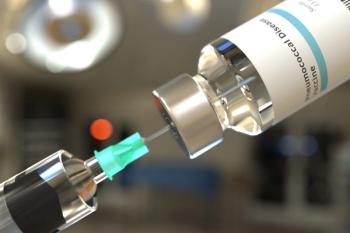
VAX-31 met all primary end points against PCV20 and PCV21 in the pivotal phase 3 OPUS-1 trial.
The CDC testing pause disrupts diagnostic testing for infectious diseases like rabies and mpox, leaving pharmacists and states scrambling for answers.
The CDC has suspended diagnostic testing for more than 2 dozen infectious diseases, including rabies and mpox, marking the broadest laboratory testing halt in the agency’s history. Although federal officials characterize the pause as temporary, the move has alarmed public health experts and raises urgent questions about the downstream effects on community pharmacists who serve as critical frontline health resources.1
According to the Associated Press, the CDC has posted a list of unavailable tests on its website, stating the suspension was part of “a routine review to uphold our commitment to high-quality laboratory testing,” according to Andrew Nixon, a spokesperson for the US Department of Health and Human Services (HHS). Nixon added that some tests were expected to resume “in the coming weeks” but offered no specific timeline.2,3
The suspended tests span a wide spectrum of infectious agents. Some address common viruses for which commercial alternatives exist, such as Epstein-Barr virus and the varicella zoster virus responsible for chickenpox and shingles. Others are far more specialized. Among the suspended assays are 2 human rabies tests, an antemortem diagnostic used to confirm infection in living patients and a rabies antibody titer test used to evaluate immunization status, along with poxvirus panels, fungal disease assays, and a test for Oropouche virus, the pathogen behind so-called sloth fever.1,4
The suspension of poxvirus testing is particularly concerning given that the US had recorded approximately 370 mpox cases through March 2026, nearly 4 years after the 2022 global outbreak highlighted the need for sustained national diagnostic infrastructure.4
Public health experts have linked the testing halt directly to the CDC’s dramatic workforce reduction over the past year. Agency staffing fell by an estimated 20% to 25% through layoffs, retirements, resignations, and nonrenewal of temporary appointments. The National Public Health Coalition, a group of former and current CDC employees formed in the wake of the downsizing, reports that the poxvirus and rabies laboratories each lost approximately half their staff, whereas the CDC’s malaria branch sustained even deeper cuts.1,2
Scott Becker, CEO of the Association of Public Health Laboratories, confirmed that although the CDC has been evaluating its testing protocols since 2024 in the wake of pandemic-era criticisms, the current pause is broader than any previously seen. He noted that staffing issues are a plausible contributor. However, J. Glenn Morris Jr, MD, MPH&TM, professor and director of the Emerging Pathogens Institute at the University of Florida, was more direct, calling the situation “a real disaster from a public health standpoint.”3,5
For practicing pharmacists, disruptions to CDC laboratory infrastructure carry significant practical consequences. Pharmacists depend on timely, reliable surveillance data and confirmed diagnostic guidance to counsel patients, administer vaccines, and respond to emerging infectious threats in their communities. When federal diagnostic capacity is reduced or delayed, pharmacists must often operate on incomplete information at the exact moment that clarity matters most.6
The equity dimension of this disruption is also notable. Large, well-resourced state laboratories, such as those in New York and California, have infrastructure capable of absorbing some of the displaced testing demand. Smaller and underfunded state labs do not. When a suspected rabies case emerges in a rural area, or an unusual poxvirus presentation occurs in a community without access to sophisticated diagnostic resources, CDC testing has historically served as the definitive backstop. Without it, case confirmation slows, contact investigations stall, and the window for effective public health intervention narrows significantly.4
HHS has indicated it will work to coordinate testing through alternate laboratories during the review period, but no specific interim protocol or clear timeline has been established for tests covering the highest-risk diseases. Becker cautioned that the outcome hinges entirely on permanence; the pauses are only problematic “if they’re permanent.” For public health officials and clinicians alike, however, the distinction between a temporary pause and a lasting gap may already be collapsing in practice—with no confirmed restoration date in sight.2,4
As this situation evolves, pharmacists are encouraged to stay current with CDC updates and to lean on their state health department contacts for guidance on alternative testing pathways. The integrity of the national public health infrastructure has long underpinned the pharmacist’s role as a trusted community health resource, and preserving that integrity remains a shared professional responsibility.7