





Chronic Kidney Disease
Latest News
Advertisement
Latest Videos






Advertisement
More News

Large real-world analysis supports potential renal and survival benefits of urate-lowering therapy in patients with chronic kidney disease and hyperuricemia.

The indication is to reduce proteinuria in adults and children aged 8 years and older with focal segmental glomerulosclerosis (FSGS) without nephrotic symptoms.
Risk-based screening, early symptom recognition, and patient engagement can help pharmacists detect chronic kidney disease and prevent progression.
Keith Bellovich, DO, explains how SARS-CoV-2–driven inflammation contributes to kidney injury and may reveal previously undiagnosed chronic kidney disease.

AHA Epidemiology Sessions 2026 show that chronic kidney disease (CKD) proteinuria drops of 30% or more cut heart failure, major adverse cardiovascular events, and death, a key prevention signal.

In a session at the American Pharmacists Association Annual Meeting, Craig Beavers, PharmD, FACC, FAHA, FCCP, BCCP, BCPS-AQ Cardiology, CACP, provided practical insights for pharmacists to optimize the care of patients with cardio-kidney-metabolic conditions.

Albuminuria (uACR) flags early vascular damage linking chronic kidney disease and cardiovascular risk.


Learn why uACR screening flags early vascular damage linking chronic kidney disease and cardiovascular health.

Research suggests a shift from the Cockcroft-Gault formula to race-free eGFR testing to improve kidney function assessment and medication dosing.
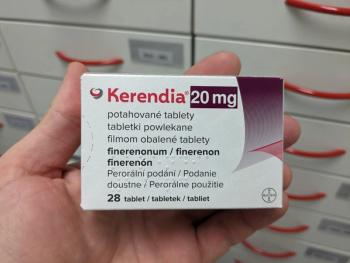
Finerenone slows nondiabetic chronic kidney disease, improving eGFR slope and signaling a possible FDA expansion.
Sibeprenlimab, a new APRIL blocker, cuts proteinuria in IgA nephropathy.

Patients receiving dialysis with primary care physicians had lower rates of emergency department visits compared with those without primary care involvement.
Tanika Kelly, PhD, MPH, discusses her study finding that greater chronic kidney disease (CKD) severity significantly increases the risk of cognitive impairment, with important implications for how pharmacists counsel and support these patients.

A large cohort study found that urate-lowering therapy was associated with a reduction in risk for composite kidney outcomes in patients with stage 3 or higher chronic kidney disease (CKD) and hyperuricemia.

A new cohort study found that proteinuria and lower eGFR—particularly in combination—were prospectively associated with multiple domains of cognitive impairment in patients with chronic kidney disease (CKD).

Pharmacists are central to optimizing chronic kidney disease (CKD) diagnosis and monitoring long-term adherence to disease-modifying therapies.
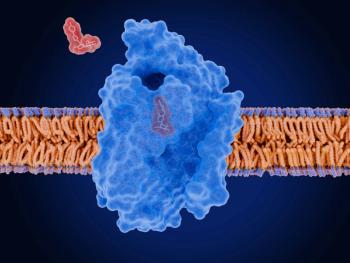
Sodium-glucose co-transporter-2 (SGLT2) inhibitors in patients with type 2 diabetes (T2D) were found to reduce the risk of chronic kidney disease (CKD) and key associated factors, like eGFR and albuminuria.
Cardiotoxic signals released from the kidneys may drive cardiovascular risk in patients with chronic kidney disease, opening the door to earlier detection and targeted treatment.
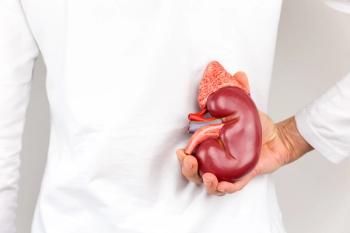
Patients with chronic kidney disease (CKD) send miRNA extracellular vesicles to the heart, contributing to the pathogenesis of heart failure.

Preeclampsia significantly raises the risk of chronic kidney disease (CKD) later in life, highlighting the need for targeted postpartum monitoring for affected women.

Recently released guidelines enhance chronic kidney disease management, emphasizing early detection and innovative treatments for better patient outcomes.

Study authors describe a framework to help patients with chronic kidney disease (CKD) change and adhere to diets.

New research highlights the efficacy and safety of HRS-1780, an investigational nonsteroidal MRA, in treating chronic kidney disease (CKD).

Although both sex groups showed cognitive decline, women with chronic kidney disease (CKD) had significantly better cognitive scores than men.
Advertisement
Advertisement
Trending on Pharmacy Times
1
FDA Approves Bepirovirsen, First ASO for Chronic Hepatitis B
2
Operationalizing Therapy and Managing Hypophosphatemia Risk at UPMC
3
Oncology Pharmacists Reduce Adverse Drug Reactions in Hematologic Cancer Care
4
What Pharmacists Should Know About Sea Buckthorn for Respiratory Health
5