Key Takeaways
- Reframe protective agents and expected lab changes.
- Screen for OTC NSAID use.
- Tie each drug to a matching lifestyle change—and avoid over-restricting protein.
Finerenone, SGLT2s, and GLP-1s each target a different driver of CKD—pharmacists can tie every drug to a matching lifestyle change for adherence.
In an interview with Pharmacy Times, Elizabeth K. Van Dril, PharmD, BCPS, BCACP, CDCES, clinical associate professor and clinical pharmacist at the University of Illinois Chicago (UIC) Retzky College of Pharmacy, and Lauren Cunningham, PharmD, BCACP, CDCES, clinical assistant professor at UIC Retzky College of Pharmacy, discussed the barriers to initiating kidney-protective therapy and how pharmacists can integrate lifestyle and pharmacotherapy in individualized chronic kidney disease (CKD) plans. The discussion was based on a presentation Van Dril and Cunningham gave at the 2026 Association of Diabetes Care and Education Specialists Annual Conference in Columbus, Ohio.
Van Dril identified a core barrier: Agents such as sodium-glucose cotransporter 2 (SGLT2) inhibitors are still viewed primarily as glucose-lowering drugs rather than kidney- and cardiovascular-protective therapies, which delays their use. A second barrier is misreading laboratory changes—the modest estimated glomerular filtration rate declines seen after starting an angiotensin-converting enzyme inhibitor, angiotensin receptor blocker, SGLT2 inhibitor, or finerenone (Kerendia; Bayer) reflect reduced intraglomerular pressure, not injury—so clinicians unfamiliar with the expected response may stop beneficial therapy early. She added hyperkalemia concerns, medication cost, polypharmacy, and hesitancy to add agents. Pharmacists can respond by building monitoring protocols, deprescribing diabetes and hypertension medications without cardiovascular or kidney benefit, connecting patients to affordability programs, and framing therapy as an investment in preserving kidney function.
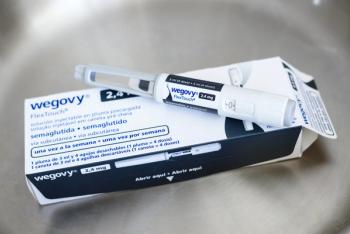
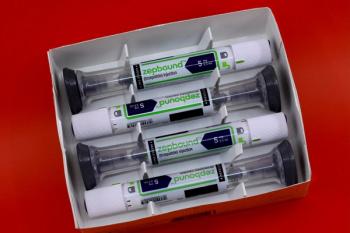
Cunningham emphasized integrating lifestyle and medications rather than presenting them separately, explaining how each drug targets a distinct contributor to progression: RAS blockade lowers blood pressure and albuminuria; SGLT2 inhibitors reduce intraglomerular pressure; glucagon-like peptide-1 receptor agonists support weight loss and glycemic control; and nonsteroidal mineralocorticoid receptor antagonists target inflammatory and fibrotic pathways. Complementary lifestyle steps include Mediterranean or plant-forward eating, sodium reduction, weight management, exercise, smoking cessation, and avoiding nephrotoxic nonsteroidal anti-inflammatory drugs—an especially important counseling point when patients self-treat with OTC products. She noted that most people with nondialysis CKD should target roughly 0.8 to 1.0 g/kg/d of protein, avoiding both excessive restriction and intake above 1.3 g/kg/d. Van Dril closed by stressing that CKD in diabetes is no longer inevitable and that pharmacists can influence nearly every step of the care continuum.
You can watch part 1 of Elizabeth Van Dril and Lauren Cunningham’s interview with Pharmacy Times