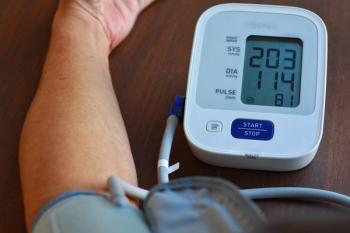
A meta-analysis of 27 trials found 15% lower cardiovascular (CV) event risk per 10-mm Hg SBP reduction, with eGFR declines but no rise in kidney failure.
Patients with CKD and GERD who initiated P-CABs had a 37% lower risk of needing renal replacement therapy.
Proton pump inhibitors (PPIs) are among the most widely prescribed medications, and patients with chronic kidney disease (CKD) are particularly heavy users. Because CKD raises the risk of gastrointestinal disorders such as gastroesophageal reflux disease (GERD), and because many patients with CKD require gastroprotection alongside nonsteroidal anti-inflammatory drugs or anticoagulants, PPIs are a routine part of the pharmacologic landscape in this population.
However, accumulating evidence has linked PPIs to accelerated renal function decline, creating a genuine clinical dilemma for pharmacists and prescribers managing cases involving patients whose kidneys can least afford additional harm.1,2
New study findings published in Kidney International Reports offer a potential path forward. Researchers from Jeonbuk National University and Ewha Woman’s University in South Korea used a target trial emulation framework and Korean National Health Insurance data to compare renal outcomes in patients with CKD who initiated potassium-competitive acid blockers (P-CABs) vs PPIs for GERD. Their findings suggest P-CABs—a newer class of acid-suppressive agents—may carry a meaningfully lower risk of kidney function deterioration in this high-risk group.3
PPIs have long been the standard first-line pharmacologic therapy for GERD, and patients with CKD are prescribed them at disproportionately high rates. Prior research has raised red flags about this pattern. Studies have linked PPI use in patients with CKD to a significantly elevated risk of progression to end-stage kidney disease compared with H2 receptor antagonists. Proposed mechanisms include PPI-induced acute interstitial nephritis and accelerated endothelial cell senescence through impaired lysosomal acidification, a process that may amplify oxidative stress and vascular aging, ultimately contributing to kidney injury.3,4
P-CABs have emerged as a promising alternative. Unlike PPIs, which require an acidic environment for activation, P-CABs act rapidly and maintain prolonged acid suppression.5
The researchers drew on Korean National Health Insurance data, a database covering approximately 97% of the country's population, to identify adults 20 years or older with established CKD who were newly initiating P-CABs or PPIs for GERD between 2019 and 2022. Patients with a prior history of renal replacement therapy (RRT) or a recent cancer diagnosis were excluded. A total of 34,077 patients were included in the final cohort, with 4107 P-CAB users and 29,970 PPI users identified before propensity score matching.3
The primary outcome was the first initiation of composite RRT, which included hemodialysis, peritoneal dialysis, and kidney transplantation. The investigators employed Cox proportional hazards models and conducted an intention-to-treat analysis as a secondary approach.3
After propensity score matching and covariate adjustment, P-CAB use was associated with a 37% lower risk of composite RRT initiation compared with PPI use (HR, 0.63; 95% CI: 0.45-0.88; P = .0070). Although HRs for the individual RRT components—hemodialysis, peritoneal dialysis, and kidney transplantation—all trended in favor of P-CABs, those individual comparisons did not reach statistical significance. The intention-to-treat analysis showed a consistent, although slightly attenuated, result (HR, 0.90; 95% CI, 0.82-0.99), which the authors attributed in part to the dilution of exposure-outcome associations over longer follow-up.3
Subgroup analyses revealed that the renal safety advantage of P-CABs was particularly pronounced in certain patient populations. Patients 65 years or older showed a significantly lower risk with P-CAB use (adjusted HR, 0.59; 95% CI, 0.36-0.95), as did patients with a history of diabetes (adjusted HR, 0.62; 95% CI, 0.41-0.94) and those with prior use of angiotensin-converting enzyme inhibitors (ACE) or angiotensin II receptor blockers (ARB) (adjusted HR, 0.60; 95% CI, 0.39-0.91). Longer treatment durations of 29 days or more and lower average daily doses were also associated with greater protective effects with P-CABs.3
For pharmacists involved in medication therapy management or transitions of care for patients with CKD, these findings carry practical weight. Patients with CKD are frequently coprescribed PPIs for gastroprotection alongside nephrotoxic or gastrointestinal-irritating agents, and they often carry additional risk factors—older age, diabetes, and concurrent ACE inhibitor or ARB use—that this study identified as precisely the subgroups where P-CABs showed the most meaningful renal safety signal.3,4
The authors note that phase 3 clinical trials of P-CABs have historically excluded patients with clinically significant renal disease, making real-world data of this kind especially valuable. To their knowledge, this is the first large-scale cohort study to directly compare RRT risk between P-CABs and PPIs in patients with CKD. The study was conducted exclusively in a South Korean population, where tegoprazan (K-CAB; Sebela Pharmaceuticals) accounted for 93.9% of P-CAB prescriptions, a limitation that warrants caution when extrapolating to other P-CAB agents or broader patient populations. Additionally, the claims-based nature of the data precluded inclusion of laboratory values such as serum creatinine or estimated glomerular filtration rate.3
Nonetheless, the study adds an important evidence-based dimension to the ongoing conversation about PPI safety in renally compromised patients and positions P-CABs as a drug class pharmacists should be familiar with as availability in the US expands.3
Stay informed on drug updates, treatment guidelines, and pharmacy practice trends—subscribe to Pharmacy Times for weekly clinical insights.
Subscribe