Commentary|Articles|January 27, 2026

Q&A: How Chronic Kidney Disease Drives Cardiovascular Risk Beyond Traditional Factors

Listen
0:00 / 0:00

Cardiotoxic signals released from the kidneys may drive cardiovascular risk in patients with chronic kidney disease, opening the door to earlier detection and targeted treatment.

In an interview with Pharmacy Times®, Uta Erdbrügger, MD, an associate professor of nephrology at the University of Virginia Division of Nephrology, explains research demonstrating that chronic kidney disease (CKD) increases cardiovascular risk through direct kidney-heart communication rather than shared risk factors alone.

The study shows that kidneys release extracellular vesicles containing cardiotoxic cargo that can damage the heart, offering a potential causal explanation for the accelerated heart disease seen in CKD. Erdbrügger explains how these findings could lead to new biomarkers that detect subclinical heart failure earlier, allowing clinicians and pharmacists to intervene sooner with targeted therapies. Erdbrügger also highlights the role pharmacists may play in future screening, risk stratification, and interdisciplinary care as novel risk prediction models and treatment strategies are developed.

Pharmacy Times: Can you explain how this data enhances our understanding of why chronic kidney disease (CKD) increases cardiovascular risk beyond shared risk factors like hypertension and diabetes?

Uta Erdbrügger, MD: Our patients with chronic kidney disease—1 in 7 Americans have that—have what I call accelerated heart disease. They have higher incidences of heart failure, and over 50% die of cardiovascular complications. So far, this residual risk has not been defined, and in our study, we show that the organs communicate with each other.

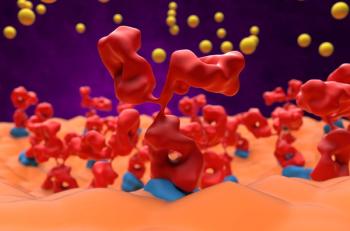
We utilized extracellular vesicles. These are small blebs secreted from every cell in the body, and they carry cargo. We show that the kidney releases these little blebs, or vesicles, with cargo that is cardiotoxic, so they harm the heart. This is the first kind of causal explanation that there is something in the circulation, in the blood, going from the kidney to the heart.

Pharmacy Times: How might these insights influence the way clinicians, including pharmacists, think about cardiovascular risk in patients with even mild kidney impairment?

Erdbrügger: We are in a very exciting time with new drugs available to lower cardiovascular risk: the obesity drugs, glucagon-like peptide-1 (GLP-1) receptor agonists, sodium-glucose cotransporter-2 (SGLT2) inhibitors, and mineralocorticoid receptor blockers. We have what I call a toolbox of drugs.

Key Takeaways

* Chronic kidney disease (CKD) increases cardiovascular risk through direct kidney-heart communication mediated by extracellular vesicles.

• Novel biomarkers independent of kidney function may help identify subclinical heart damage earlier in CKD patients.

• Pharmacists could play a key role in future screening, treatment escalation, and interdisciplinary management of cardiovascular risk in CKD.

We hope to develop biomarkers that tell us whether a patient is at risk or already has underlying heart failure, which in some patients might be subclinical. Subclinical means they do not have symptoms. You have kidney disease, and you walk around not knowing that your heart is already getting hurt. If we have early markers of heart failure risk or even damage, we could escalate drug treatment and intervene sooner—early detection, early treatment—and therefore improve outcomes. For pharmacists, this is very interesting, as it can provide guidance for drug choices.

Pharmacy Times: For pharmacists counseling patients with CKD, what are the practical takeaways from this study regarding cardiovascular risk assessment and the importance of interdisciplinary care?

Erdbrügger: People with CKD should know that they have an increased cardiovascular risk. The American Heart Association also has a risk score, the PREVENT score. We are trying to get more information beyond traditional risk factors, which are independent of kidney function. Some stress markers of the heart depend on kidney function, such as B-type natriuretic peptide (BNP) and troponins. Our goal is to find biomarkers, and extracellular vesicles could be biomarkers that are independent of kidney function and can be used early on to identify these patients.

Pharmacy Times: What role can pharmacists play in promoting early detection, screening, and referral to appropriate care to help mitigate cardiovascular risk?

Erdbrügger: Our study is just the beginning of understanding this organ communication and identifying additional markers that can help assess cardiovascular risk. Once these findings are validated, clinical studies with the help of pharmacists will be needed to see whether these markers can guide more intensive treatment. That is where pharmacists can play an important role.

Pharmacy Times: How might your findings influence future risk prediction models and treatment recommendations that pharmacists and clinicians use to guide care?

Erdbrügger: We hope, with future work, to build novel risk calculators. We are working together with data analysts to develop exactly what you are describing.

Pharmacy Times: Is there anything else that you may want to add?

Erdbrügger: I am very excited about this research because I am a kidney doctor and take care of these patients all the time. It would be helpful to have an extra tool to tell some patients that they need more aggressive treatment and others that they do not. I think this will help advance precision medicine as well.

Newsletter

Stay informed on drug updates, treatment guidelines, and pharmacy practice trends—subscribe to Pharmacy Times for weekly clinical insights.


Latest CME