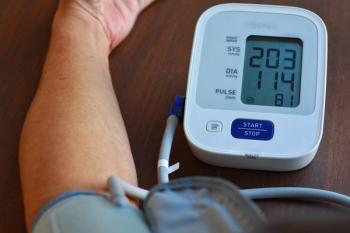
A meta-analysis of 27 trials found 15% lower cardiovascular (CV) event risk per 10-mm Hg SBP reduction, with eGFR declines but no rise in kidney failure.
Boston University researchers say flat chronic kidney disease (CKD) prevalence conceals a growing diabetes-linked burden, and pharmacists have a key role in closing screening gaps.
In an interview with Pharmacy Times, Ashish Verma, MBBS, assistant professor of nephrology at Boston University Chobanian & Avedisian School of Medicine, and Sophie Claudel, MD, a clinical instructor and resident physician in nephrology at Boston Medical Center and Boston University Chobanian & Avedisian School of Medicine, discussed
Claudel noted that the overlap between CKD, diabetes, and heart failure presents an opportunity for earlier identification and treatment, since these patients are already engaging frequently with the health care system. Both experts emphasized that albuminuria—measured via the urine albumin-to-creatinine ratio (UACR)—is significantly underchecked compared with estimated glomerular filtration rate (eGFR), creating a major blind spot in CKD detection. Verma noted that much of the CKD identified in their data, particularly among community-dwelling adults, was driven by albuminuria alone, with normal eGFR values masking real risk.
Both experts pointed to pharmacists as key players in closing this gap, encouraging them to ask patients with diabetes, hypertension, or heart failure whether their urine albumin has been checked and to follow up on guideline-directed medication use. With roughly 14% of the population estimated to have CKD, the researchers stressed that many affected individuals remain unaware of their diagnosis, underscoring the importance of consistent screening, patient education, and pharmacist-led intervention to help reverse current trends.
Stay informed on drug updates, treatment guidelines, and pharmacy practice trends—subscribe to Pharmacy Times for weekly clinical insights.
Subscribe