

























































































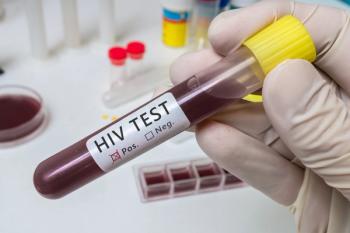
Patients with HIV can donate a kidney to others with HIV who have a low risk of developing end-stage renal disease or other kidney problems for 2 to 4 years following donation.
Patients with HIV can donate a kidney to others with HIV who have a low risk of developing end-stage renal disease or other kidney problems for 2 to 4 years following donation.

A significant proportion of patients had negative hepatitis B surface antibody titers, indicating a need for vaccination to ensure protection for patients undergoing hemodialysis.
With approximately 2 years of additional follow-up, lenvatinib plus pembrolizumab maintained robust effectiveness for nearly every patient.

The approval makes remdesivir the first and only approved antiviral treatment for patients across all stages of renal disease.
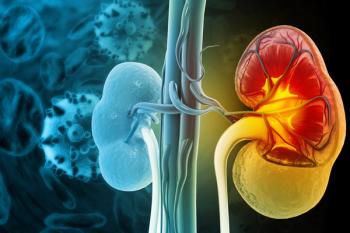
Pharmacists can use their knowledge and professional judgment to educate patients about when it is appropriate to take these medications and when to avoid them.

Stormi Gale, PharmD, BCCP, a cardiology pharmacy specialist at Novant Health, discussed the important role of SGLT2 inhibitors in glycemic control.
The proportion of participants with cytomegalovirus disease was 10% with letermovir and 12% with valganciclovir.
Treatment with Injectafer significantly improved exercise capacity compared to placebo in a randomized clinical trial in adult patients with heart failure.

In addition to 2 FDA-approved options, several clinical trials are investigating other potential treatments for immunoglobulin A nephropathy.

Studies show that patients who had pharmacists as part of their transplant-related care had a significant improvement in clinical outcomes.
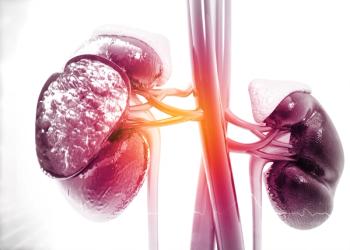
A linear mixed-effect model for repeated estimated glomerular filtration rate measurements at baseline and a follow-up visit, up to 5 years after baseline, shows results.
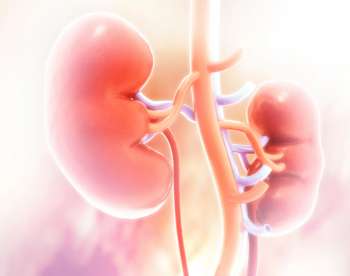
It is important for pharmacists to understand implications related to drug clearance to maximize therapeutics in patients with kidney disease.
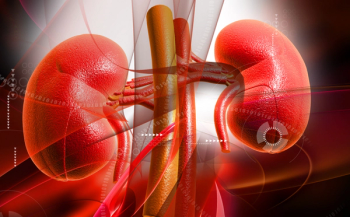
Finerenone is a first in class nonsteroidal mineralocorticoid receptor antagonist indicated in adults with chronic kidney disease associated with type 2 diabetes mellitus.

Study participants without co-pays were slightly more likely to take their medications as prescribed for several medication classes.
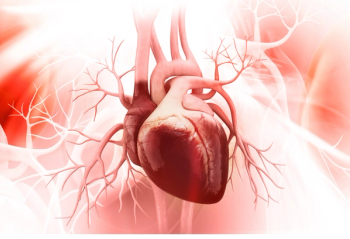
The 2022 American Heart Association, American College of Cardiology, and Heart Failure Society of America guidelines recommend SGLT2 inhibitors for nearly all patients in cardiovascular practice.

Pharmacists play a vital role in ensuring that patients can afford their medications, either by advising them on more affordable options or working with insurers and prescribers to find cheaper alternatives.
Sparsentan decreased proteinuria by nearly 50% in patients with IgA nephropathy, which may slow kidney function decline.
Letermovir is the only drug approved for prophylaxis of cytomegalovirus (CMV) infection for patients who are CMV-seropositive and have received an allogeneic HSCT.

Patients with heart failure are at a significant risk of cardiorenal diseases, highlighting the need for improved treatments and cost management.
The knowledge of clinical pharmacists can help protect kidney function and prevent the development of acute kidney injury in ICU patients.

Daprodustat (Jesduvroq, GSK) is the first oral hypoxia-inducible factor prolyl hydroxylase inhibitor to gain approval in the United States.
Providers must carefully prescribe, monitor, and adjust renally relevant drug lists in patients with chronic kidney disease to prevent progression.

A community-based multidisciplinary team can have a significant impact addressing health disparities and diabetes management.
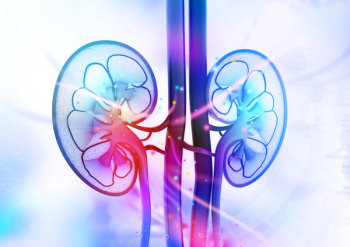
In a phase 3 trial, empagliflozin significantly reduced the risk of kidney disease progression or cardiovascular death in adults with chronic kidney disease by 28% compared with placebo.

The oral SGLT2 inhibitor has been shown to reduce blood sugar and improve glycemic control as an adjunct to diet and exercise.