




















































































Trial of empagliflozin (Jardiance) in adults with chronic kidney disease will end early based on a recommendation from the trial’s Independent Data Monitoring Committee based on clear positive efficacy.
Trial of empagliflozin (Jardiance) in adults with chronic kidney disease will end early based on a recommendation from the trial’s Independent Data Monitoring Committee based on clear positive efficacy.

The FDA has approved Difelikefalin injection (Korsuva; Cara Therapeutics and Vifor Pharma) for the treatment of moderate-to-severe chronic kidney disease–associated pruritus in adults undergoing hemodialysis.
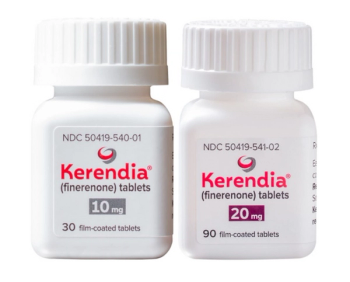
Finerenone (Kerendia) is indicated to reduce the risk of sustained eGFR decline, end stage kidney disease, cardiovascular death, non-fatal myocardial infarction, and hospitalization for heart failure in adult patients with chronic kidney disease.
Women had lower health-related quality of life at the beginning of the study, although men experienced a more rapid decline over time.
Severe or prolonged inflammation associated with glomerulonephritis can damage the kidneys.
New research raises concerns about the commonly prescribed medications used to treat heart failure and high blood pressure, though investigators say patients should continue to take them.
A survey was administered electronically to key kidney care stakeholders in 182 International Society of Nephrology (ISN)-affiliated countries, with 88% responding and 97% answering the survey items related to kidney nutrition care.
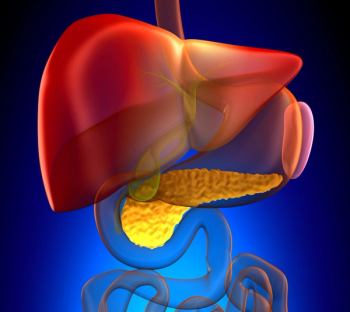
Symptoms of Gaucher disease include abdominal complaints, skeletal abnormalities, and blood disorders.
Ten quiz questions to assess your knowledge on dialysis.

Major metabolites for cannabinoids may interfere with two families of enzymes that help metabolize a wide range of drugs prescribed for a variety of conditions.
Up to 60% of arteriovenous fistulas fail to develop properly due to smooth muscle cell hyperplasia.
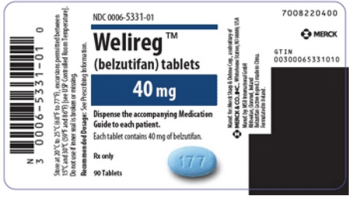
Belzutifan is indicated for the treatment of adult patients with von Hippel-Lindau disease who require therapy for associated renal cell carcinoma, central nervous system hemangioblastomas, or pancreatic neuroendocrine tumors.

Pharmacists can play an important role in avoiding common medication errors for patients receiving direct oral anticoagulants.

Rivaroxaban and apixaban are the most commonly prescribed direct oral anticoagulants, although they may be most effective in different populations.
Assessing stroke benefit and net clinical benefit of anticoagulation is essential in patients with end-stage renal disease and atrial fibrillation.
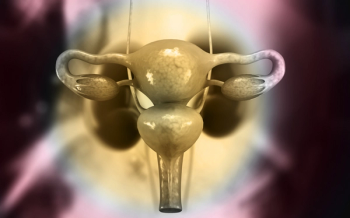
Parathyroid hormone (Natpara) is indicated to control hypocalcemia in patients with hypoparathyroidism.
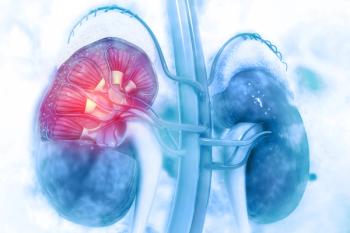
Investigators from Michigan Medicine analyzed data from 16,700 individuals in a new study.
Iptacopan demonstrated statistically significant and clinically important reductions in proteinuria for patients with C3 glomerulopathy.
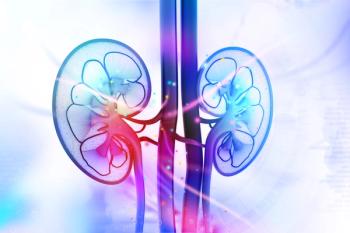
Investigators have identified a novel signaling pathway and enzyme that may further the understanding of blood clot formation in patients with chronic kidney disease.


The results were presented at the American Society of Nephrology Kidney Week 2021.
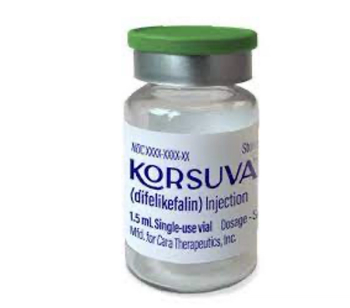
Difelikefalin treats moderate-to-severe pruritus associated with chronic kidney disease in adults undergoing hemodialysis.
Peter Stenvinkel, MD, PhD, FASN, full professor and senior lecturer at Karolinska University Hospital, Karolinska Institutet, discusses what pharmacists can do to support patients in the intervention or prevention of chronic kidney disease.
The research team analyzed links between pesticide exposure and the risk of kidney dysfunction in 41,847 people using data from the USA National Health and Nutrition Examination Survey.

The most common conditions that cause bladder stones are prostate gland enlargement and damaged nerves.