Key Takeaways
- Screen and stage with both eGFR and UACR.
- Treat CKD therapy as layered, not either/or.
- Stagger initiation and expect a hemodynamic eGFR dip.
Chronic kidney disease (CKD) in diabetes is often caught late. Standardized eGFR and UACR screening plus thoughtful sequencing can slow progression and cut CV risk.
In an interview with Pharmacy Times, Elizabeth K. Van Dril, PharmD, BCPS, BCACP, CDCES, clinical associate professor and clinical pharmacist at the University of Illinois Chicago (UIC) Retzky College of Pharmacy, and Lauren Cunningham, PharmD, BCACP, CDCES, clinical assistant professor at UIC Retzky College of Pharmacy, discussed how pharmacists can standardize chronic kidney disease (CKD) screening and sequence kidney-protective therapy in people with diabetes. The discussion was based on a presentation Van Dril and Cunningham gave at the 2026 Association of Diabetes Care and Education Specialists Annual Conference in Columbus, Ohio.
Van Dril explained that early identification of CKD remains one of the biggest opportunities for improvement. Many people with diabetes still don't receive both recommended screening components—an estimated glomerular filtration rate (eGFR) to assess kidney function and a urine albumin-to-creatinine ratio (UACR) to assess kidney damage—even though CKD is often asymptomatic until it is advanced. She noted that screening should begin 5 years after diagnosis in type 1 diabetes and at diagnosis in type 2 diabetes and that both eGFR and UACR must be checked because either can be abnormal alone. A frequently missed step is complete staging: Notes often classify CKD by eGFR alone, omitting albuminuria. Van Dril urged pharmacists to apply the full Kidney Disease: Improving Global Outcomes (KDIGO) classification—GFR stages G1-G5 and albuminuria categories A1–A3—because preserved eGFR with significant albuminuria still carries progression and cardiovascular risk.
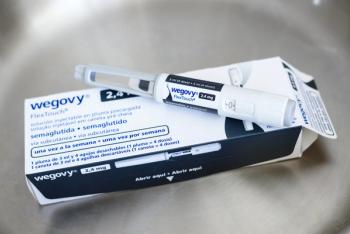
Cunningham described a shift from single-drug treatment to a layered framework: renin-angiotensin system blockade with an ACE inhibitor or angiotensin receptor blocker (ARB), a sodium-glucose cotransporter 2 (SGLT2) inhibitor, and, when appropriate, a GLP-1 receptor agonist and/or a nonsteroidal mineralocorticoid receptor antagonist such as finerenone (Kerendia; Bayer). She emphasized titrating to maximally tolerated doses, anticipating a modest eGFR decline (acceptable up to 30% from baseline), and staggering agents so that lab changes can be interpreted cleanly. Sequencing should also weigh immediate glycemic needs, and the phase 2 CONFIDENCE trial (NCT05254002) data suggest simultaneous finerenone and SGLT2 inhibitor initiation may reduce albuminuria more than either alone. Both pharmacists stressed that pharmacists are well positioned to standardize screening, staging, and evidence-based treatment.