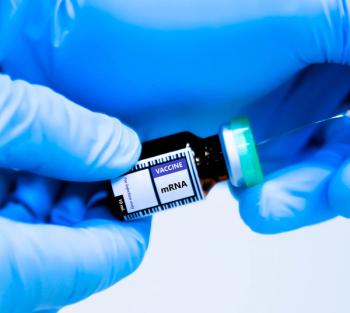
Despite the controversy surrounding mRNA's role in the COVID-19 response, the technology's broader promise—to prevent, treat, and even cure a host of diseases—is coming into focus.
A new study describes the high symptom burden carried by pediatric long COVID patients and highlights integrative medicine's role in their care.
Long COVID is not an adult-only condition. Millions of children contract SARS-CoV-2, of which a significant subset continues to suffer from persistent, debilitating symptoms that disrupt schooling, social life, and family well-being. A new study published in Open Forum Infectious Diseases demonstrates the scale of this burden in the pediatric population and offers how interdisciplinary care teams, including pharmacists, might help these patients recover.1
When University Hospitals (UH) Rainbow Babies & Children's Hospital launched its Pediatric COVID Recovery Clinic in March 2021, clinicians were operating without a national standard of care. Patients aged 1 to 26 years were enrolled if they experienced new symptoms or a notable worsening of preexisting symptoms following a COVID-19 infection.1
The retrospective study, conducted between March 2021 and June 2023, identified a cohort of 214 pediatric patients with long COVID. Patients completed validated questionnaires measuring symptom severity and health-related quality of life as part of their ongoing care with the clinic.1
The UH study revealed that the children seen at the Pediatric COVID Recovery Clinic reported elevated rates of sleep disturbance, sleep-related impairment, anxiety, depression, and fatigue. Notably, many of these scores were more severe than national norms and those reported by children living with other recognized chronic conditions, including chronic pain, cancer, sickle cell disease, and autism.1
These findings underscore that long COVID in children can be mistaken for or dismissed as anxiety or school avoidance, rather than recognized as a physiologically driven syndrome.1
“Many had been dismissed by multiple providers previously as having only anxiety and school avoidance, and these metrics revealed their consistent, true lived experience,” said David W. Miller, MD, LAc, medical director of pediatric integrative medicine at UH Connor Whole Health and first author of the study.1
The care model at the UH clinic paired infectious disease physicians with integrative medicine specialists for the first 12 to 18 months of a patient’s engagement. The team collaborated with additional specialists to assess possible nutritional deficiencies and correct modifiable lifestyle factors using integrative approaches, which included pacing, diet modifications, sleep hygiene, and physical self-care.1
For fatigue related to long COVID and for patients with features resembling myalgic encephalomyelitis/chronic fatigue syndrome, pacing and low-dose naltrexone (LDN) emerged as key pharmacological and behavioral interventions. Patients with anxiety-related long COVID often require antihistamines in addition to nondrug strategies such as cognitive reframing, breathing techniques, and dietary modifications. Approximately 30% of patients also utilized Chinese herbal medicine under physician guidance.2
For pharmacists, the UH study highlights several clinical touchpoints. Medication management in pediatric long COVID is complex and highly individualized. LDN, antihistamines, and nutritional supplements may all enter the medication regimen, often alongside therapies for underlying comorbidities. Ensuring appropriate dosing, monitoring for drug interactions, and counseling families on the evidence base and limitations of each intervention are areas where pharmacist involvement can add meaningful value.
A US scoping review of pediatric post-acute sequelae of SARS-CoV-2 found that a multidisciplinary approach to both diagnosis and management was common across studies, reinforcing that no single provider can address the full scope of the condition alone.3
“We hope this study expresses how profoundly these young people are affected by this condition and inspires others to recognize the syndrome, treat it as thoroughly as possible, and have profound compassion for families affected,” Miller said.1
Although the UH study is descriptive and limited to a single-center retrospective cohort, it represents one of the more detailed early characterizations of how interdisciplinary pediatric long COVID care is actually delivered, along with the scale of suffering it seeks to address. Researchers acknowledge that the mechanisms driving long COVID in children remain poorly understood and that predicting who will fully recover vs who will experience longitudinal symptoms is still not possible.1
As long COVID clinics continue to evolve their protocols, studies like this one provide a foundation for developing more standardized, evidence-based approaches—and make the case for embedding pharmacists as integral members of the interdisciplinary team.