

As Novo Nordisk transitions patients from Rybelsus to newer, higher-efficacy oral semaglutide formulations, pharmacists are on the front lines of counseling, dosing clarification, and adverse effect management.
As Novo Nordisk transitions patients from Rybelsus to newer, higher-efficacy oral semaglutide formulations, pharmacists are on the front lines of counseling, dosing clarification, and adverse effect management.

Bundibugyo Ebola spreads in DRC and Uganda as the WHO declares a public health emergency of international concern; learn the case counts, travel alerts, and pharmacist readiness steps.
Adding immune checkpoint inhibitors to carboplatin and paclitaxel has become the new frontline standard for advanced or recurrent endometrial cancer.

Clinical pharmacists may play an increasingly important role in longitudinal metabolic care, medication optimization, patient education, and multidisciplinary peptide management.
Spencer Durham, PharmD, FCCP, BCPS, BCIDP, discusses why hepatitis B remains an active public health threat.

The approval ends a decades-long gap in care for patients with chronic hepatitis delta virus (HDV) infection, a serious and life-threatening coinfection with hepatitis B that can rapidly progress to cirrhosis, liver cancer, and liver failure.
A board-certified psychiatric pharmacist breaks down how systemic fragmentation, access barriers, and policy gaps are undermining schizophrenia treatment—and what must change.

Community pharmacists emerged as the critical clinical link in the modern patient care continuum
This week's episode covers the White House's expansion of the TrumpRx.gov platform, the pharmacist's critical role in closing adult hepatitis B vaccination gaps, and new FDA approvals in immunology, oncology, and cardiovascular care.
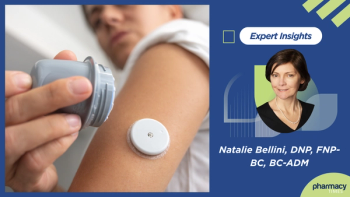
Natalie Bellini, DNP, FNP-BC, BC-ADM, breaks down how updated ADA guidelines have broadened eligibility for continuous glucose monitors, automated insulin delivery systems, and continuous ketone monitoring.

Real-world data reveal that moderate to severe depression is linked to poor control and adherence, and women are more likely to be impacted.

If approved for this indication, finerenone would become the first nonsteroidal mineralocorticoid receptor antagonist indicated for adults with type 1 diabetes and CKD.
On World Schizophrenia Day, a psychiatric pharmacist details how EHR fragmentation drives medication errors in schizophrenia care, and why provider recognition is essential to fixing it.
Susan Cornell, PharmD, CDCES, FAPhA, FADCES, explains how pharmacists should approach continuous glucose monitoring (CGM) report review and explains why individualized patient education is key.
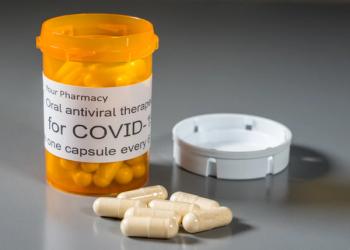
A large prospective cohort study offers pharmacists and clinicians new data to consider when counseling patients on the long-term value of early antiviral treatment.
Pharmacy Times speaks with Sarah Sparks, MHA, MBA, Director of Clinical Data Quality at Ontada, through strengthening oncology real-world data quality through clinically relevant edit checks.
The approval is supported by data from the phase 3 TROPION-Breast02 trial.
GLP-1 receptor agonists, molecular profiling, and biomarker-driven treatment strategies may help improve outcomes and personalize care for patients at risk for or diagnosed with endometrial cancer.
Amy Hess-Fischl, MS, RDN, LDN, BC-ADM, CDCES, explains how pharmacists can better leverage underutilized continuous glucose monitoring (CGM) app features and address the education gaps that prevent patients from achieving long-term CGM persistence.

This FAQ covers current dispensing regulations, practical considerations for pharmacists, and the clinical pharmacology of mifepristone.
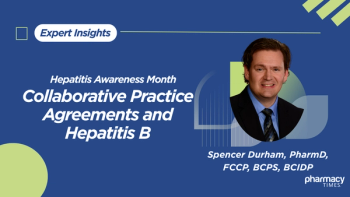
Pharmacists can use immunization registry data, collaborative practice agreements, and evidence-based vaccine advocacy to close adult hepatitis B care gaps.
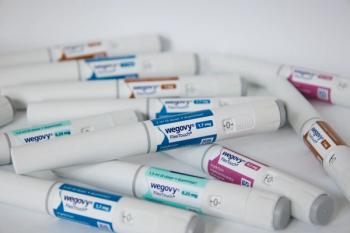
GLP-1 receptor agonists may reduce asthma flare-ups in nondiabetic adults with obesity, hinting at anti-inflammatory benefits.

Identifying inappropriate OTC medications and recommending safer pharmacotherapy treatments are important roles for pharmacists.
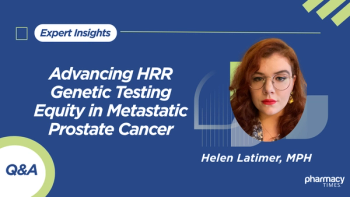
Pharmacy Times speaks with Helen Latimer, MPH, to discuss the advancement of HRR genetic testing equity in metastatic prostate cancer.

Hemophilia management is shifting from traditional intravenous therapies toward subcutaneous agents.

Pharmacy Times speaks with Jeff Goad, PhD, MPH, a professor of pharmacy practice at Chapman University, on the role pharmacists play during outbreaks or rising measles cases.

GLP-1 receptor agonists could influence endometrial cancer prevention, obesity management, fertility preservation, and molecularly guided treatment strategies in gynecologic oncology.
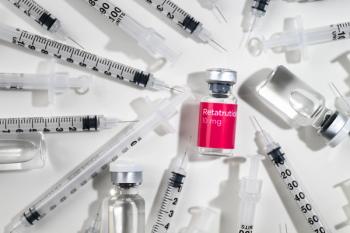
Eli Lilly's investigational triple hormone receptor agonist achieved average weight loss of up to 70.3 lb over 80 weeks.

A retrospective cohort study determined that individuals who consumed less than 1.0 g/kg/day of protein had significantly better kidney-related outcomes over 15 years of follow-up.
Expert highlights why hepatitis B vaccination remains an urgent priority for adult patients and why the 2-dose Heplisav-B regimen's faster seroprotection offers meaningful public health advantages over the traditional 3-dose series.