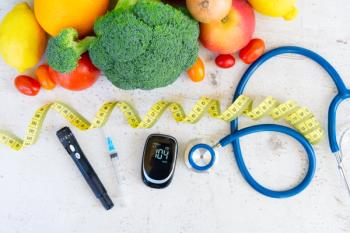
As accessible health care providers, pharmacists can raise awareness about the proper use of OTC blood glucose meters and continuous glucose monitoring devices.
As Novo Nordisk transitions patients from Rybelsus to newer, higher-efficacy oral semaglutide formulations, pharmacists are on the front lines of counseling, dosing clarification, and adverse effect management.
When the FDA approved semaglutide tablets (Rybelsus; Novo Nordisk) in 2019, it marked a breakthrough: the first oral glucagon-like peptide-1 (GLP-1) receptor agonist available in the US for adults with type 2 diabetes (T2D). Now, that landscape has transformed significantly.1
In December 2024, the FDA approved a next-generation oral semaglutide formulation (R2) at doses of 1.5 mg, 4 mg, and 9 mg, offering improved bioavailability. A year later, in December 2025, the FDA approved once-daily oral semaglutide 25 mg (Wegovy; Novo Nordisk), the first oral GLP-1 receptor agonist indicated for chronic weight management. As of May 4, 2026, Novo Nordisk launched the R2 formulation nationwide under the Ozempic brand name, effectively phasing out Rybelsus in the US.1-3
With shifting names, dosages, and indications, it is pivotal for pharmacists to educate themselves on the current landscape of oral GLP-1 medications—and what they need to know about efficacy and safety for patients.
Rybelsus (R1 formulation) relies on coformulation with salcaprozate sodium (SNAC), an absorption enhancer that locally raises gastric pH to protect semaglutide from enzymatic degradation and facilitates transcellular absorption through the stomach wall. Despite this engineering, oral bioavailability remains below 1%, making strict adherence to administration conditions essential.4,5
The R2 formulation achieves approximately 25% greater semaglutide exposure than R1 through improvements in excipient composition. This enhanced bioavailability allows lower absolute doses to deliver equivalent therapeutic exposure: 1.5 mg (R2) is bioequivalent to 3 mg (R1); 4 mg (R2) to 7 mg (R1); and 9 mg (R2) to 14 mg (R1). Now, Novo Nordisk is shifting the branding of Rybelsus to instead be known as Ozempic to reduce patient confusion and unify all of its GLP-1 products for T2D under 1 brand.3
Pharmacists must counsel patients that although the dose number and the name on their label have changed, the therapy has not. The products are not milligram-for-milligram interchangeable, and patients should not switch formulations without provider guidance.6,7
In October 2025, oral semaglutide received FDA approval for cardiovascular (CV) risk reduction in adults with T2D at high CV risk, supported by the phase 3 SOUL trial (NCT03914326), a double-blind, placebo-controlled outcomes trial of 9650 patients. SOUL demonstrated a significantly lower risk of major adverse cardiovascular events with oral semaglutide vs placebo, with benefits consistent across subgroups regardless of SGLT2 inhibitor use.8,9
The Wegovy pill's December 2025 approval was supported by OASIS 4 (NCT05564117), a 64-week phase 3 trial of 307 adults with obesity or overweight without diabetes. Patients receiving once-daily oral semaglutide 25 mg achieved a mean body weight reduction of 13.6% from baseline vs 2.2% with placebo; among those who remained on treatment, mean weight loss reached 16.6%, with approximately 1 in 3 achieving 20% or greater weight loss. Novo Nordisk has noted comparable efficacy between the Wegovy pill and injectable Wegovy in indirect treatment comparisons.10,11
It remains critical for pharmacists to note that the Ozempic pill is only approved by the FDA to lower hemoglobin A1C and reduce the risk of major cardiovascular events in patients with type 2 diabetes, whereas Wegovy, in a pill, is approved as an adjunct to diet and exercise for chronic weight management. Patients will surely present to the pharmacy with questions regarding each formulation, and pharmacists are in a key position to explain the differences in indications.
The adverse effect profile across all oral semaglutide formulations remains characteristic of the GLP-1 receptor agonist class: nausea, diarrhea, vomiting, and constipation are most common, tend to be dose-dependent, and typically attenuate over time. Oral semaglutide's low, variable bioavailability may contribute to a modestly higher gastrointestinal (GI) burden compared with subcutaneous formulations. All semaglutide products carry a boxed warning for risk of thyroid C-cell tumors and are contraindicated in patients with a personal or family history of medullary thyroid carcinoma or multiple endocrine neoplasia type 2. Pharmacists should also be aware that the FDA recently added delayed gastric emptying to the semaglutide label as a labeled adverse event, with implications for perioperative management.12,13
Pharmacists are uniquely positioned to prevent errors and support patients through this transition. Several counseling priorities stand out. First, administration instructions remain nonnegotiable: all oral semaglutide formulations must be taken first thing in the morning, on an empty stomach, with no more than 4 oz of plain water, and at least 30 minutes before food, beverages, or other oral medications. Second, patients transitioning from Rybelsus to the Ozempic tablet should be reassured proactively that a lower dose number does not mean a weaker medication. Third, for patients initiating Wegovy, pharmacists should set realistic expectations: meaningful weight loss unfolds over months, and GI symptoms during dose escalation are normal and manageable.4,7,14
Strategies for mitigating GI adverse effects include eating smaller, lower-fat meals; avoiding recumbency after eating; and maintaining adequate hydration. Patients taking concomitant insulin or sulfonylureas should be counseled about hypoglycemia risk and the potential need for dose adjustments. Breastfeeding is not recommended during oral semaglutide therapy due to SNAC accumulation in human milk, and patients of reproductive potential should receive explicit guidance, as semaglutide is contraindicated in pregnancy.5,12
The shift from Rybelsus to the Ozempic tablet and Wegovy pill represents a meaningful clinical evolution—not a cosmetic rebrand. With improved bioavailability, expanded indications for CV risk reduction and weight management, and a patient population actively seeking oral GLP-1 options, pharmacists who are fluent in these distinctions will be essential partners in ensuring safe, effective, and well-counseled transitions.
Stay informed on drug updates, treatment guidelines, and pharmacy practice trends—subscribe to Pharmacy Times for weekly clinical insights.
Subscribe